
…Dispels misconceptions around Halal economic initiatives
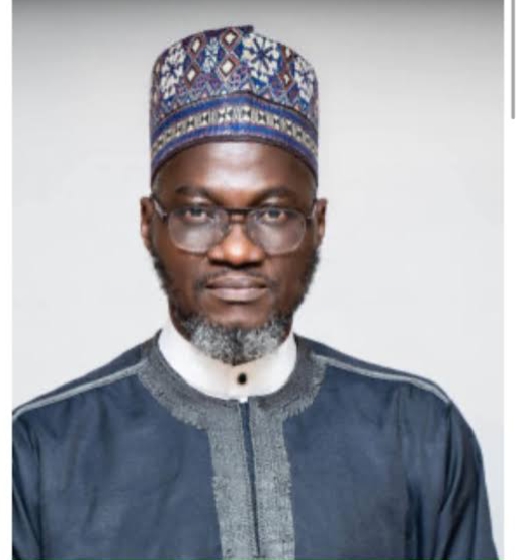
Renowned Islamic finance expert and Central Bank of Nigeria (CBN) consultant, Professor Abdurrazaq Alaro, has applauded the Federal Government’s launch of the Nigeria National Halal Economy Strategy, describing it as a timely and strategic move for a country aiming to attract foreign investments and diversify its economy.
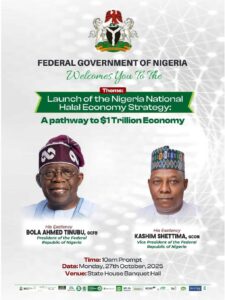
Themed “A Pathway to a1 Trillion Economy,” the national strategy is set to be officially unveiled today, Monday, October 27, 2025, at the State House Banquet Hall, Abuja, by President Bola Ahmed Tinubu and Vice President Kashim Shettima.
The event will begin at 10:00 am, with top government officials, regulatory agencies, Halal industry stakeholders, including the Halal Certification Authority (HCA) and development partners in attendance. Watch live HERE
Speaking exclusively to Muslim News ahead of the event, Prof. Alaro noted that the global Halal market presents immense opportunities for Nigeria.
“The Halal market is huge. Food and beverages alone account for about $1 trillion globally. The finance component is even larger; it is about $3 trillion. Tapping into this space could help position Nigeria as a major player in both the African and global markets,” he said.
Dispels misconceptions around Halal economic initiatives
Sheikh Alaro, a Professor of Law at the University of Ilorin, also addressed long-standing misconceptions surrounding Islamic economic initiatives in Nigeria, asserting that the adoption of halal-compliant systems does not amount to imposition of religion.
Responding to concerns from some quarters who often raise objections when the Nigerian government adopts Islamic-compliant financial instruments such as sukuk bonds, Islamic banking, or engages with institutions like the Islamic Development Bank (IsDB), Prof. Alaro said:
“We need to clear this misconception. Each time Nigeria explores economic or business opportunities with links to Islam, some people claim it’s an attempt to impose religion. This is simply not true and has been proven wrong many times,” he stated in an interview with Muslim News on Sunday.
He recalled how similar criticisms trailed Nigeria’s decision to join the Islamic Development Bank (IsDB), yet today, the country enjoys numerous benefits from the partnership at both state and individual levels without controversies.
“Likewise, when Jaiz Bank was licensed as Nigeria’s first Islamic bank, it faced intense opposition. But today, many of those who criticised it are among its beneficiaries,” he said.
Prof. Alaro noted that a significant number of former critics are now either customers or staff of Islamic financial institutions. “In fact, if you visit some Jaiz Bank branches, you’ll find that nearly 50% of the workforce are Christians or non-Muslims. So, where is the noise today?”
He urged Nigerians to see Islamic finance as a credible, ethical alternative based on transparency, risk-sharing, and inclusivity that is open to everyone, regardless of religion or background.
Nigeria needs Halal market more than it needs us
Renowned Islamic finance expert emphasised that Nigeria stands to gain significantly from tapping into the global halal market: a sector he says the country needs more than it realises.
He described Nigeria’s current status in the global halal market as deeply unfortunate, noting that despite having over 100 million Muslims, the country remains absent from the list of the top 20 exporters of halal products worldwide.
According to him, “If Nigeria is embracing the halal market, we should ask an honest question: who needs the other? Any right-thinking person who understands business and economics will admit that it is Nigeria that needs the halal market and not the halal market needing Nigeria.”
He cited all non-Muslim majority countries such as Brazil, India, Russia, and the United States as major players in halal products, while lamenting Nigeria’s absence despite its natural advantage.
“Even South Africa, with just about 5% Muslim population, is producing and exporting more halal products than Nigeria,” Prof. Alaro noted, adding, “This is a missed opportunity that must be urgently addressed if Nigeria is serious about diversifying its economy.”
Calls for National participation in global Halal market
The respected Islamic finance expert therefore called on Nigerians, particularly Muslims to take full advantage of the expanding global halal economy, stressing that the benefits of halal initiatives are inclusive and open to all citizens regardless of religion.
“When any country adopts an economic system, it does so for all its people, not a specific group,” he noted, adding, “We must stop waiting for opportunities to be handed to us. Let’s rise up, compete, and claim our share in this growing global market.”
Prof. Alaro emphasised that Muslims, as primary consumers of halal products, should also be at the forefront of production and distribution. “If we consume halal, then we should also be leading in producing and marketing halal products,” he said.
He urged the Nigerian government to prioritise halal as a viable economic sector that can boost exports and revenue. “The focus should not just be on what we consume locally, but on what we can produce and export. The halal economy presents Nigeria with a real chance to lead the African market,” he concluded.
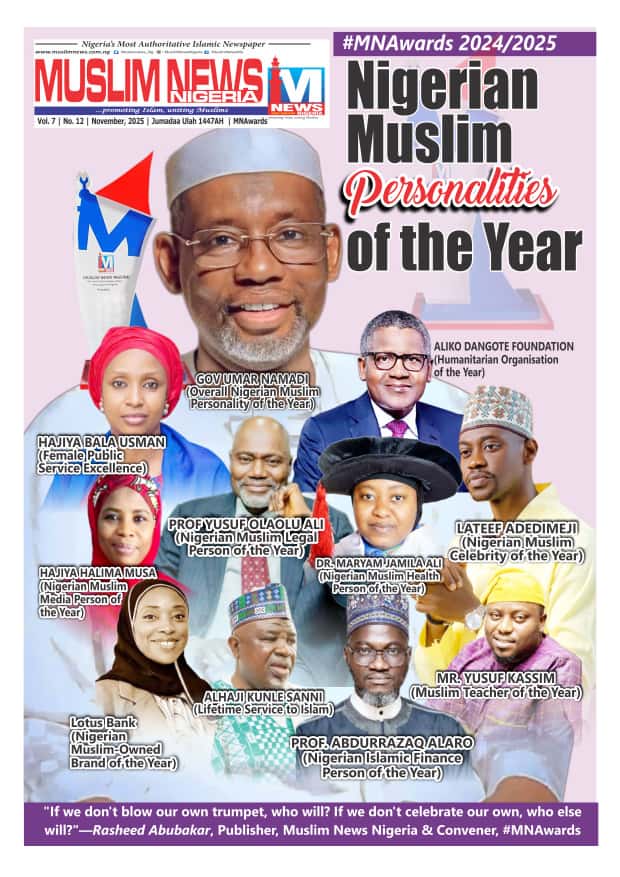
Nigerian Muslim Personalities of the Year 2024/2025
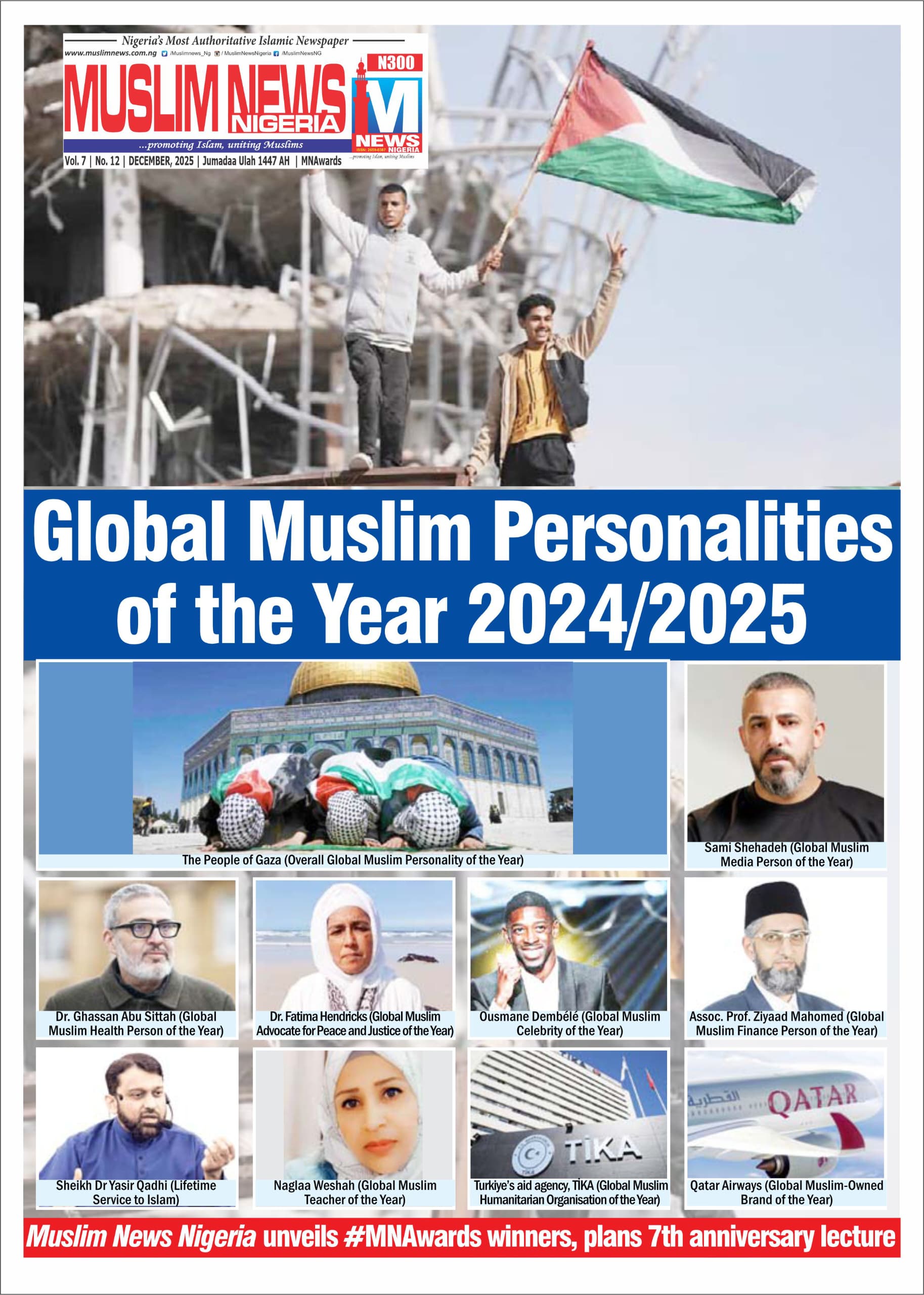
Global Muslim Personalities of the Year 2024/2025



Sponsored