
Incidents of religious intolerance have cast a shadow over Christmas celebrations in parts of India and the occupied Palestinian territories, drawing global concern over rising religious discrimination.
– Hindu nationalist mobs disrupt celebrations, vandalise decor in several Indian states
– Israeli occupation forces raid the Christmas party in Heifa, arrest Palestinian Santa
– Global outrage as rights groups warn of deepening religious discrimination
In India, Hindu nationalist groups reportedly vandalised Christmas decorations while chanting nationalist slogans at a shopping mall in Raipur, Chhattisgarh, on December 24.
Similar attacks were reported across multiple states, including Madhya Pradesh, Uttar Pradesh, and Kerala.
Incidents ranged from disruptions of carol singing and church gatherings to harassment of Christian worshippers and vendors.
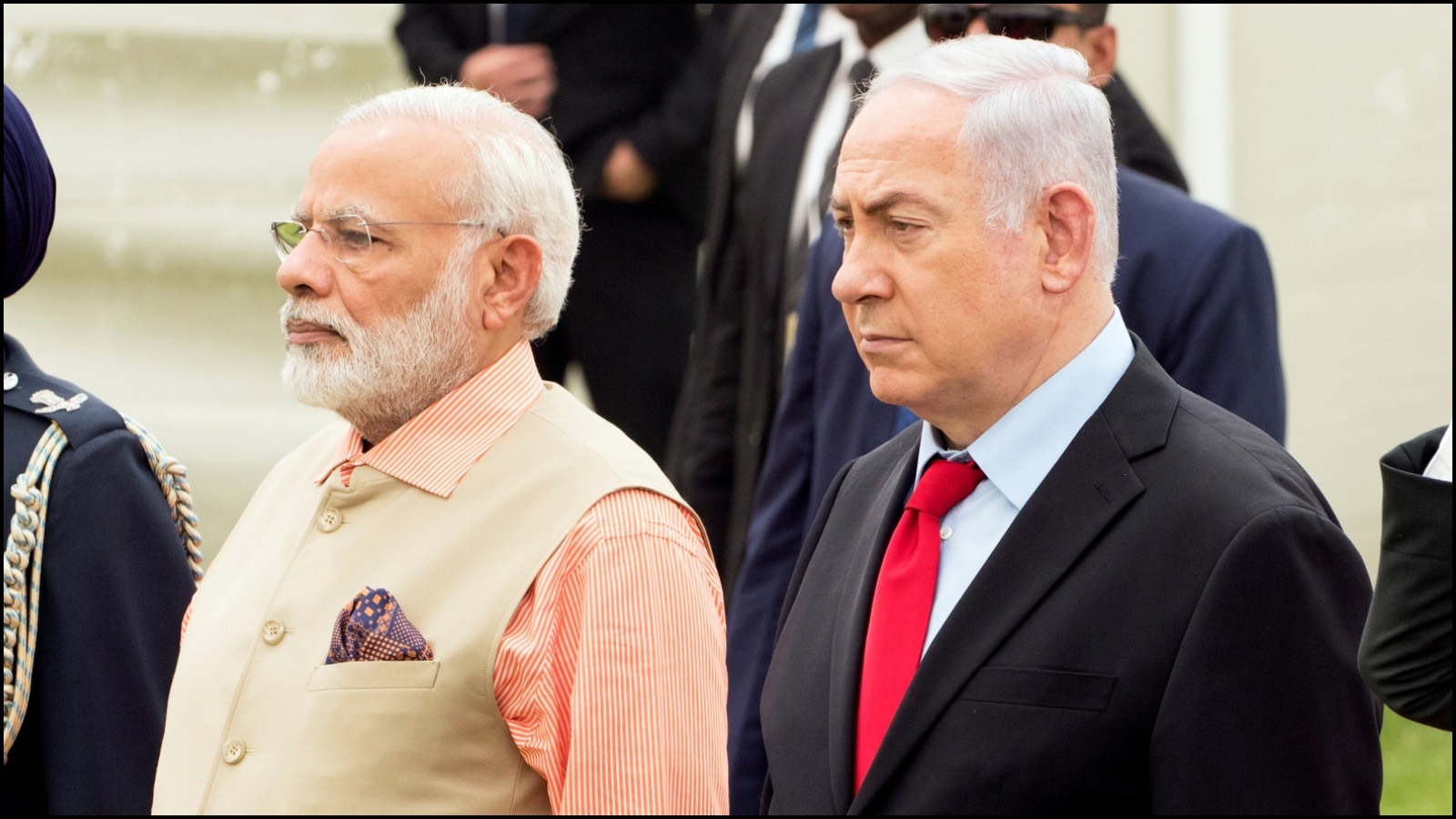
Many of the attacks have been linked to right-wing groups affiliated with the Rashtriya Swayamsevak Sangh (RSS), an ideological parent of the ruling BJP.
Though churches were filled and festive messages shared, for many Christians in India, the atmosphere has been one of fear and tension.
Religious leaders have urged authorities to safeguard constitutional rights and take stronger action against those spreading hate and violence. 
In India, Christmas is marked by reports of Sangh-linked organisations attacking Christians
Madhya Pradesh’s Jabalpur alone witnessed two attacks against Christian prayer meetings, on December 20 and 22. In the first instance, BJP’s district vice president Anju Bhargawa assaulted a visually impaired woman in the presence of onlookers including children.
IN ISRAEL
Meanwhile, in Israel, police reportedly raided a Christmas party in Haifa and arrested a Palestinian man dressed as Santa Claus.
The move sparked widespread criticism, particularly in the context of declining Christian presence in Palestinian territories.
Once comprising 12 percent of the population in historic Palestine, Christians now account for just about 1 percent—less than 50,000 people—due to decades of occupation, economic hardship, and forced displacement.
The majority reside in the West Bank and East Jerusalem, with only around 1,000 Christians remaining in Gaza before the recent war.
* Bethlehem governorate (22,000–25,000): This is the largest concentration, centred in Bethlehem and the surrounding towns of Beit Jala and Beit Sahour.
* Ramallah and el-Bireh (10,000): A major administrative and economic hub, including nearby historic villages like Taybeh, Birzeit, and Jifna.
* East Jerusalem (8,000–10,000): Primarily located in the Christian Quarter of the Old City and neighbourhoods like Beit Hanina.
Like the rest of the Palestinian population, Palestinian Christians are subjected to Israeli military control, settler violence, and a legal system that discriminates against them
Israeli attacks against Christians and churches
Across Palestine, Christian communities and their churches have faced numerous attacks by Israeli forces and members of the Israeli public.
The Religious Freedom Data Center (RFDC) has been monitoring violence against Christians through an incident hotline operated by volunteers and activists.
Between January 2024 and September 2025, the group documented at least 201 incidents of violence against Christians, primarily committed by Orthodox Jews targeting international clergy or individuals displaying Christian symbols.
These incidents include multiple forms of harassment, including spitting, verbal abuse, vandalism, assaults and more.
The majority (137) of these incidents took place in Jerusalem’s Old City, located in occupied East Jerusalem.
The incidents in both India and Israel highlight the growing pressure on minority communities and raise urgent questions about religious freedom and equal protection under the law. 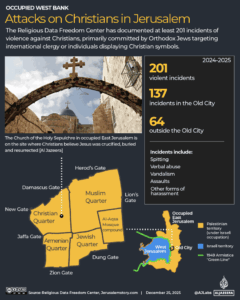
Nigerian Muslim Personalities of the Year 2024/2025

Global Muslim Personalities of the Year 2024/2025




Sponsored