
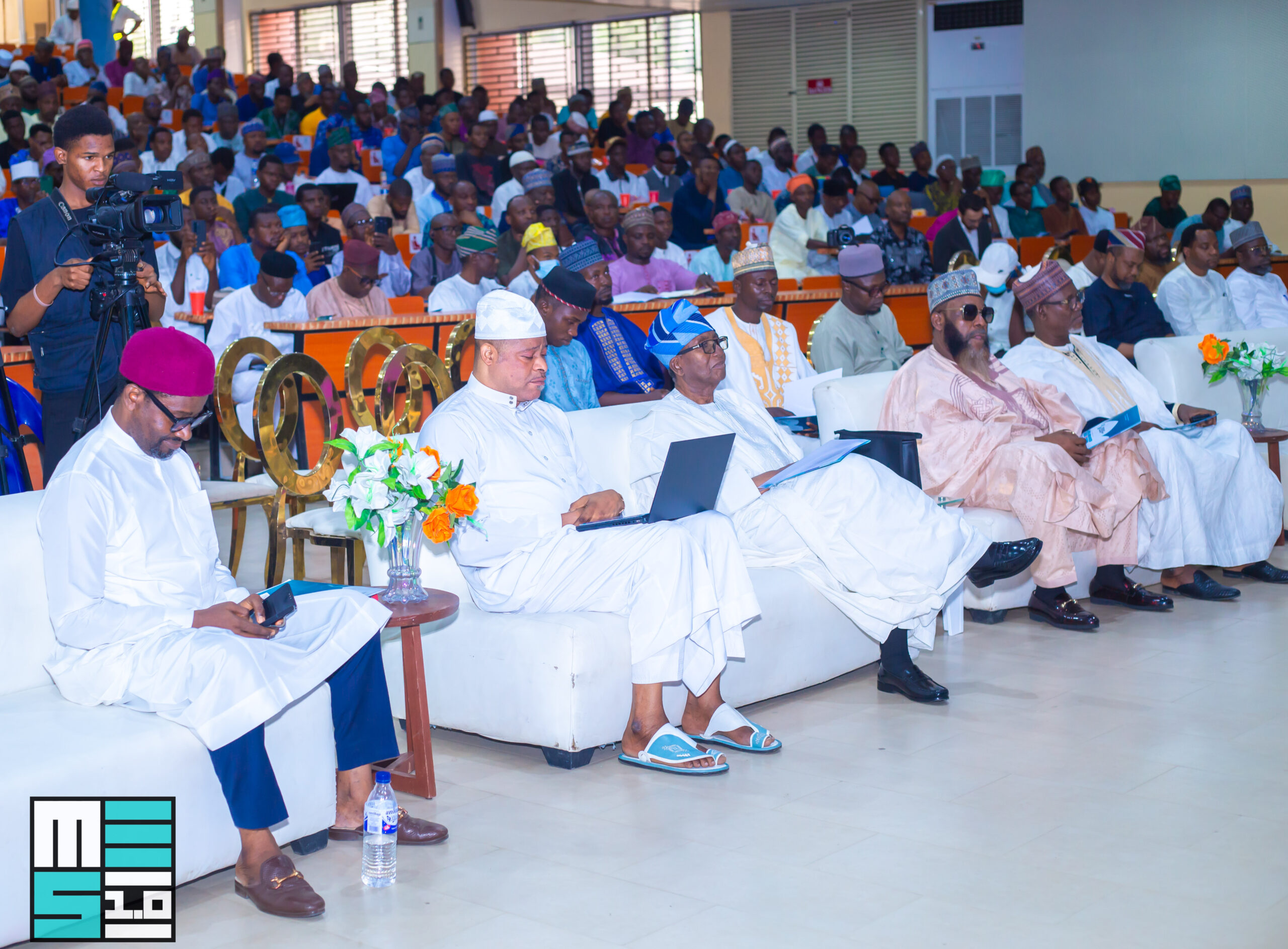
At the heart of Lagos, the Muslim Economic Summit (MES 1.0) gathered a vibrant mix of youth, women, entrepreneurs, and policymakers to explore how faith, ethics, and finance can shape Nigeria’s future, Sumayyah Adelopo reports…
* Failure to champion ethical finance could cost opportunities; Prof. Yusuf
* Faith must drive economic inclusion, says Lagos Adviser
A Professor of Risk Management and Insurance at the University of Lagos, Tajudeen Yusuf, has called on Muslims to take leadership in Islamic finance and the halal economy, warning that failure to do so could result in lost opportunities and diminished influence.
Prof. Yusuf made the call on Saturday during his keynote address at the Muslim Economic Summit (MES 1.0), organised by the Muassassat Nasrul Ilm Wa Da’awat Foundation, held at the Nurudeen Alao Auditorium.
The summit carried the theme: “Faith, Finance and the Future: Empowering Youth.”
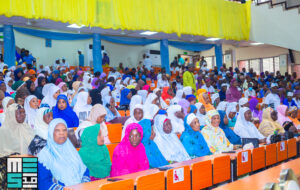
Under the chairmanship of MUSWEN President, Alhaji Rasaki Oladejo, the event brought together youths, women, entrepreneurs, policymakers, and industry leaders. Discussions centered on how ethical economic frameworks rooted in Islamic principles can drive job creation, enhance competitiveness, and strengthen long-term national resilience.
Prof. Yusuf emphasized the importance of faith-driven, ethical economic engagement.
He said Islam is a religion of knowledge, strength, and clarity, adding that when something is halal, it is wholesome, responsible, and ethical.
’Islamic finance, key pillar of Nigeria’s halal economy’
Also speaking, a Professor of Accounting at Ahmadu Bello University, Zaria, Ahmad Bello Dogarawa, highlighted Islamic finance as one of the strongest pillars of Nigeria’s expanding halal economy.
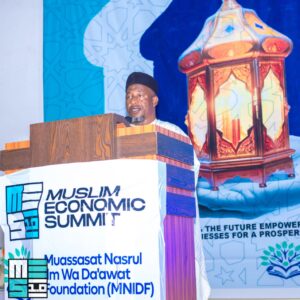
He outlined six core sectors driving the halal economy, including halal food and beverages, Islamic finance, modest fashion, halal pharmaceuticals, halal cosmetics, and Muslim-friendly travel and tourism.
Prof. Dogarawa pointed to the growing presence of non-interest banks, takaful operators, ethical funds, and oversubscribed Sukuk issuances by federal and state governments as evidence of the sector’s strength and potential.
Anchored in Sharia principles, the varsity don emphasized that economic activities must be lawful, ethical, and socially responsible, aligning with the objectives of preserving life, wealth, and human dignity.
He further noted that the global halal economy is a multi-trillion-dollar market attracting both Muslim-majority and non-Muslim countries, stressing that halal-based models are inclusive and development-oriented rather than exclusive.
Nigeria must lead in Islamic finance and evidence-based economic participation: Dr. Yusuf
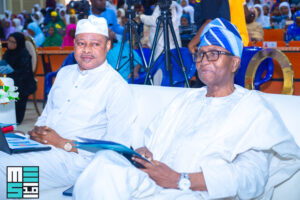
Former President of Nasrul–Lahi–L–Fatih Society, NASFAT, Dr. Olaniyi Yusuf, in his paper presentation, advocated action-oriented economic engagement.
Represented by Dr. Shakirudeen Taiwo, Team Lead of Research and Policy Analysis at the Nigerian Economic Summit Group (NESG), the economist urged stakeholders to go beyond passive reliance on goodwill and engage in deliberate, evidence-based participation in national development.
Tracing the evolution of Islamic finance over the past five decades, he stressed that the system is neither new nor abstract but a practical, asset-backed approach designed to expand access to finance and reduce inequality.
Nigeria and Africa, Dr. Olaniyi argued, represent the next global frontier, with Nigeria positioned as a critical testing ground whose success could accelerate adoption across the continent.
The paper highlighted Nigeria’s macroeconomic constraints, including high inflation, a reported investment gap exceeding $100 billion and the limits of conventional banking in funding long-term infrastructure.
“Islamic finance was presented as a viable alternative, encompassing non-interest banking, capital markets, infrastructure finance and sustainable finance,” he noted.
Citing examples such as Sukuk-funded road projects, MSME financing, agricultural value chains and digital financial services, Dr. Adeniyi showed how asset-backed financing can deliver measurable social and economic outcomes.
He concluded with a call for policymakers, investors and financial institutions to support ethical, digitally driven financial models that prioritise shared prosperity.
Faith must drive economic inclusion, says Lagos Adviser
Also speaking at the summit, Dr. Abdullah Ahmad Jebe, Special Adviser to the Governor of Lagos State on Religious Affairs, described the event as a timely intervention that links faith with economic inclusion.
He praised the organisers for introducing an annual platform that brings together youths, women, entrepreneurs, and policymakers to promote job creation, innovation, and competitiveness.
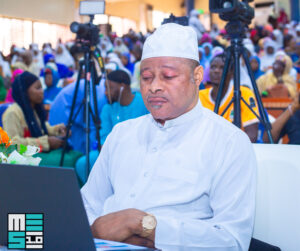
“The turnout of young people before and during the summit shows a clear demand for empowerment,” Dr. Jebe said, adding, “The future of work depends on deliberate investments in people and productive enterprises.”
He added that initiatives such as economic vouchers and innovation support channels demonstrate a practical commitment to empowerment with immediate results.
Faith, Dr. Jebe emphasized, should not hinder enterprise but serve as a framework that promotes ethical business practices and equitable participation in the economy.
Lagos Chief Imam urges greater Muslim participation in ethical finance
The spiritual father of the day, Chief Imam of Lagos, Sheikh Sulaiman Oluwatoyin Abou‑Nolla, described the summit as a necessary initiative for strengthening the economic standing of the Muslim Ummah.
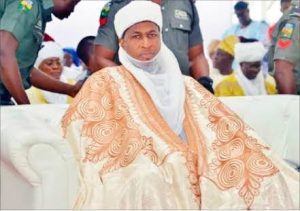
He said Islam encourages proactive engagement with opportunities and urged greater participation in ethical instruments such as Sukuk.
“The summit allows us to examine where Muslims stand in finance, banking and investment,” he said, calling for better organisation and deployment of resources currently held idle for mosque administration and community welfare.
Earlier, in his welcome address, the Convener and National President of the Foundation, Alhaji Ibraheem Adigun said the summit was designed to serve as a catalyst for national competitiveness and innovation.
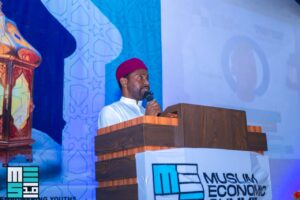
Highlighting the strong pre-event engagement of thousands of young people, Alhaji Adigun described the summit as “a convergence of ideas that translate into jobs, exports, innovation, and economic resilience.”
He added that the future of work and livelihoods must be deliberately shaped through participation, skills development, and capacity building.
Alhaji Adigun also announced the launch of several economic empowerment initiatives, including large-scale economic vouchers to strengthen retail enterprises and innovation support channels to accelerate high-performance businesses.
He stressed that the summit’s legacy would include sustained interventions in finance, training, sponsorship, and social welfare.
“Sustainable national development rests on balancing empowerment with human dignity,” he said, calling for stronger support for youths, the upliftment of women, and greater backing for entrepreneurs.
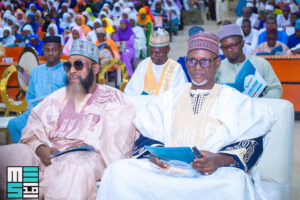
He urged partners, speakers, and funders to maintain momentum, describing the summit as a bridge between current economic challenges and an ethical, globally relevant future.
The Muslim Economic Summit concluded with optimism, highlighting that faith-driven finance, ethical practices, and strategic empowerment are essential for Nigeria’s growth.
The event emphasized that aligning values, ethics, and vision can unlock untapped potential, promote sustainable development, and create shared prosperity for the Muslim community and the nation.
Nigerian Muslim Personalities of the Year 2024/2025
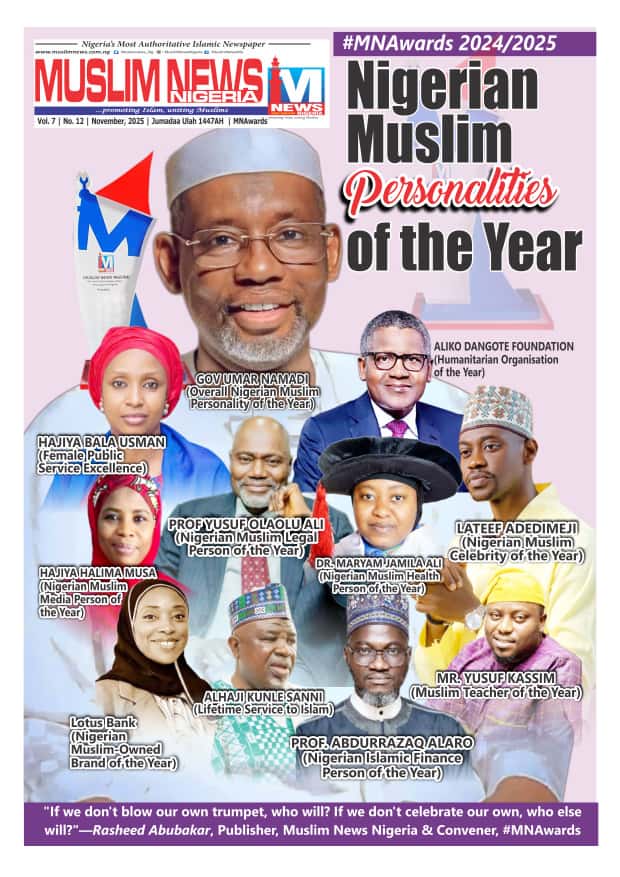
Global Muslim Personalities of the Year 2024/2025




Sponsored