
* Gathering spotlights family responsibility, mentorship, impact
Judge of the Shari’ah Court of Appeal, Ilorin, Kwara State, Justice AbdurRaheem Ahmad Sayi, has called on Muslim men to make their homes safe and nurturing spaces for women, stressing that a man’s accountability before Allah is closely tied to how he treats his wife and family.
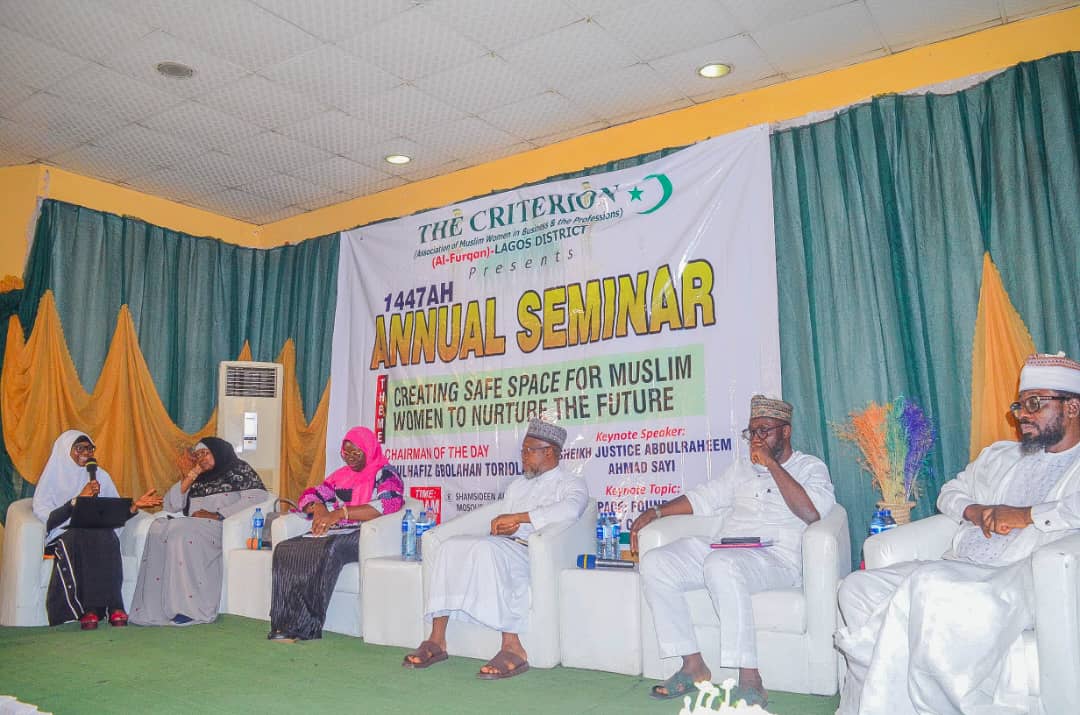
Justice Sayi made this call while delivering the keynote address at the 1447 AH Annual Seminar of The Criterion, an Association of Muslim Women in Business and the Professions, held on Sunday, January 25, at the Samsi Adisa Thomas Mosque Hall, Ikeja, Lagos.
Muslim News gathered that the seminar, themed “Creating a Safe Space for Muslim Women to Nurture the Future,” was chaired by Dr. AbdulAfeez Gbolahan Toriola, Permanent Secretary, Lagos State Ministry of Housing, and Chairman of the Lagos Secretariat Muslim Community.
Safe homes as an act of worship
Justice Sayi explained that acts of worship (ibaadaat) in Islam go beyond prescribed prayers, whether obligatory or supererogatory, adding that supporting women to effectively carry out their roles as wives and mothers attracts great reward from Allah.
He said, “Allah SWT and His Prophet have clearly described rewarding acts of worship. If this is well understood, one will know that ibaadaat is not limited to bowing and prostration. You can earn immense reward and eternal bliss by putting women in a better position to perform their wifely and motherly roles.”
The learned judge noted that Islam places responsibility on men to provide, protect and cater for their wives, warning against exposing women to hardship through neglect.
“Whoever exposes his vulnerable wife to the harshness of the outside world due to negligence will not attain Paradise,” he said, adding that a man’s treatment of his wife could determine his admission into Jannah.
Justice Sayi urged men to fear Allah in their homes, stressing that piety manifests in how responsibilities are discharged within the family.
“Make your homes habitable for your wife. Let her have a feel of what Jannah will probably look like right from your home,” he concluded.
The programme featured free medical screenings conducted by the FAJIM Medicare Foundation team led by its founder, Prof. Fatimah Abdulkareem, which ran throughout the event, providing participants with access to basic health checks and consultations within the venue.
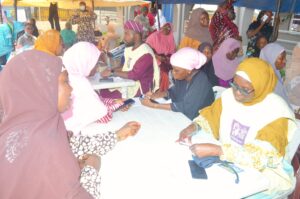
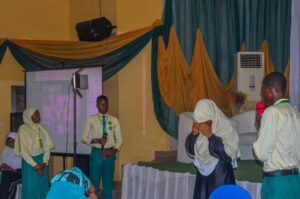
Pupils of First Criterion College, Igbogbo, Ikorodu, also entertained participants with a drama presentation that creatively reflected the seminar’s theme, while a panel session further examined the topic from legal, medical, educational and leadership perspectives.
Empowerment key to women’s growth and impact: Hajia Mutiat Hassan
The Chief Executive Officer of Distinct International Properties Limited, Hajia Mutiat Olasumbo Hassan, said empowerment is key to women’s ability to thrive as professionals and mothers.
“You can’t give what you don’t have,” she said, adding that platforms like The Criterion bring together women with shared values to grow influence and impact.
She noted that when women are empowered, they are better equipped to navigate challenges and contribute meaningfully to society and the Ummah.
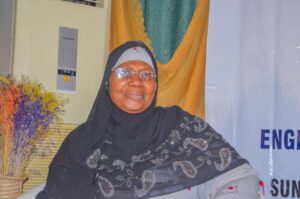
Hajia Hassan drew lessons from Islamic history, citing how the Prophet Muhammad (PBUH) created safe spaces for women by listening to them and addressing their concerns. Reference was also made to the incident during the caliphate of Umar (R.A.), where a woman corrected him publicly on the issue of mahr, and he acknowledged her correctness.
Hajia Hassan, an entrepreneur with over three decades of experience in real estate development and project management, urged leaders and mentors to intentionally set the tone for safety by welcoming all contributions, practising active listening, and upholding strict confidentiality.
She called for the normalisation of differing opinions, noting that diversity of perspectives strengthens outcomes when handled respectfully.
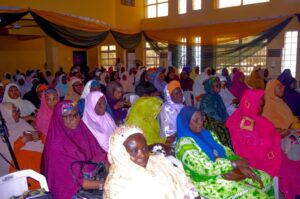
According to her, constructive dialogue and mentorship are essential tools for transferring knowledge, offering practical solutions, and improving collective wellbei
Dr Ogunmuyiwa calls for safe intellectual, social spaces to empower Muslim women
The Director-General of the Office of Education Quality Assurance in Lagos, Dr. Sulaimon Ogunmuyiwa Sulaimon emphasized the need for intellectual, social and cultural safe spaces for Muslim women.
With 28 years of experience in the Lagos State Civil Service, Dr. Ogunmuyiwa said women must adopt a positive mindset and intentionally create opportunities for growth.
“If we continue to see ourselves as second-class, nobody will create a space for us,” he said, noting that nothing should hinder women from excelling intellectually or socially.
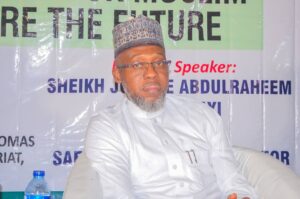
He advocated collaboration through exchange programmes, online platforms and shared experiences, while also addressing cultural misconceptions that limit women’s roles.
Speaking on marriage, Dr Ogunmuyiwa, a certified guidance counselor, renowned marriage counselor, and relationship expert, noted that women have agency in decision-making and should be empowered to make informed choices.
Safe spaces for women must start with the girl child: Dr. Kabirat Kilanse-Oni
Consultant psychiatrist at the Federal Neuropsychiatric Hospital, Yaba, Dr. Kabirat Kilanse-Oni, said creating safe spaces for women must begin with the girl child, noting that young girls naturally look up to those ahead of them as role models.
She explained that safe spaces go beyond physical structures and should be environments of commitment, trust and shared learning.
“When I talk about a safe space, it is not just about a physical place. It is a ground for commitment where people from different spheres come together to share, learn and build relationships,” she said.
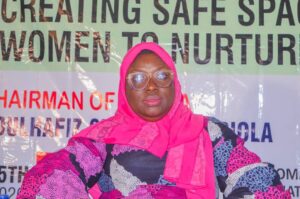
Dr. Kilanse-Oni also highlighted cultural barriers that undermine women’s self-esteem, recalling how many women grew up hearing phrases like “you are supposed to be seen and not heard.”
She stressed that empowerment and mentorship provide young girls with role models and problem-solving platforms where they can express themselves without fear of judgment.
Leadership Is a trust from Allah, begins with inclusive homes: Dr. Toriola
Chairman of the occasion, Dr. AbdulAfeez Gbolahan Toriola, described leadership as a trust from Allah that requires vision, accountability and service to the community.
“What separates a leader from a follower is vision,” he said, adding that leadership must begin at home by creating inclusive spaces where women are engaged and valued.
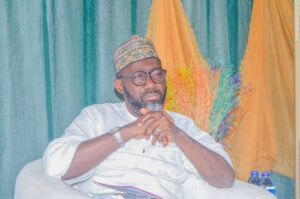
He challenged participants to actively advise leaders and contribute to community development, noting that Islam recognises shared responsibility in guiding leadership.
Seminar theme reflects Islamic values, contemporary realities: Ameerah
Earlier in her welcome address, the Ameerah of The Criterion, Lagos State Chapter, Hajia Maryam Morenike Saba, said the seminar theme reflects both Islamic teachings and contemporary realities.
Quoting Qur’an 30:21, she noted that tranquillity, mercy and compassion form the foundation of safe spaces, beginning in the home and extending to workplaces and communities.
She said the seminar was designed to inspire reflection and action, featuring a keynote address, panel discussions and practical strategies for building safe spaces.
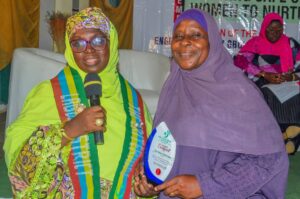
Hajia Saba concluded by urging participants to translate the lessons from the seminar into their homes, institutions and communities, to ensure women are empowered to nurture future generations in safety, dignity and faith.
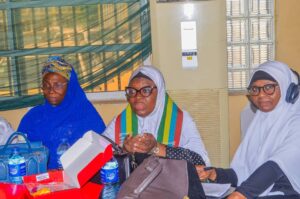
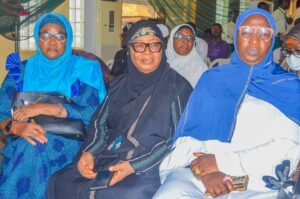
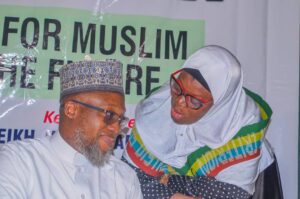
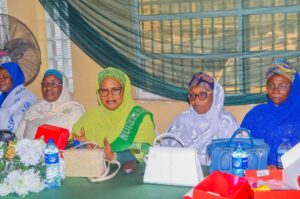
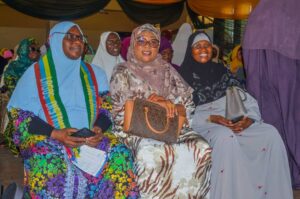
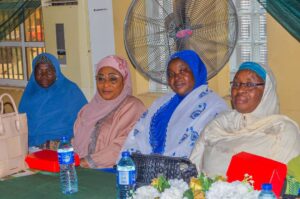
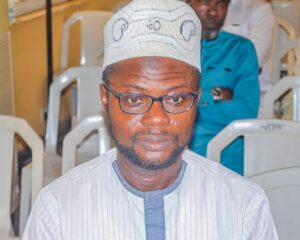
Pix: Beautiful faces at the event, captured by Rasheed Abubakar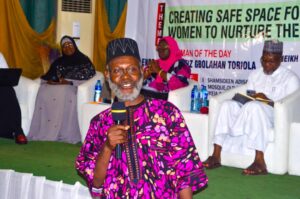
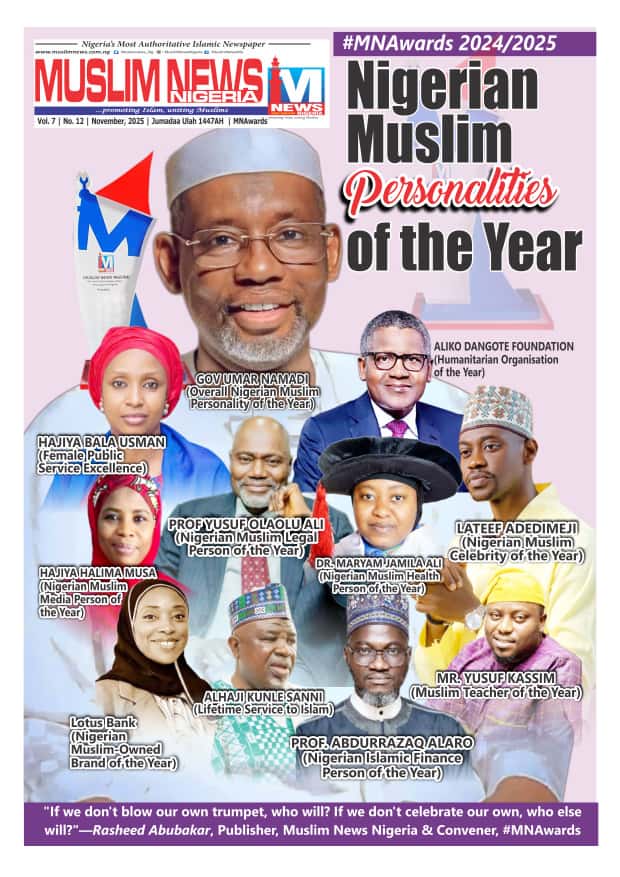
Nigerian Muslim Personalities of the Year 2024/2025
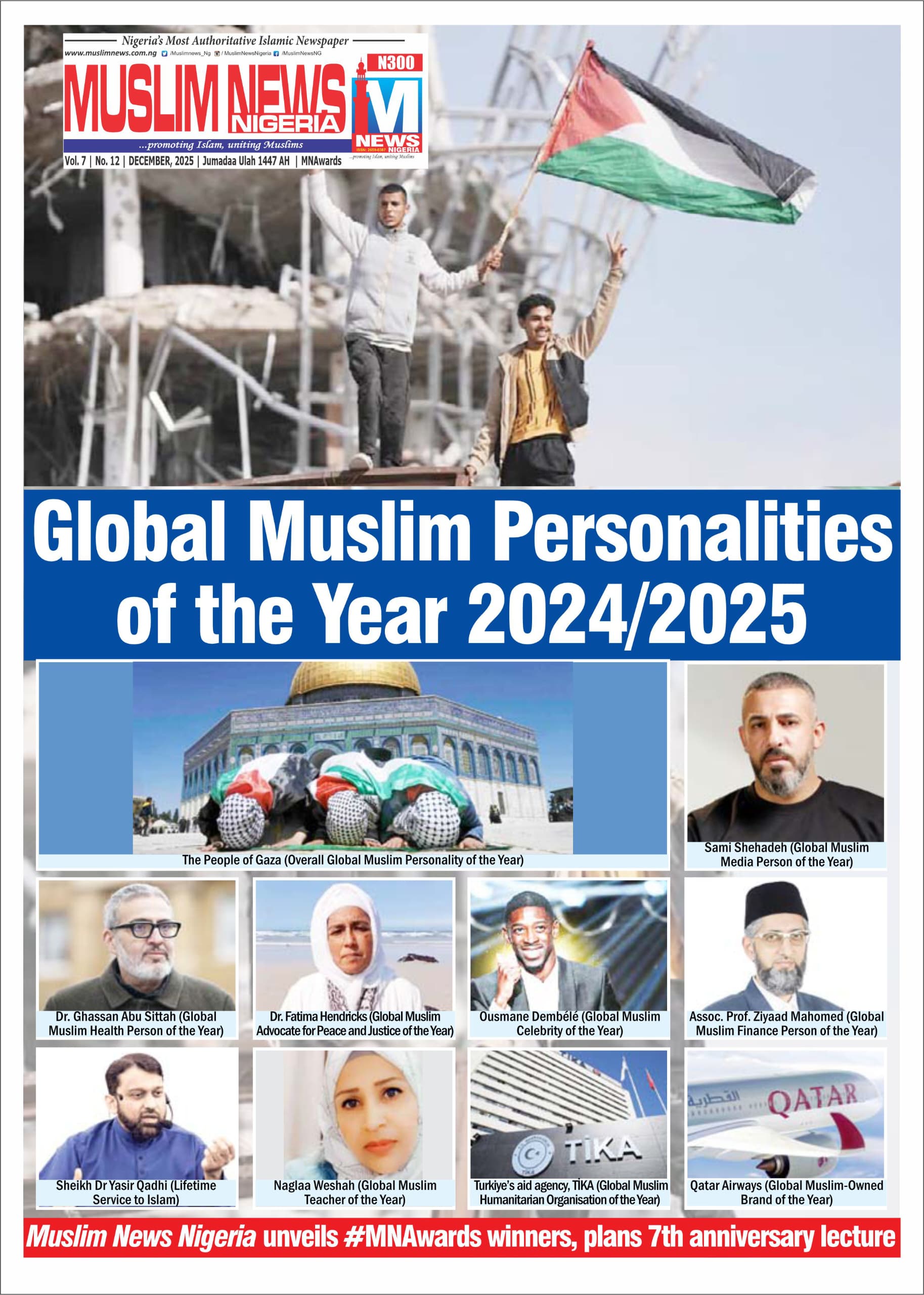
Global Muslim Personalities of the Year 2024/2025



Sponsored