
* Muslim unity superior to personal, regional interests: Grand Mufti declares
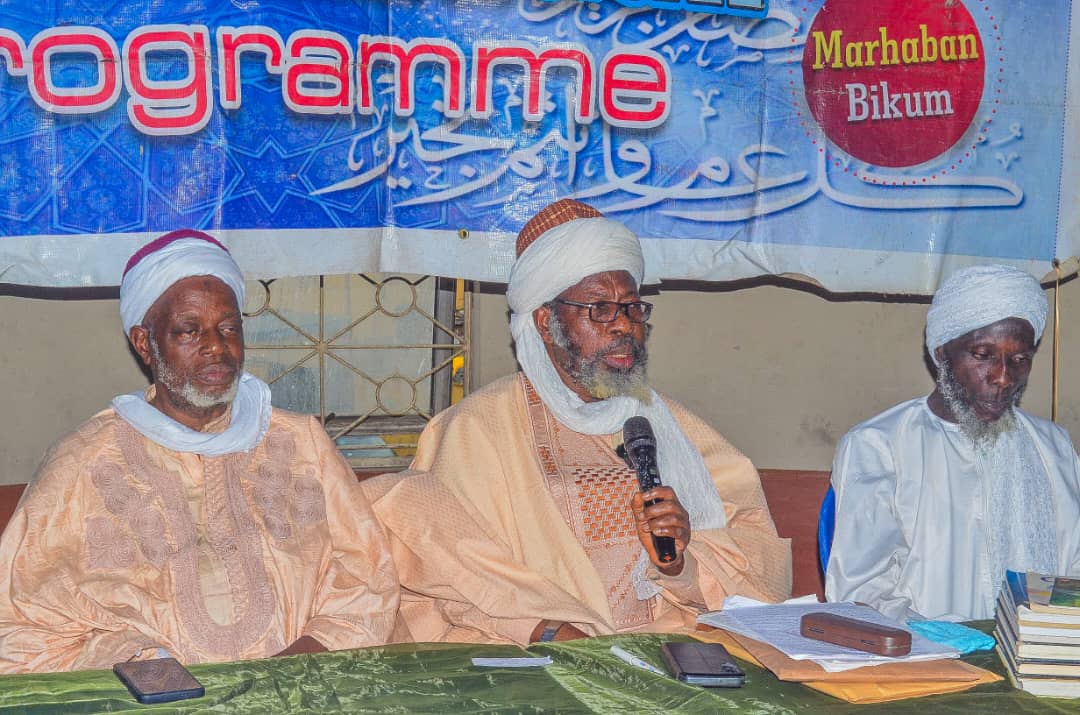
The Grand Mufti of the Conference of Islamic Organisations (CIO), Sheikh Dhikrullah Shafi’i, has emphasized that no individual has the authority to declare the start of Ramadan independently, cautioning against actions that undermine established Muslim leadership.
Sheikh Shafi’i made the statement while speaking at a pre-Ramadan seminar organized by CIO on Tuesday at Beleke Smith Memorial Mosque, Surulere, Lagos.
The event, themed “Ramadan: Mercy to Mankind,” drew representatives of various Muslim organizations and scholars, including Ustadh AbdulRasheed Sulaiman, Principal of Ma’hadu Dawatus-Salam; Sheikh Isa Siddiq, Director of the same institution; Sheikh Haka Zalika; Alhaji Abdullah Afolabi; Sheikh Miqdad Daud; Imam Eyiowuawi, Chief Imam of Obanikoro Central Mosque, Kosofe; and Sheikh Murthadoh Salaudeen. 
Sheikh Shafi’i reiterated that the CIO aligns fully with the leadership of the Sultan of Sokoto, Alhaji Muhammad Sa’ad Abubakar III, as the President-General of the Nigeria Supreme Council for Islamic Affairs (NSCIA).
“We await the Sultan’s announcement, in line with the directive of the Chief Imam of Lagos State, Engr. Sulaiman Abou-Nolla, and similar guidance from the Chief Imam of Oyo State,” Sheikh Shafi’i said.
Citing precedents from Islamic tradition, the Grand Mufti stressed that individuals cannot commence Ramadan based on personal moon sighting.
According to him, Leaders in Islam, whether called ameer, waali, or qaadi, are vested with the authority to direct the start of fasting. Muslims must report moon sightings to these leaders, who have the exclusive right to approve them. Historical accounts show that even companions like Abdullah ibn Umar and Abdullah ibn Abbas reported sightings to the Prophet Muhammad (SAW) instead of taking independent action.
Highlighting global practices, Sheikh Shafi’i said the authority for Ramadan announcements varies by country, but in Nigeria, it is the Sultan of Sokoto who holds this responsibility.
He warned against attempts by some Southwest Muslims to stir ethnic sentiment and bypass the Sultan’s leadership, stressing that Islam unites Muslims beyond tribal or regional divisions.
“During the Prophet’s time, disputes between the Muhajirun and Ansar were swiftly addressed to prevent segregation. Today, there should be no dichotomy between Northern and Southern Muslims. Personal disagreements must not be politicized under the banner of Islam,” he said.
Sheikh Shafi’i lauded the Sultan of Sokoto for fostering unity among Nigeria’s Muslim communities, noting his efforts to engage Yoruba Muslim leaders, establish a national moon-sighting committee, and invest in accurate moon-sighting instruments across the country, including in Lagos.
He also advised Muslim leaders to act fairly and avoid sycophancy, urging the community to provide constructive guidance when leadership decisions require correction.
* Ramadan is mercy from Allah: Sheikh Isa Siddiq
Earlier in the seminar, Sheikh Isa Siddiq highlighted Ramadan as a mercy from Allah. “Fasting nurtures taqwa (God-consciousness), which ultimately leads to Paradise,” he said, quoting Qur’an 2:183: “O you who have believed, decreed upon you is fasting as it was decreed upon those before you that you may become righteous.”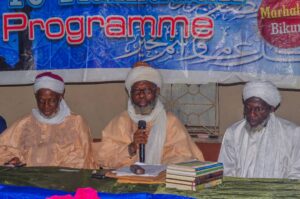
Sheikh Siddiq explained that fasting curbs sinful urges, discourages indecent acts, and serves as a shield against evil.
He also stressed the importance of charity during Ramadan, urging Muslims to care for the poor, widows, the sick, and support mosques.
“Ramadan builds character and strengthens the habit of doing good,” he said.
The seminar concluded with a call for unity, obedience to established leadership, and the collective observance of Ramadan according to Islamic tradition.
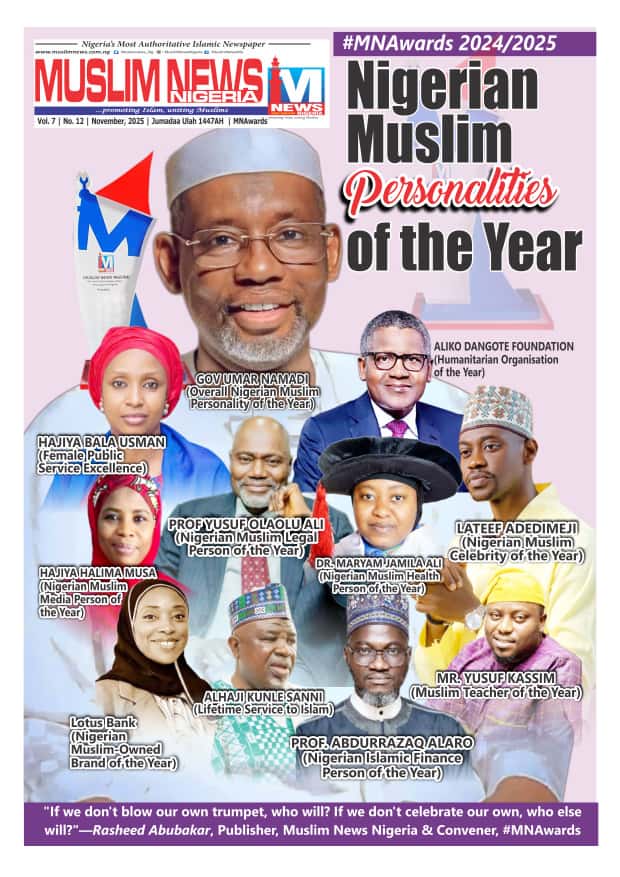
Nigerian Muslim Personalities of the Year 2024/2025
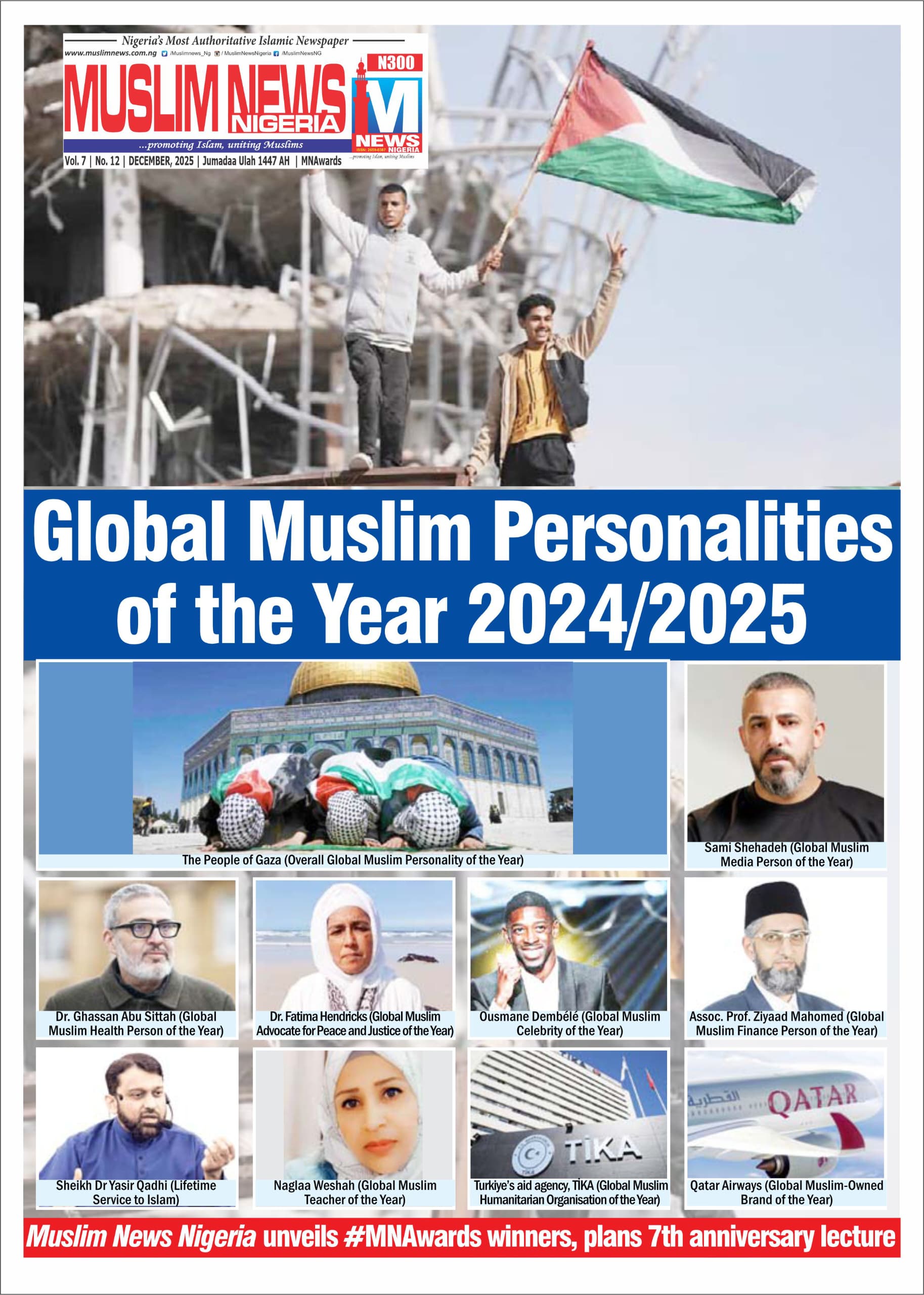
Global Muslim Personalities of the Year 2024/2025



Sponsored