

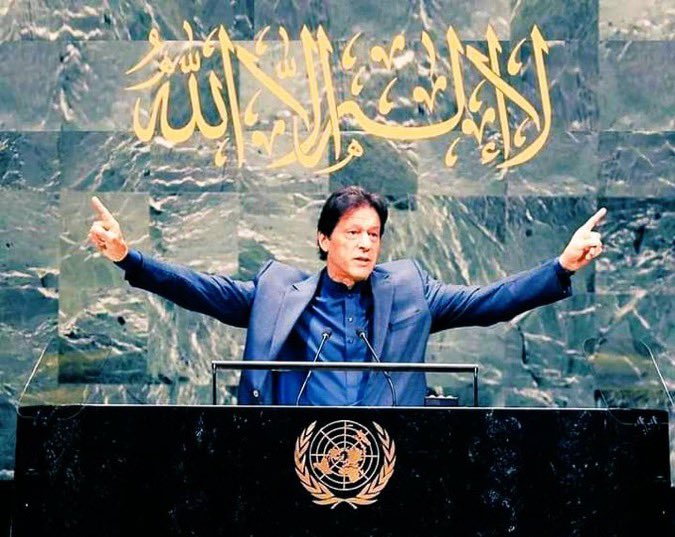
Muslim News Nigeria editorial marking the International Day to Combat Islamophobia highlights the global advocacy of Imran Khan, his role in securing UN recognition of March 15, and the ongoing calls for justice amid his imprisonment.
March 15: On this International Day to Combat Islamophobia, the spotlight is on the struggle against anti-Muslim hatred worldwide, a global advocacy that would be incomplete without acknowledging the leadership of Imran Khan, the former prime minister of Pakistan. Khan’s tireless campaign has elevated the issue of Islamophobia to global prominence, earning him recognition from governments, civil society, and international organisations, including the Organisation of Islamic Cooperation (OIC).
In 2022, Pakistan, under Khan’s stewardship, introduced a proposal to the UN General Assembly on behalf of the OIC. The resolution was unanimously adopted, designating March 15 as the International Day to Combat Islamophobia. This historic decision was hailed as a major step toward confronting discrimination, promoting religious freedom, and encouraging nations to take concrete measures against hate. The day was chosen to commemorate the tragic 2019 Christchurch mosque attacks in New Zealand, which claimed 51 lives and left 89 worshippers injured.
Khan’s advocacy at the United Nations and other international forums brought systemic anti-Muslim bias into global view, highlighting the need for tolerance, unity, and respect for religious freedom. As the leader of Pakistan’s largest political party, Pakistan Tehreek e Insaf (PTI), his efforts reflected a broader commitment to protecting the dignity of Muslim communities worldwide, even as his political fortunes shifted at home.
The commemoration today is bittersweet. Khan was removed from office in April 2022 through a no-confidence vote, and he was succeeded by Shehbaz Sharif, leader of the Pakistan Muslim League–Nawaz. Since his removal, multiple legal cases have been filed against Khan, including allegations of corruption and government document leaks. While the judiciary oversees the proceedings, the Sharif administration has allowed the cases to continue without intervening, a move seen by many PTI supporters as politically motivated. Despite incarceration, Khan remains a central political figure, and his party continues to rally for his release and fair trials
Despite his imprisonment, Khan continues to speak out for international Muslim causes. He has been an outspoken advocate for Palestinian rights, frequently condemning policies he views as oppressive or discriminatory. His ongoing influence is evident in the widespread support he continues to receive from his political base, with mass rallies across Pakistan demanding his release. Reports indicate that hundreds of supporters have been arrested during these demonstrations, underscoring the ongoing political tensions surrounding his detention.
Khan’s removal also sparked international discussion. While Pakistani authorities have denied foreign involvement, leaked diplomatic cables and Khan’s own claims suggest that Western powers may have exerted pressure due to his independent foreign policy stance, particularly his criticism of US policies toward the Muslim world. This controversy remains a defining element of his political legacy.
Among his notable initiatives, Khan advocated for a global Islamic media network in collaboration with leaders such as Recep Tayyip Erdogan of Turkiye and former Mahathir Mohamad of Malaysia, designed to combat Islamophobia. Though the plan never materialised, it reflected his vision of creating platforms for Muslim voices to counter prejudice and promote understanding.
Back home in Nigeria, where Islamophobia remains a persistent concern, Muslim News Nigeria continues to report and advocate against anti-Muslim discrimination, echoing Khan’s call for global awareness and action. His leadership serves as a reminder that combating Islamophobia requires persistent advocacy, international solidarity, and courageous leadership.
Khan’s journey from celebrated cricketer to political leader has been extraordinary. His leadership, global advocacy, and commitment to amplifying Muslim voices on the world stage make him both an admired and controversial figure. Today, as debates continue over his legal status and imprisonment, many human rights observers insist that his trials be conducted fairly, transparently, and in accordance with the rule of law, ensuring that political rivalry does not silence legitimate leadership.
On this International Day to Combat Islamophobia, the Muslim world remembers not only the victims of hatred but also those who fought to bring the issue to global attention. Among these figures stands Imran Khan, whose efforts continue to resonate internationally. As communities reflect on the ongoing struggle against discrimination, the call for justice and fair treatment for Khan remains central, highlighting that the fight against Islamophobia and political injustice are inseparable.
Signed: Rasheed Abubakar, Publisher, Muslim News Nigeria
Sponsored

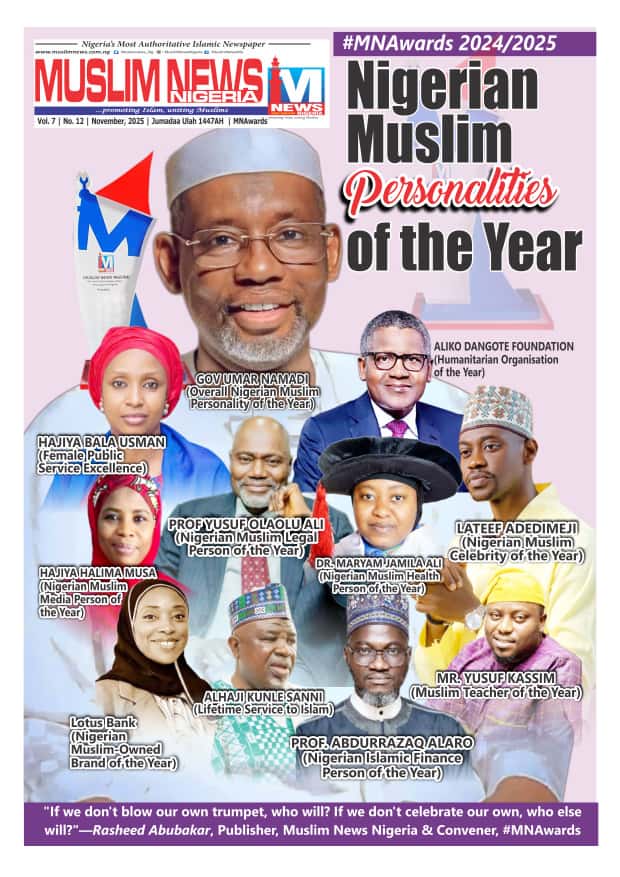
Nigerian Muslim Personalities of the Year 2024/2025
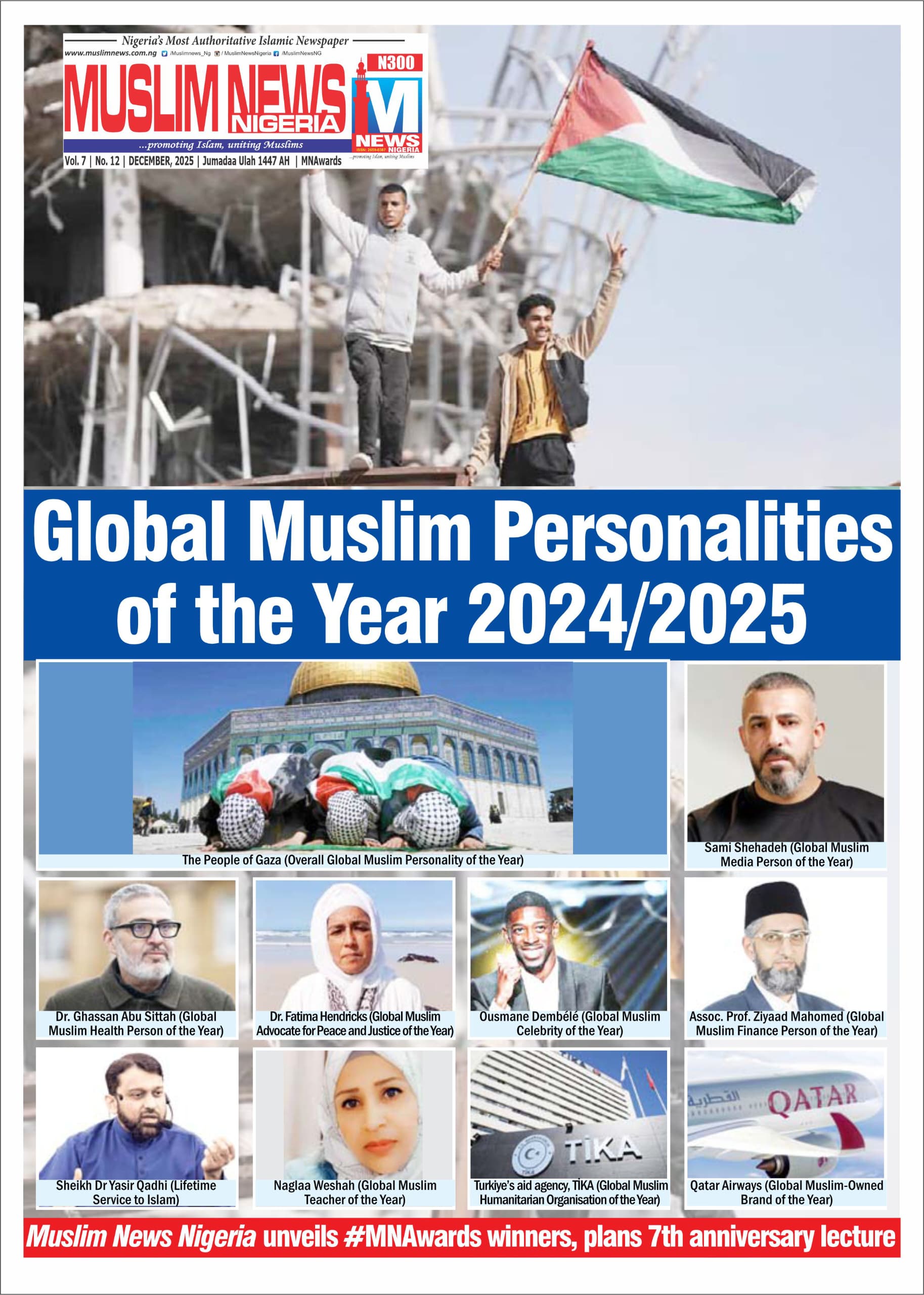
Global Muslim Personalities of the Year 2024/2025



Discover more from Muslim News Nigeria
Subscribe to get the latest posts sent to your email.