

By Mustafa Abubakar
The Amir of The Muslim Congress (TMC), Alhaji Abdul Wasiu Bangbala, has called on governments at all levels to adopt proactive strategies in addressing insecurity and embrace modern technology to enhance governance and national safety.
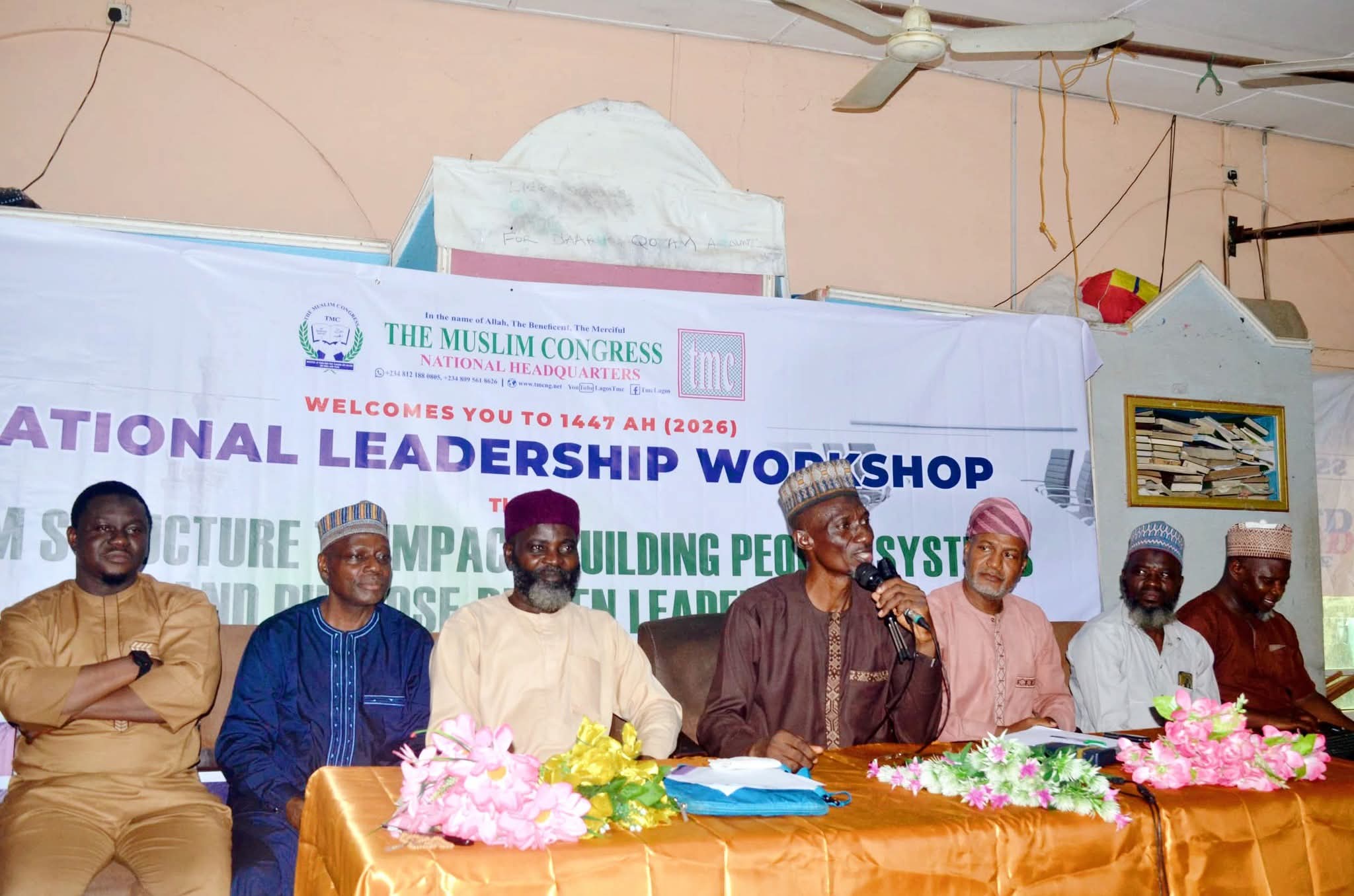
Alhaji Bangbala made the call on Saturday, May 2, at the TMC National Leadership Workshop held at the Dawah Centre, Ijeshatedo, Lagos, with the theme, “From Structure to Impact: Building People, Systems and Purpose-Driven Leadership.”
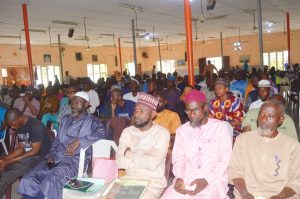
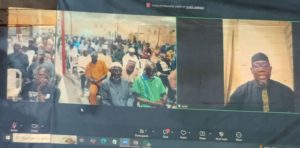
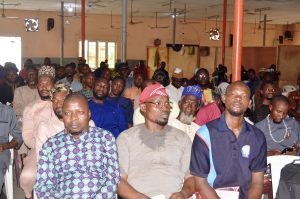
Muslim News gathered that the workshop brought together over 460 leaders of the organisation from branches and local government areas across the country, both physically and virtually.
The workshop, which featured sessions on leadership orientation, teamwork, digital leadership, grassroots leadership, and transformational Tazkiyah, also showcased the positive application of artificial intelligence (AI) in organisational management.
Represented by the Secretary General of TMC, Alhaji Hassan Taiwo Adesina, the Amir emphasised the need for adequate funding, effective monitoring, and continuous capacity building within Nigeria’s security architecture.
He stressed that beyond budgetary provisions, the Federal Government must ensure transparency and accountability in the utilisation of funds allocated for security, particularly those meant for the procurement of modern equipment.
According to him, proper follow-up mechanisms are necessary to ensure that investments in security infrastructure translate into tangible outcomes in combating crime and safeguarding lives.
Alhaji Bangbala further noted that security agencies, including the Army, Navy, Air Force, and the Police, must be equipped not only with modern tools but also with the requisite training to deploy them effectively in addressing evolving threats.
He urged governments at all levels to integrate innovation, strategic planning, and technology-driven solutions into governance, describing them as critical components in tackling contemporary security challenges.
The TMC leader added that strengthening institutional capacity and adopting global best practices would go a long way in improving Nigeria’s security landscape and overall governance system.
Workshop is a strategic roadmap for survival, excellence – Amir
Earlier, in his welcome address delivered virtually, Alhaji Bangbala spoke on the theme of the workshop, describing it as “not a rhetorical exercise” but “a strategic roadmap for survival and excellence.” He added that it signified a shift from organisational infancy to a phase of responsibility, noting that “we have moved past the era of infancy and into the era of responsibility.”
Alhaji Bangbala acknowledged that while the organisation had developed commendable structures, implementation remained a challenge, stating that “for too long, we have seemingly excelled at building beautiful structures on paper, only to struggle when it is time to translate those structures into visible transformation on the ground.”
He emphasised that the workshop was critical to repositioning the organisation, declaring that “this workshop is not just beneficial but absolutely essential for the next phase of our journey.”
According to him, contemporary Da’wah requires a combination of competence and spirituality, as “it demands competence… administrative sharpness alongside spiritual depth,” and the ability to “navigate the complexities of governance and compliance with precision.”
Ustadh Ariremakọ calls for shift from routine Tazkiyah to structured transformation
Speaking during the Tazkiyah session, the Naibul Amir, Cultural Affairs (NACA) of the organisation, Imam AbdulHafeez Ariremakọ, called for a strategic shift in Tazkiyah (spiritual purification) from routine activities to a structured system of transformation capable of producing responsible leaders at the grassroots level.
He stressed that the declining impact of Tazkiyah is not due to a lack of knowledge but challenges of leadership, structure, and relevance.
Ustadh Ariremakọ noted that although Tazkiyah is not extinct, its impact is gradually fading, warning that many centres now operate as routine gatherings rather than systems of transformation.
According to him, the concept has shifted from mentorship-driven development to lecture-based engagement, resulting in what he described as “gatherings without guidance, attendance without accountability, and reminders without real transformation.”
Animashaun urges strategic leadership, systems for impactful da’wah
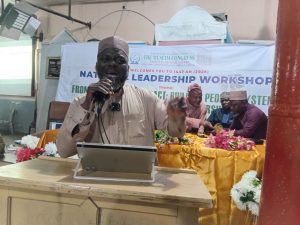
In his lecture titled “From Structure to Impact: Building People, Systems and Purpose-Driven Leadership,” Ustadh Mikail Animashaun stressed that fulfilling the divine responsibility of da’wah requires deliberate and conscious efforts that produce visible impact in society.
He noted that strategic planning and well-designed systems are critical to building resilient, knowledgeable, and purpose-driven leaders suited to contemporary realities.
The lecturer explained that leadership is not merely about managing activities but about inspiring people through vision and purpose, adding that “a bad system will beat a good person every time,” underscoring the importance of strong organisational structures.
He further highlighted that TMC must strengthen its operations across all levels, national, state, local government, and branch, by leveraging digital tools, engaging influential stakeholders, and repackaging programmes to enhance relevance and visibility.
Engr. Salman advocates data-driven leadership, AI adoption for digital transformation
During a presentation titled “Empowering The Muslim Congress for the Digital Age,” Engr. Lawal Toyin Salman highlighted the need for leaders to move beyond intuition-based decision-making to a model grounded in data-informed insights, enabling more accurate planning, evaluation, and execution of organisational goals.
He underscored the growing role of artificial intelligence as an administrative partner, capable of automating routine tasks and freeing leaders to focus on strategic vision, innovation, and value creation.
Engr. Salman also urged the adoption of data-driven strategies, AI tools, and a phased digital transformation approach to improve coordination and long-term impact.
A key component of the proposed transformation, he noted, is the development of a smart documentation architecture designed to secure institutional memory through centralised digital systems, enhance knowledge management, and ensure continuity across leadership transitions.
Sponsored

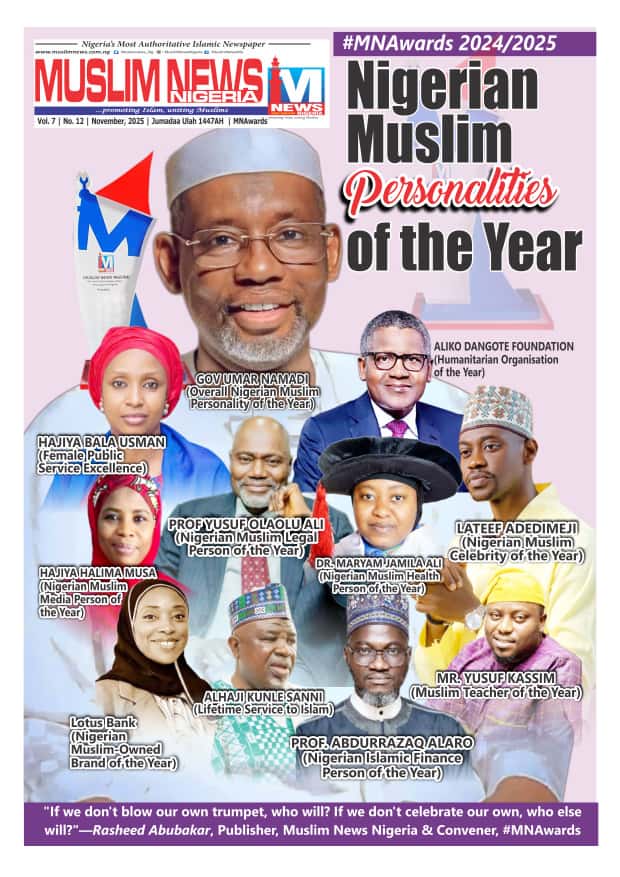
Nigerian Muslim Personalities of the Year 2024/2025
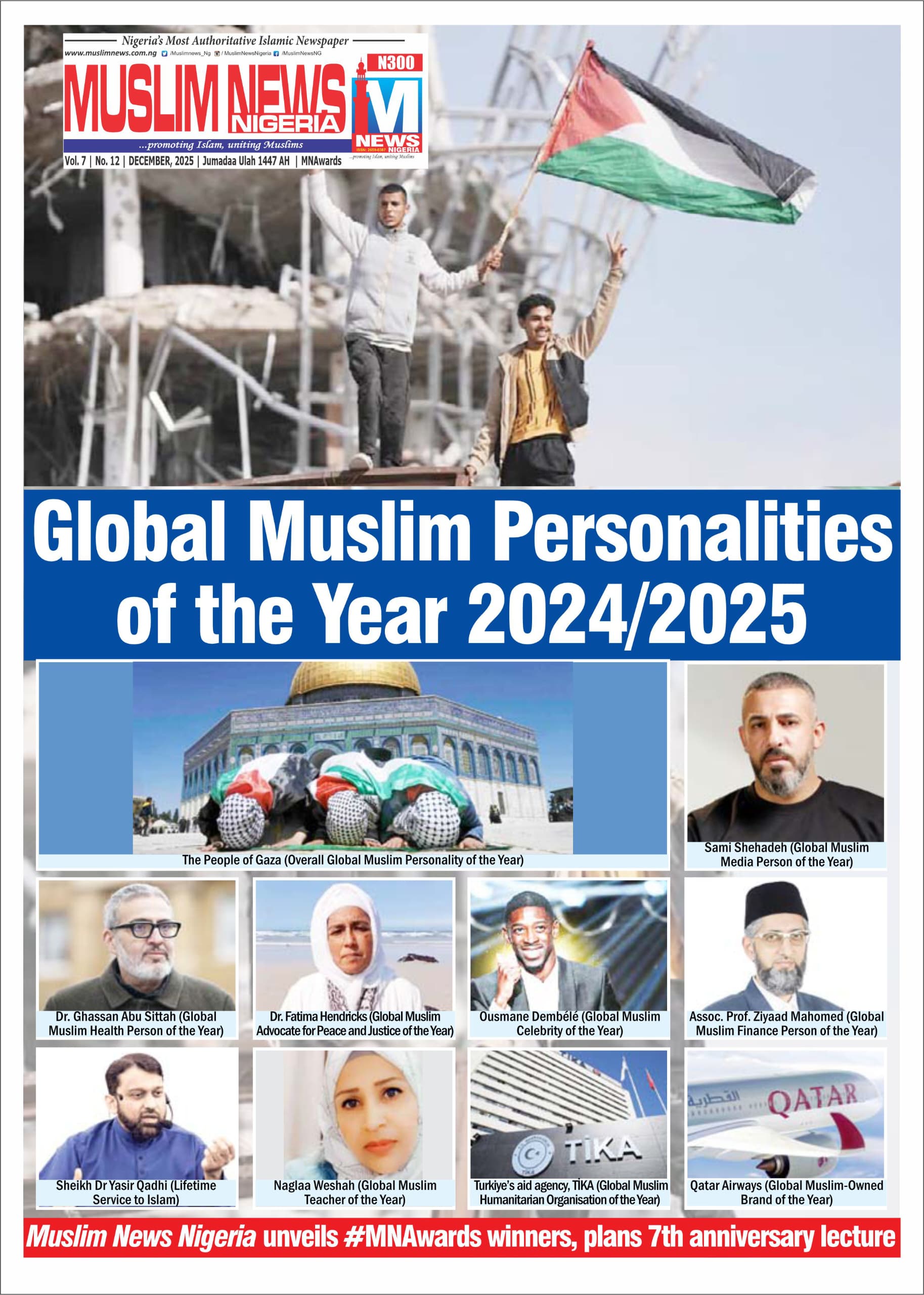
Global Muslim Personalities of the Year 2024/2025



Discover more from Muslim News Nigeria
Subscribe to get the latest posts sent to your email.