
The Chief Imam of Lekki Central Mosque, Dr. Ridwan Jamiu, has urged Muslims who are eligible to pay zakat to prioritize their needy relatives, stressing that charity in Islam should begin at home as part of fulfilling a key religious obligation.
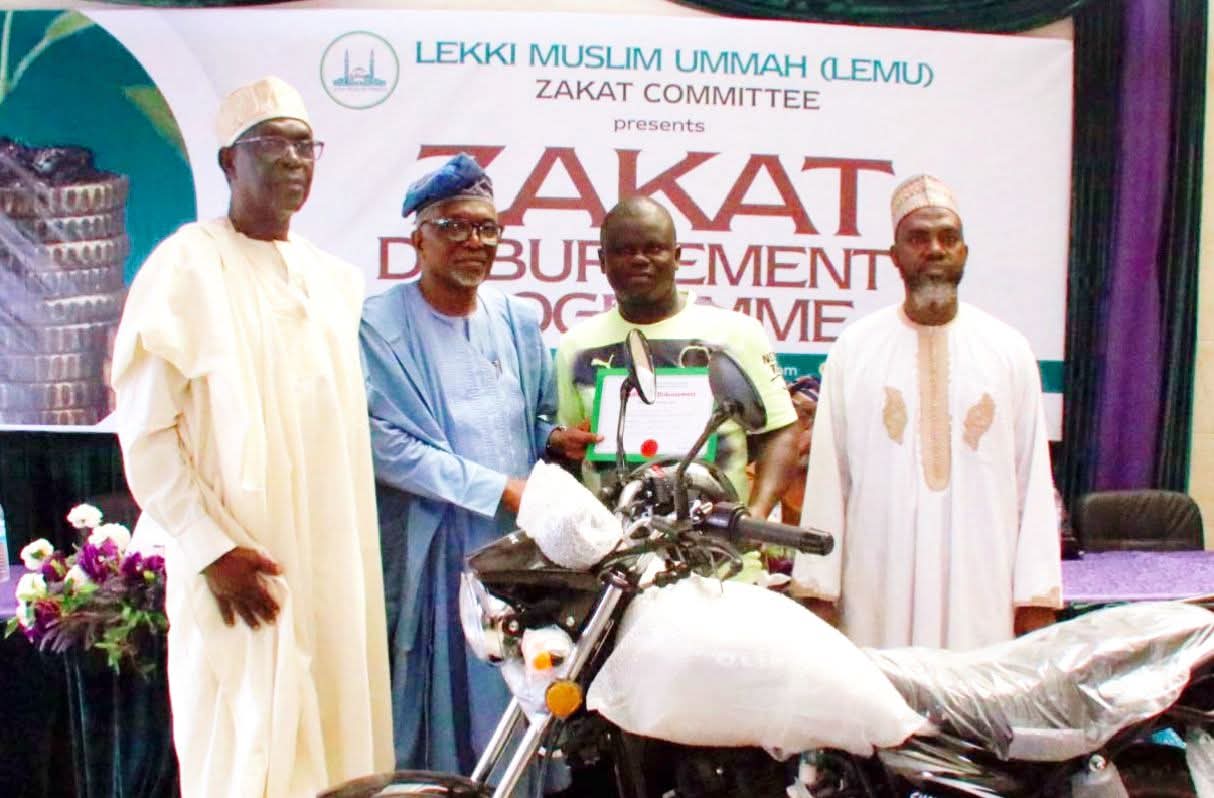
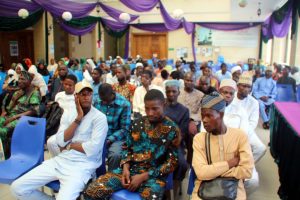
He made the call on Saturday, May 16, at the 2026 Zakat Disbursement Programme organised by the Lekki Muslim Ummah (LEMU) Zakat Committee at the Lekki Central Mosque, Lekki, Lagos, where ₦225 million zakat proceeds were distributed to no fewer than 400 beneficiaries.
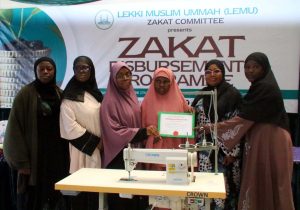
Muslim News gathered that recipients received not only cash but also empowerment tools such as laptops, motorcycles, and industrial equipment to support entrepreneurship and self reliance.
Dr Jamiu explained that Islam permits zakat to be given to eligible family members such as uncles, aunts, cousins, and siblings if they fall within the rightful categories of beneficiaries, noting that this helps strengthen family bonds while promoting social welfare.
He said, “If you have needy relatives such as uncles, aunts, cousins or siblings, they can receive your zakat. Charity begins at home.”
However, he clarified that zakat cannot be given to direct dependants such as one’s wife and children.
Zakat purifies wealth and strengthens faith
Speaking extensively on the spiritual significance of zakat, the Chief Imam described it as one of the pillars of Islam and a compulsory act of worship for every Muslim whose wealth meets the prescribed threshold.
He explained that zakat purifies wealth and cleanses the soul from stinginess and doubt in Allah’s promise, adding that it strengthens faith and trust in divine provision.
According to him, “Zakat is a pillar of Islam and it is compulsory for anyone who has reached the threshold. One of its benefits is purification of the soul from stinginess and doubt about Allah’s promise.”
Dr Jamiu further stated that zakat is a demonstration of faith, saying it reflects a believer’s conviction that Allah will reward spending in His cause and increase sustenance.
He added that zakat also serves as a means of forgiveness and spiritual cleansing, noting that charity removes sins and attracts divine mercy.
He explained that angels pray for those who give in charity, making zakat a source of blessings for both giver and receiver.
He also said zakat brings believers closer to Allah on the Day of Judgment and serves as protection from hardship in the hereafter.
Speaking on this year’s disbursement exercise, the Chief Imam described it as a significant improvement over previous years, noting increased inflow, wider reach, and stronger public confidence in the LEMU zakat structure.
He also revealed that the programme included not only financial assistance but also mentorship and skills training, explaining that some beneficiaries require knowledge more than money to achieve sustainable empowerment.
Dr Jamiu commended zakat payers, describing them as key contributors to social welfare and crime prevention, adding that their support helps reduce desperation and discourages criminal tendencies in society. He prayed that Allah would accept their efforts and reward them abundantly.
Rising poverty makes zakat a vital social safety net in Islam, says LEMU chair
In his remarks, the Chairman of the Lekki Muslim Ummah (LEMU) Zakat Committee, Alhaji Yunus Olalekan Saliu, said the initiative has become an annual response to rising poverty driven by economic, social, and security challenges in the country.
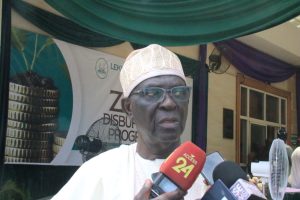
He noted that the number of people in need continues to grow daily, making zakat intervention increasingly important as a form of social safety net within Islam.
According to him, “What is happening here today has become a kind of annual ritual. We have a growing population of people in need in Nigeria because of economic challenges, social challenges, and security challenges.”
Alhaji Saliu, who is also a member of the Board of Trustees of LEMU, stressed that Muslims are enjoined to spend from what Allah has provided to support the less privileged and improve living conditions.
He added that zakat is a compulsory pillar of Islam and not optional for eligible Muslims whose wealth meets the prescribed threshold.
He disclosed that zakat inflow rose significantly, growing from about ₦160 million in the previous year to ₦225 million this year, attributing the increase to public trust and transparency in the committee’s operations.
Alhaji Saliu noted that over 3,000 applications were received, but only about 400 beneficiaries were selected after careful screening, adding that women volunteers played a key role in ensuring transparency and fairness.
He also advised beneficiaries to make proper use of the support received, warning against misuse or diversion for illegal activities.
Cash support gives way to business growth model, says LEMU President
Also speaking, the President of LEMU, Dr Abdul Ghani Labinjo, said the 2026 disbursement recorded a 37 percent increase in zakat inflow despite prevailing economic difficulties in the country.
He said the rise reflected growing awareness and confidence among Muslims, even in the face of unemployment and business challenges.
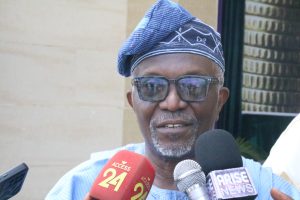
Dr Labinjo explained that the focus of the programme has shifted towards empowerment and skill acquisition, noting that beneficiaries are now equipped to start or expand businesses rather than rely solely on cash support.
He described zakat as a social welfare system in Islam designed to promote economic stability and reduce inequality, stressing that effective implementation is essential to poverty alleviation.
“Zakat is a poverty alleviation framework in Islam designed to promote economic stability and reduce inequality,” he said, adding that effective implementation remains essential to achieving poverty alleviation goals”, he noted.
Fashion designer hails LEMU zakat support initiative
One of the beneficiaries, Halimah Ayoyemi, a fashion designer, expressed gratitude after receiving an industrial weaving machine through the LEMU zakat empowerment programme, describing it as a major boost to her business.
Ayoyemi said the support would reduce her production costs and improve her profit margin, noting that she previously spent heavily on outsourcing weaving services.
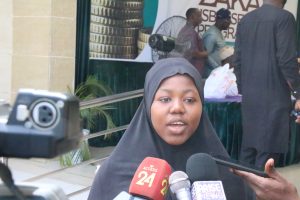
“I requested an industrial weaving machine because most of the jobs I handle require sewing and weaving. I spend a lot of money on those things and the profit is usually very small,” she said.
She added that the equipment would help her handle more jobs efficiently and improve her income.
Ayoyemi commended the organisers for the smooth and transparent selection process, explaining that beneficiaries were assessed based on the relevance of their requests to their professions.
“I want to say a very big thank you. Jazakumullahu khair to them. May Allah replenish their pockets and reward those giving us this zakat,” she added.
Sponsored

Nigerian Muslim Personalities of the Year 2024/2025
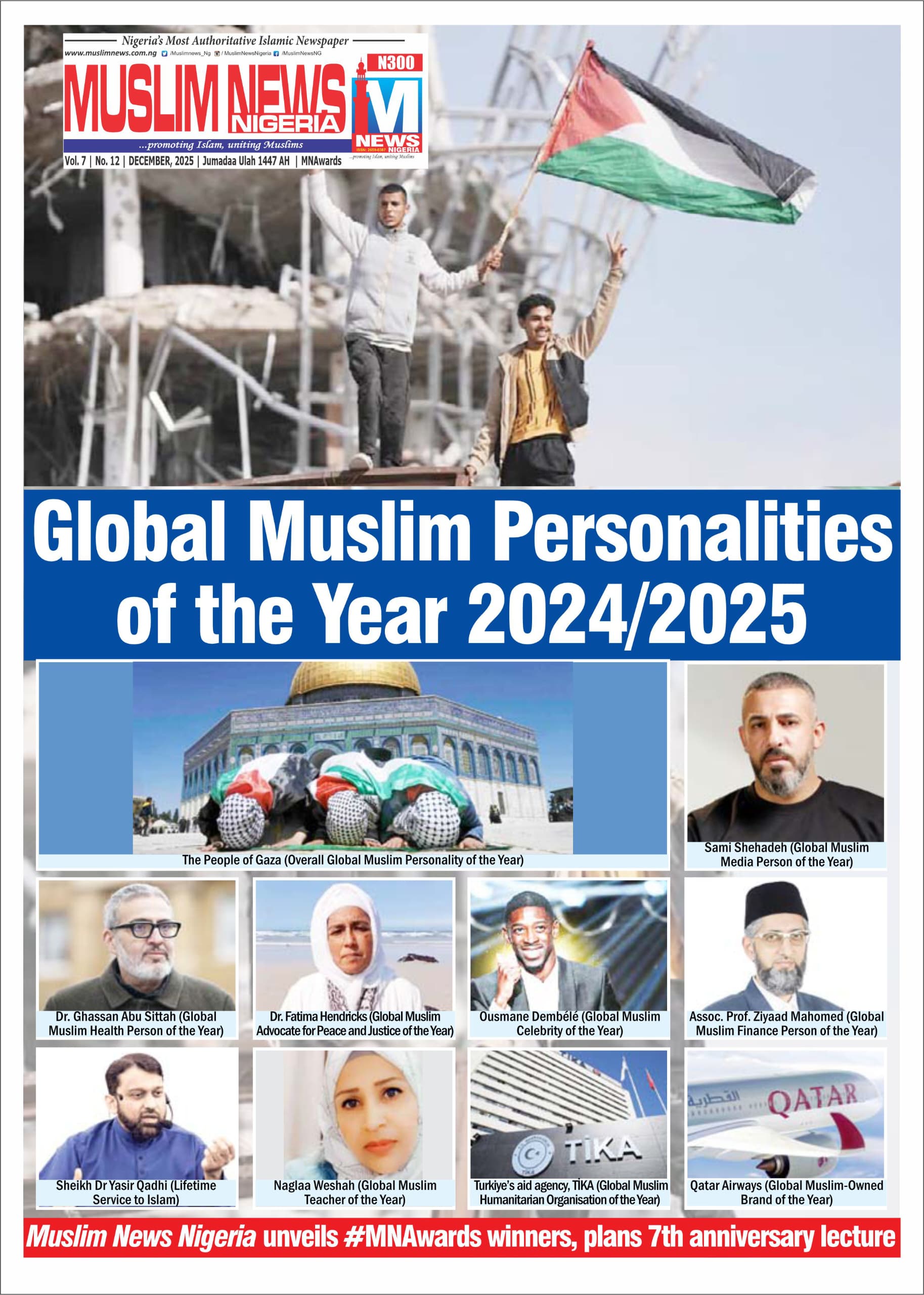
Global Muslim Personalities of the Year 2024/2025



Discover more from Muslim News Nigeria
Subscribe to get the latest posts sent to your email.