

* Seeks long term self reliance through skills and business support
The Jaiz Charity and Development Foundation has disbursed more than 45.88 million naira to 132 beneficiaries across 24 locations in Nigeria as part of its 2026 Zakat intervention programme aimed at reducing hardship and supporting vulnerable households amid rising economic pressures.
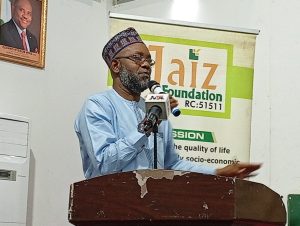
The Chief Executive Officer of the Foundation, Alhaji Mukhtar Sani Abdulkadir, made the disclosure on Tuesday, May 19, at the 10th Zakat Distribution Ceremony held at the Conference Hall of the Abuja National Mosque.
The event also featured the Special Guest of Honour, Hon. Dr Shehu Balarabe Kakale, Special Adviser to the Minister of Education on Almajiri and Out of School Children Education Reform.
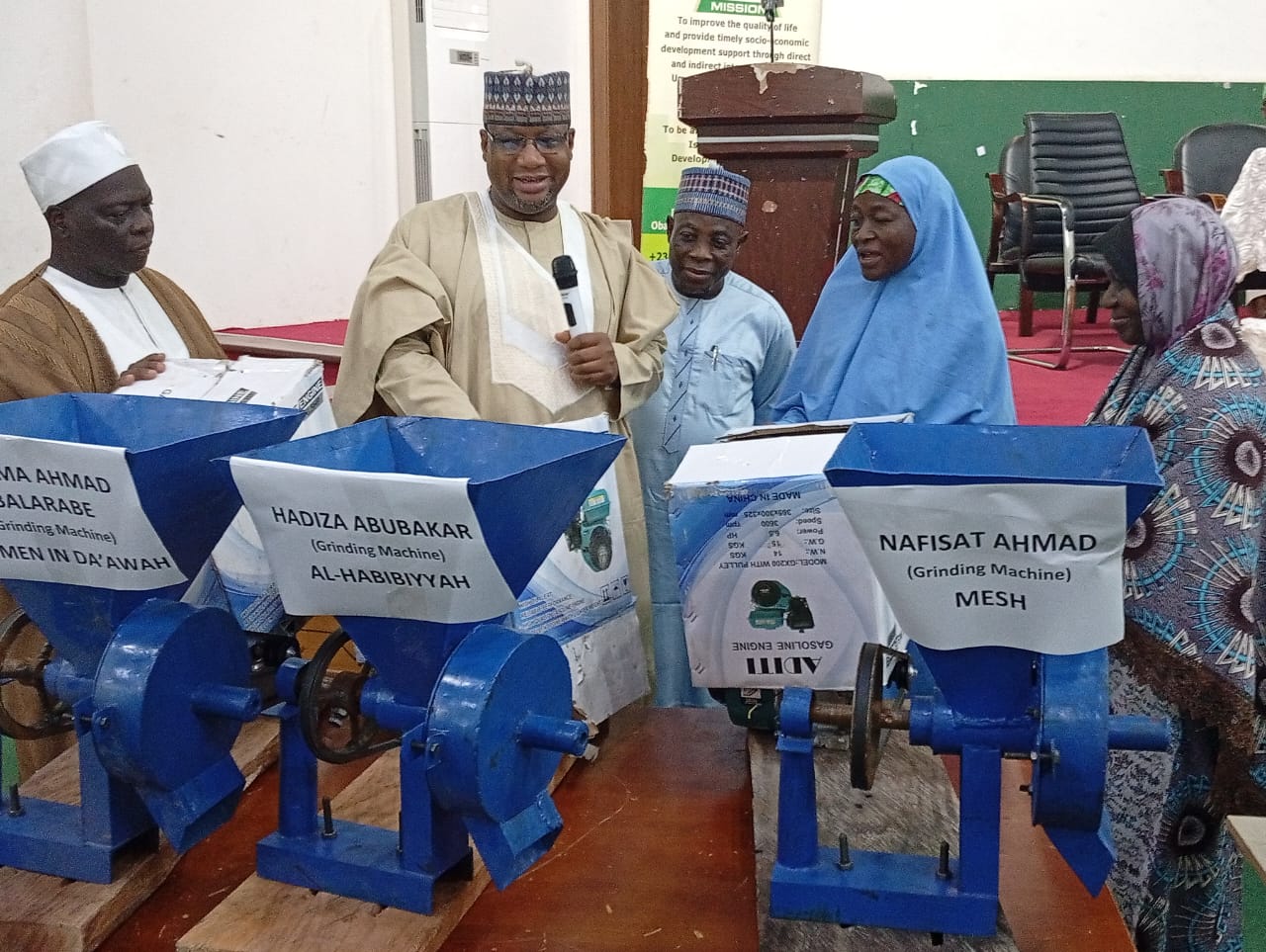
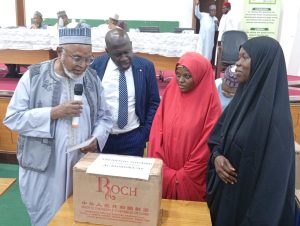
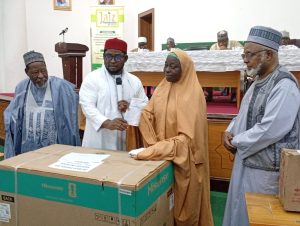
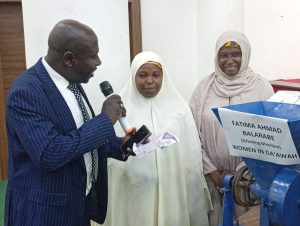
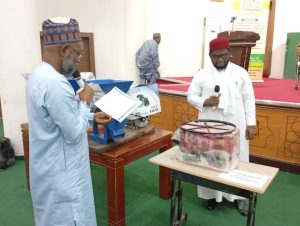
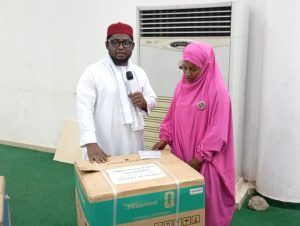
Muslim News gathered that beneficiaries went home with both financial assistance and empowerment tools such as deep freezers, grinding machines, sewing machines and other livelihood equipment designed to promote small scale businesses and self reliance.
A breakdown of the intervention showed that education received the highest financial allocation with over 22.08 million naira supporting 38 beneficiaries, while economic empowerment recorded the highest number of beneficiaries with 76 individuals benefiting from over 14.32 million naira.
Healthcare assistance reached 13 beneficiaries with 1.46 million naira allocated, while accommodation support covered 3 beneficiaries with 300 thousand naira. Da wah support received 3.12 million naira, while administrative costs stood at 4.58 million naira.
Presenting the report, Alhaji Sani Abdulkadir said the year under review was marked by severe economic challenges that continued to affect households across Nigeria.
He explained that rising inflation, food prices, transport costs and healthcare expenses significantly reduced the purchasing power of many citizens, while global economic disruptions, including tensions involving the United States, Israel and Iran, further worsened supply chain instability and increased the cost of essential commodities.
Alhaji Abdulkadir noted that widows, orphans, indigent persons and low income families remained the most affected, adding that the Foundation deliberately targeted these groups in its intervention efforts.
He stressed that Zakat remains a key instrument for social justice, economic balance and community support.
He said the interventions were designed not only to provide immediate relief but also to promote long term self reliance through skills acquisition and business support.
The Chief Executive Officer expressed appreciation to Zakat payers, development partners and supporters for their continued trust and generosity, while calling for increased contributions from privileged individuals and corporate organisations to address widening economic inequality.
He also urged beneficiaries to make effective use of the support received in order to improve their living conditions and reduce dependency.
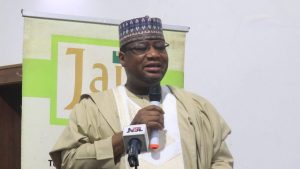
In his remarks, the Special Guest of Honour, Dr. Balarabe Kakale, commended the Jaiz Foundation for its comprehensive transparency and accountability in the management of zakat funds collected and distributed.
He urged other zakat organisations to emulate the reporting standards of Jaiz Foundation and to work closely with the Association of Zakat and Waqf Operators in Nigeria (AZAWON), with a view to developing a National Zakat Index similar to what is being implemented in Indonesia.
Also speaking, the Chairman of the Board of Trustees, Mallam Dr Adamu Bello CFR, welcomed guests to the ceremony and described it as a milestone in the Foundation’s mission of compassion, social responsibility and economic justice.
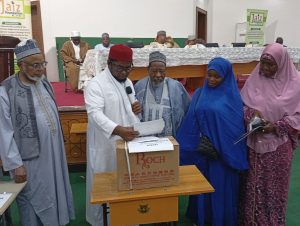
He said despite operational challenges, the Foundation had resumed full Zakat activities through the support of donors and partners, noting that most collections were received towards the end of Ramadan 1447 AH, which affected the timing of the distribution exercise.
The Chairman commended the Board and management for their resilience and expressed confidence in the continued impact of the Foundation’s humanitarian work.
He called on beneficiaries to utilise the support productively and encouraged stakeholders to sustain their partnership in strengthening humanitarian interventions for vulnerable communities.

The Foundation concluded by appreciating guests, partners and members of the press for their participation, describing the programme as a collective effort to build a more inclusive and compassionate society.
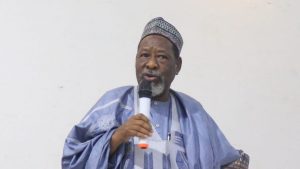
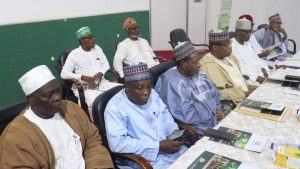
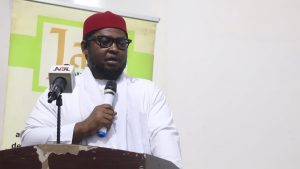
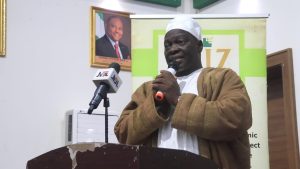
Other faces at the disbursement
Sponsored

Nigerian Muslim Personalities of the Year 2024/2025

Global Muslim Personalities of the Year 2024/2025




Discover more from Muslim News Nigeria
Subscribe to get the latest posts sent to your email.