
* Concludes 2026 distribution with N516.9m Lagos intervention
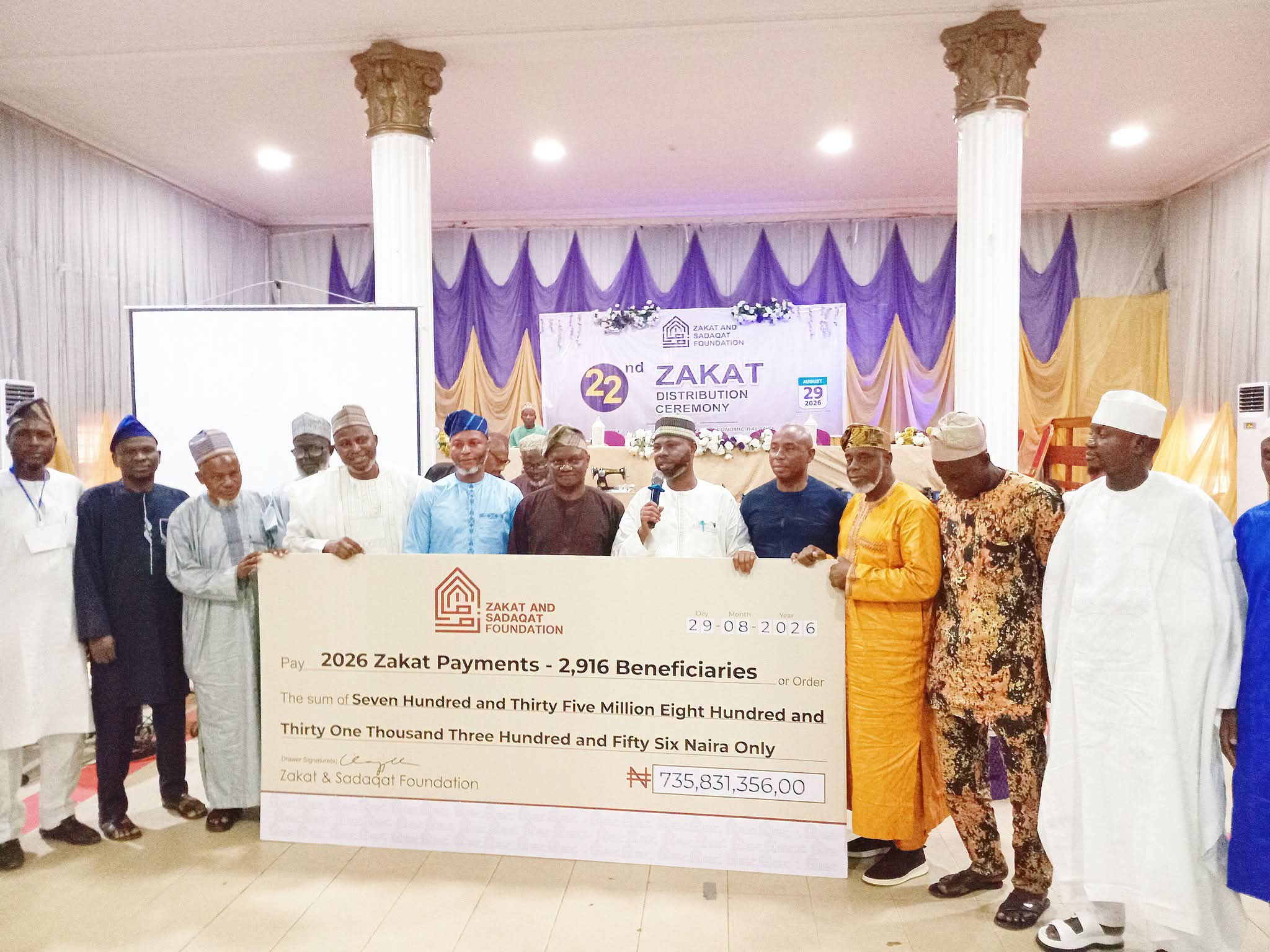
One of Nigeria’s leading charity organisations, the Zakat and Sadaqat Foundation (ZSF) has significantly expanded its intervention in 2026, disbursing N735,831,356 to 2,916 beneficiaries across 28 states, as it intensifies efforts to use Zakat as a tool for poverty alleviation, economic empowerment and social welfare.
The figure represents a 55.7 per cent increase over the N472,700,552 distributed to 2,821 beneficiaries in 2025, with the value of assistance per beneficiary also rising by about 50.6 per cent.
The distribution was held on Saturday, August 29, at the Lagos Chamber of Commerce and Industry (LCCI), Alausa, Ikeja, where N516,974,947 was distributed to 1,756 beneficiaries in Lagos State, marking the conclusion of its 2026 distribution cycle.
The ceremony brought together Zakat payers, beneficiaries, Islamic scholars, community leaders, corporate executives and other stakeholders, including the Chairman of the occasion, Managing Director/Chief Executive Officer of Lotus Bank, Dr Isiaka Ajani-Lawal; MTN Nigeria Chief Finance Officer, CFO, Mr. Modupe AbdulKareem Kadri (MAK); and Executive Director, Z&S Waqf Foundation, Alhaji Maruf Ahmed.
Economic empowerment takes largest share
Muslim News gathered that the annual programme commenced in June with N37 million distributed to 185 widows for economic empowerment and medical support.
A breakdown released by the Foundation showed that economic empowerment received the largest allocation, accounting for N426,689,837 of the total disbursement. Medical support followed with N128,965,442, while N54,822,656 was allocated to education.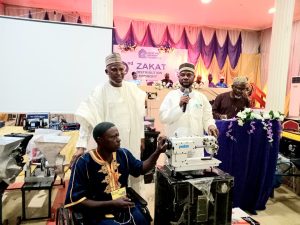
Other beneficiaries received assistance for accommodation, community development projects, debt relief and support for the elderly.
The Executive Director/Chief Executive Officer of the Foundation, Prince Sulayman Olagunju, said the allocation reflected a deliberate strategy to address immediate needs while giving beneficiaries the means to become self-reliant.
“Economic empowerment remains particularly important because it provides beneficiaries with opportunities to become self-reliant, establish sustainable livelihoods and contribute meaningfully to the economy,” Olagunju said.
He added that medical support enabled vulnerable people to access essential healthcare, while education interventions were designed to help deserving beneficiaries pursue their educational aspirations.
According to him, the Foundation’s objective was not simply to distribute funds but to ensure that Zakat generated measurable and lasting social impact.
Zakat disbursement rises 55.7% as beneficiaries increase to 2,916
The 2026 intervention marked a significant expansion in the Foundation’s operations. From N472,700,552 distributed to 2,821 beneficiaries in 2025, the Foundation increased its disbursement to N735,831,356 for 2,916 beneficiaries in 2026.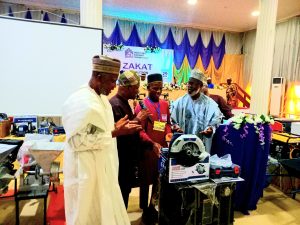
The increase amounts to N263,130,804, or approximately 55.7 per cent, while the number of beneficiaries grew by 95, representing a 3.4 per cent increase.
More significantly, the average assistance received by each beneficiary rose from approximately N167,568 in 2025 to N252,343 in 2026, representing an increase of about 50.6 per cent.
Prince Olagunju said the figures should be viewed beyond their monetary value.
“These figures are not merely statistics. They represent more families supported, more livelihoods strengthened, more medical needs addressed and more people given an opportunity to live with dignity and hope,” he said.
He attributed the growth partly to the increasing confidence of Zakat payers and the Foundation’s growing capacity to convert their contributions into meaningful interventions.
MTN CFO backs targeted Zakat interventions to tackle poverty
The scale and structure of the intervention attracted commendation from the MTN CFO, who said organised Zakat distribution could play a greater role in addressing poverty when interventions were properly targeted.
Mr. Kadri urged beneficiaries to trust in Allah, pray for blessings on the support received and develop the intention to assist others when they became financially capable.
He particularly praised the Foundation for focusing on economic empowerment, education and medical interventions, describing the approach as capable of producing more sustainable outcomes than isolated individual assistance.
The CFO said more organisations adopting targeted interventions could contribute significantly to poverty reduction in Nigeria.
“As long as the interventions are targeted, because there are eight categories you can distribute Zakat, they have been deliberate and intentional to focus on economic empowerment,” he said.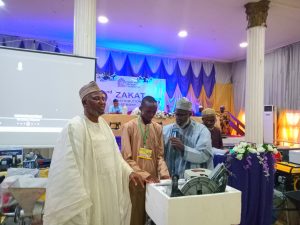
According to him, interventions in education and healthcare could also strengthen people’s capacity to participate productively in the economy.
Mr. Kadri described the scale of the Foundation’s annual intervention as significant in the Nigerian context, noting that pooling resources through an organised platform enabled beneficiaries to access support that individuals might not be able to provide on their own.
Zakat key to wealth redistribution, social justice — IIFP President
The Chairman, Board of Trustees, Zakat and Sadaqat Foundation, Prof. Tajudeen Yusuf, described Zakat as more than charity, saying it plays a vital role in redistributing wealth, reducing economic inequality and preserving human dignity.
Prof. Yusuf, the Founding President of the Institute of Islamic Finance Professionals (IIFP), said the Foundation had remained committed for more than two decades to the transparent collection and equitable distribution of Zakat to those in need.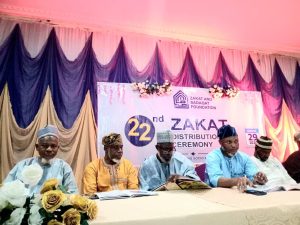
He said the Foundation’s interventions had covered micro-enterprise equipment, medical relief, educational grants and emergency relief packages, among others.
Prof. Yusuf urged beneficiaries to see the assistance as an opportunity to build self-reliance and improve their livelihoods, expressing hope that many of them would eventually become Zakat payers themselves.
Ahmed urges beneficiaries to use Zakat support wisely
Alhaji Ahmed said the Lagos ceremony traditionally served as the final phase of the Foundation’s annual Zakat distribution, with the state receiving one of the largest interventions.
He urged beneficiaries to regard the assistance as a trust from Allah and use it wisely, stressing that while Zakat payers had fulfilled their obligation by giving, the Foundation had also discharged its responsibility by distributing the funds to eligible beneficiaries.
The Executive Director of Z&S Waqf Foundation appealed to recipients to use the support productively and work towards becoming self-reliant rather than continuing to depend on assistance.
Beneficiaries express gratitude
One of the beneficiaries, a Niqabi, Hajia Sofiyah AbdulKabir, received an industrial sewing machine through the Foundation’s economic empowerment programme.
She expressed gratitude for the support and said she hoped to become a Zakat contributor herself when she became financially capable.
“I’ll love to contribute as well and if I am not able to contribute this year, I’ll contribute next year. Even if it’s not much, I’ll start small. May Allah make it easy for me,” she said.
She also prayed for the Foundation and its supporters, saying beneficiaries should reciprocate the trust placed in them by using the assistance responsibly.
Non-Muslim beneficiary commends initiative
A non-Muslim beneficiary, Anthony Chuka Chude, said he learnt about the Foundation through a friend before applying and being selected for the programme.
Chude, who received a cash transfer, described the experience as inspiring and commended the Foundation for its humanitarian intervention.
He said he had not expected the organisation to reach out to him and added that the experience had encouraged him to consider contributing to similar initiatives when he became financially capable.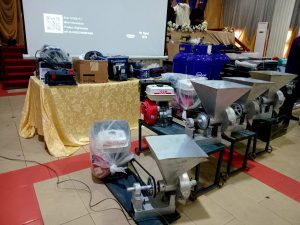
Foundation: Work continues beyond 2026 distribution
Despite the conclusion of its 2026 distribution cycle, the Zakat and Sadaqat Foundation said its work would continue, stressing that many vulnerable Nigerians still required assistance.
“There are still many vulnerable Nigerians who require assistance, and we must continue to strengthen the culture of Zakat and Sadaqat in our society,” Prince Olagunju said, while appreciating the Foundation’s Zakat payers, donors and other stakeholders for their continued support and commitment to its mission.
Sponsored

Nigerian Muslim Personalities of the Year 2024/2025
Global Muslim Personalities of the Year 2024/2025




Discover more from Muslim News Nigeria
Subscribe to get the latest posts sent to your email.