

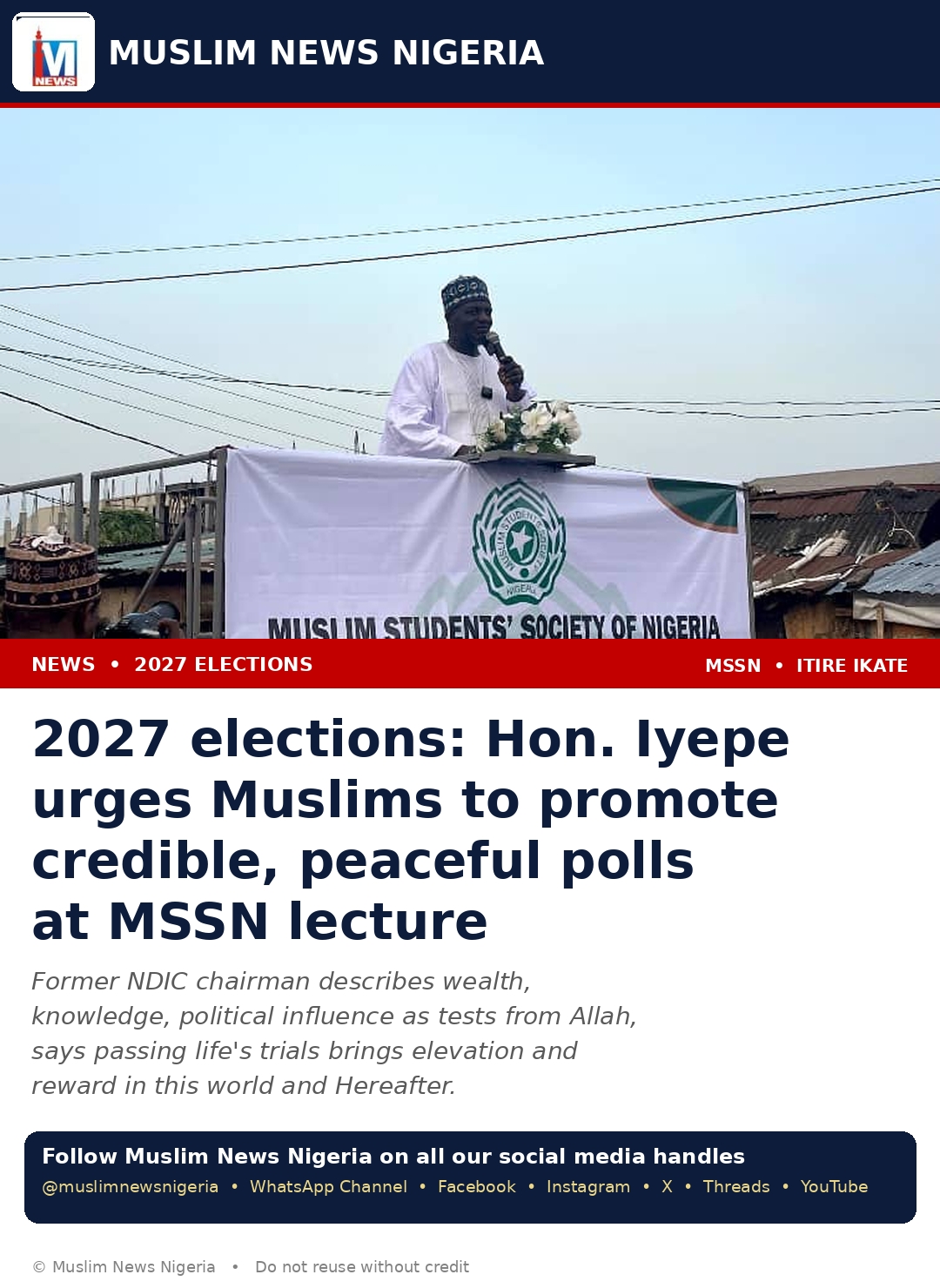
* Former NDIC chairman describes wealth, knowledge, political influence as tests from Allah, says passing life’s trials brings elevation and reward in this world and Hereafter.
Former Chairman of the Nigeria Deposit Insurance Corporation (NDIC), Dr AbdulHakeem AbdulLateef, popularly known as Hon. Iyepe, has urged Nigerian Muslims to play active roles in promoting peaceful, credible and issue-based elections ahead of the 2027 general elections.
He stressed the need for Muslims to approach political participation and leadership as responsibilities for which they would be accountable before Allah, warning that wealth, knowledge, wisdom, political influence and public office were among the blessings through which people would be tested.
Hon. AbdulLateef made the call while delivering a lecture at the quarterly public lecture of the Muslim Students’ Society of Nigeria (MSSN), Itire-Ikate Central Branch, Lagos, on Sunday, November 15, 2026.
The programme, held at Olaogun Playing Ground, Olaogun Street, off Ramoni Bus Stop, Lawanson Road, Surulere, had the theme, “Good Governance and National Development: An Islamic Perspective on Nigeria’s 2027 General Election.”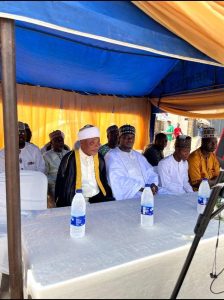
Speaking on the topic, “The Role of Nigerian Muslims in Promoting Peaceful, Credible, and Issue-Based Elections,” the eloquent public speaker, who commands hundreds of thousands of followers on social media, drew connections between Islamic teachings on trials, personal responsibility and the conduct expected of Muslims in public life.
His lecture also reached a global audience through his extensive social media following, with his message centred on the understanding that life is a series of tests through which Allah examines the faith, character and conduct of His servants.
‘We cannot pray against trials’
Explaining the Yoruba concept of àdánwò, which means trial, tribulation or test, the former commissioner for Home Affairs in Lagos State said Muslims should not expect to make progress in life without encountering challenges.
He likened life’s trials to academic examinations, explaining that students must pass through different assessments before progressing from one class to another.
“We should continue to pray to Allah to make us succeed because there is no way we will not be tested. We are already in a trial. If you want to progress academically, you will write examinations from one class to another. Those examinations are examples of trials,” he said.
He added that rather than praying to avoid trials, people should seek Allah’s guidance and work towards overcoming them through preparation, hard work, patience and prayer.
“You cannot progress without it. Rather, you work towards passing the trial, the examination, by reading, preparing and praying to Allah. The same thing applies to the trials of life, which we cannot pray against,” he explained.
According to him, passing life’s examinations has eternal implications, as the ultimate reward for believers is admission into Paradise, where they will enjoy everlasting bliss without further trials or tribulations.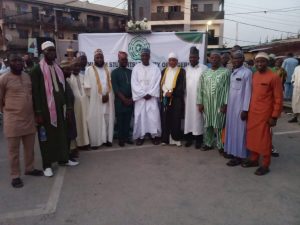
He explained that successfully overcoming life’s trials leads to elevation, victory and reward, both in this world and the Hereafter.
Identifies three ways Allah tests humanity
The Islamic scholar explained that Allah tests His servants in different ways, identifying three major forms of divine trials.
The first, he said, is through blessings such as wealth, knowledge, wisdom, good health and positions of authority. He explained that Allah gives people these privileges to see whether they would deploy them for good purposes and in accordance with His commandments.
According to him, anyone who uses such blessings responsibly, helps others and remains obedient to Allah has passed that particular test, while those who misuse them, become arrogant or engage in wrongdoing have failed.
The second form of trial, he explained, occurs when people pray for something but do not receive it, as Allah may use the situation to examine their faith, patience and trust in Him.
The third is when Allah gives someone something and subsequently takes it away, testing the person’s ability to remain steadfast and submissive to His will.
He stressed that wealth, poverty, success, disappointment and loss should not automatically be interpreted as signs of good or bad fortune, as everyone is subject to divine examination.
‘Allah has power over everything’
Quoting Surah Al-Mulk, verse 1, AbdulLateef emphasised that Allah alone possesses absolute dominion over the universe and has power over all things.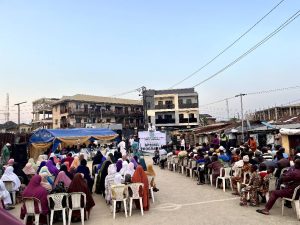
The verse states: “Blessed is He in whose hand is dominion, and He is over all things competent.” (Qur’an 67:1).
He explained that everything people possess comes from Allah, who has the power to give, withhold or reclaim whatever He has bestowed on them.
He also referenced Surah Al-Fajr, verses 15 and 16, to explain how people often misunderstand prosperity and hardship, assuming that abundant provision necessarily means divine favour, while financial difficulties indicate rejection.
He noted that both conditions are tests, urging Muslims to demonstrate gratitude when blessed and patience when confronted with difficulties.
The lecturer further cited Surah Al-Hadid, verses 22 and 23, reminding the audience that everything happens within Allah’s knowledge and decree.
He urged Muslims not to despair over what they lose or become boastful over what they receive, stressing that material possessions, titles and positions are temporary.
Calls for responsible leadership and accountability
Relating the lessons of àdánwò to governance, the former commissioner for Home Affairs in Lagos State warned that political authority and public office were among the most significant responsibilities through which Allah tests individuals.
He cautioned against corruption, abuse of office, injustice and the misuse of public resources, urging Muslims seeking political positions to prioritise service to humanity over personal enrichment.
He also stressed that people in positions of influence must demonstrate integrity, fairness and compassion, adding that their actions, whether carried out publicly or privately, would ultimately be subject to divine accountability.
The lecturer maintained that true success should not be measured by wealth, political titles or social standing alone, but by how people use their privileges to promote justice, support the vulnerable and contribute positively to society.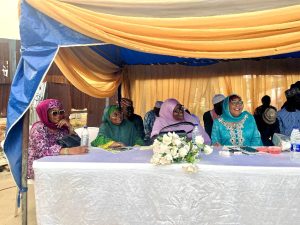
He consequently encouraged Muslims to remain conscious of Allah, uphold ethical values and approach public responsibilities as trusts that must be discharged with sincerity.
MSSN urges Muslims to embrace civic responsibility
Earlier, the Ameer of MSSN Itire-Ikate Central Branch, Mallam AbdulQadir Bolarinwa, in his opening remarks, expressed gratitude to Allah for making the programme a reality and appreciated the guest lecturer and other invited guests for honouring the invitation despite their busy schedules.
He also commended the branch executives and everyone who contributed to the successful organisation of the lecture.
Explaining the choice of theme, Bolarinwa said it was designed primarily to remind Muslims of their responsibilities towards nation-building and emphasise that political participation and national development were obligations they should not shy away from.
He urged Muslims to see the 2027 general elections as an opportunity to contribute their quota to the country’s development, noting that they could participate as voters, candidates and electioneering officers.
He further advised Muslims to vote for credible candidates and recognise their votes as an amanah (trust) for which they would be questioned by Allah.
The MSSN leader also highlighted the strategic role of the society in building and mentoring future generations morally, academically and spiritually.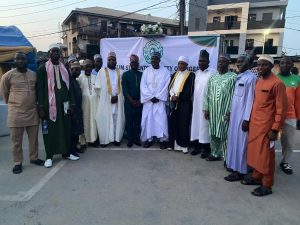
He listed some of the programmes of the Itire-Ikate Central Branch to include weekly Usrah sessions, quarterly public lectures, monthly virtual sessions and humanitarian visits to hospitals, orphanages and remand homes, among other activities.
Describing MSSN as a unifying platform, Bolarinwa said the society accommodated Muslim youths irrespective of their languages and ideological leanings.
He consequently appealed to parents to encourage their children to participate in MSSN activities in their secondary schools and tertiary institutions, stressing the importance of the society in their overall development.
Bolarinwa also serves as the Deputy Coordinator of the National Youth Council of Nigeria (NYCN), Itire-Ikate Branch, and is the Founder and Chief Executive Officer of Bolarnique Bakery, Baking Academy and Consultancy.
The programme was attended by the Coordinator of NYCN Itire-Ikate Branch, Comrade Ambassador Oshodi John Ayodele, who represented the youth council, as well as the three Grand Chief Imams of Ikate, Itire and Ijesha Land.
Other dignitaries included the Education Secretary of Surulere, Alhaja I. T. Salami; the Principal of Ansar-ud-Deen Girls, Alhaja S. B. Muhammad; and the Chief Executive Officer of Queen’s Select International, Alhaja Lateefah Niniola, alongside other community leaders and Muslim faithful.
Sponsored
Sponsored

Nigerian Muslim Personalities of the Year 2024/2025
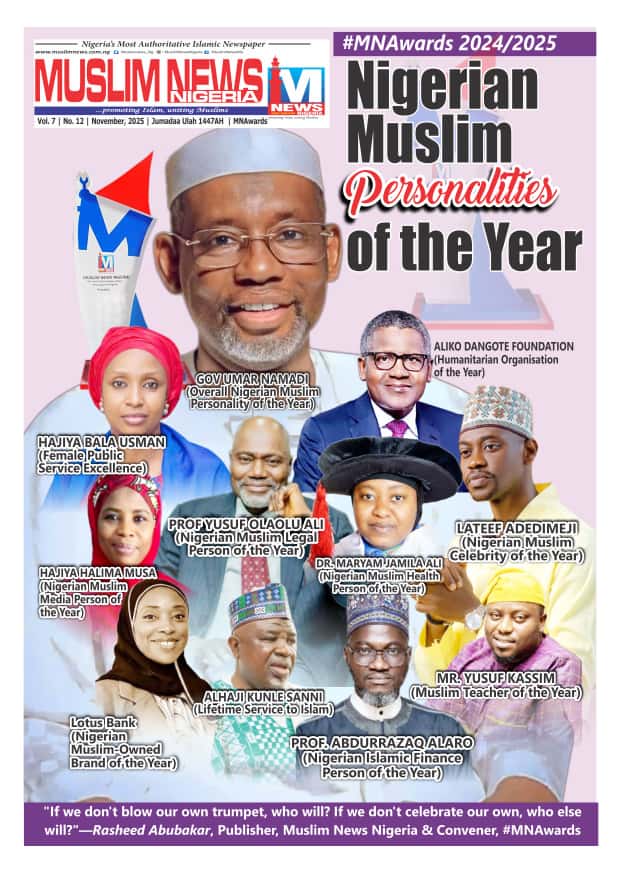
Global Muslim Personalities of the Year 2024/2025




Discover more from Muslim News Nigeria
Subscribe to get the latest posts sent to your email.