

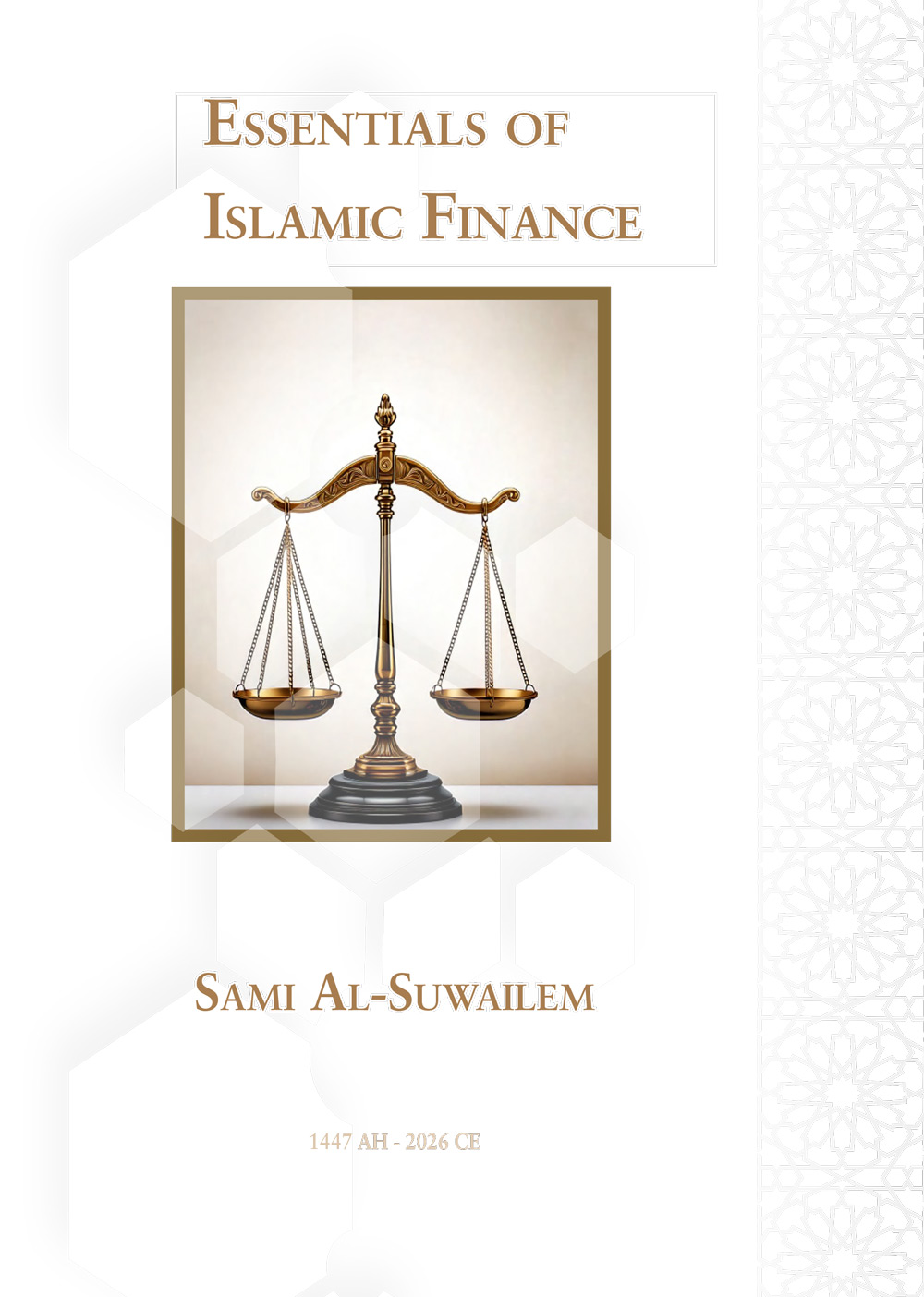
The book focuses on the ethics and economics of Islamic finance and Sharīʿah-compliant practices.
Jeddah, Saudi Arabia – The Islamic Development Bank Institute (IsDBI) has announced the publication of a groundbreaking new book, Essentials of Islamic Finance, authored by Dr. Sami Al-Suwailem, Acting Director General of IsDBI.
The book provides a comprehensive exploration of the principles, ethics, and economic foundations that distinguish Islamic finance from conventional financial systems.
Originally developed as a teaching note in 2011, the work has evolved into a substantially revised and expanded volume.
The new edition integrates Sharīʿah principles, economic reasoning, and real-world applications, offering readers a systematic framework for understanding Islamic finance.
It also addresses contemporary global economic challenges, including financial crises, post-pandemic inflation, and growing concerns over debt sustainability.
The book delves into key concepts such as the prohibition of ribā (usury), the role of zakāh and non-profit activities, the treatment of gharar (excessive risk), and the essential linkage between finance and real economic activity. By doing so, it positions Islamic finance as a moral and economic framework designed to promote justice, stability, and shared prosperity.
In a Foreword, Prof. Bambang Susantono, Member of IsDBI Board of Trustees and former Vice President of the Asian Development Bank, described the book as “both a rigorous scholarly contribution and a practical guide that bridges Islamic legal principles with contemporary economic thought.
The author presents the foundational principles of Islamic finance from an intellectually grounded perspective while demonstrating their relevance to global financial systems.”
Targeted at economists, finance professionals, policymakers, regulators, and researchers, Essentials of Islamic Finance also remains accessible to readers interested in Sharīʿah-based economic systems. It is expected to serve as a valuable resource for academic instruction, policy dialogue, and professional reference.
The publication reflects IsDBI’s broader mission to advance knowledge and capacity building in Islamic economics and finance, supporting the development of more resilient, inclusive, and ethical financial systems worldwide.
Sponsored
Sponsored

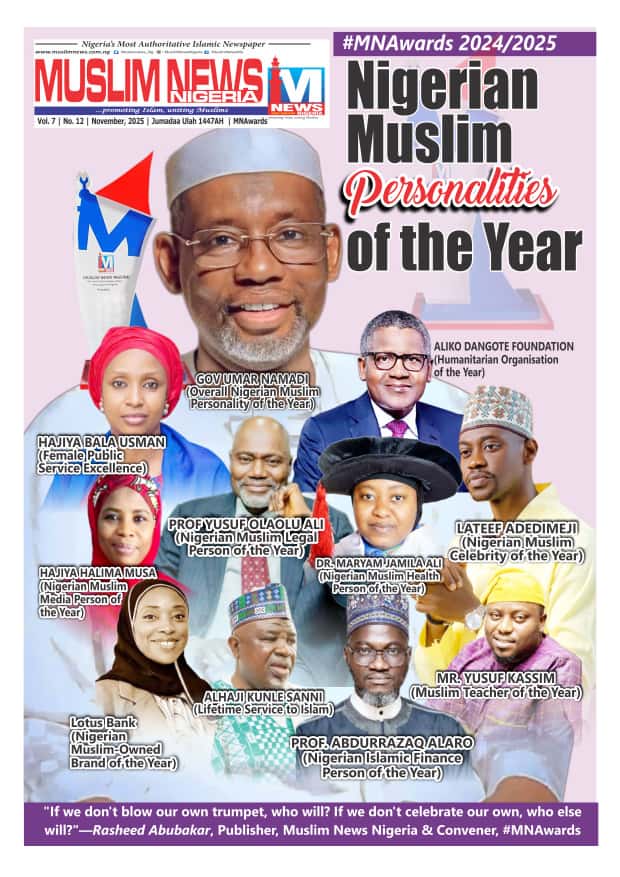
Nigerian Muslim Personalities of the Year 2024/2025
Global Muslim Personalities of the Year 2024/2025




Discover more from Muslim News Nigeria
Subscribe to get the latest posts sent to your email.