

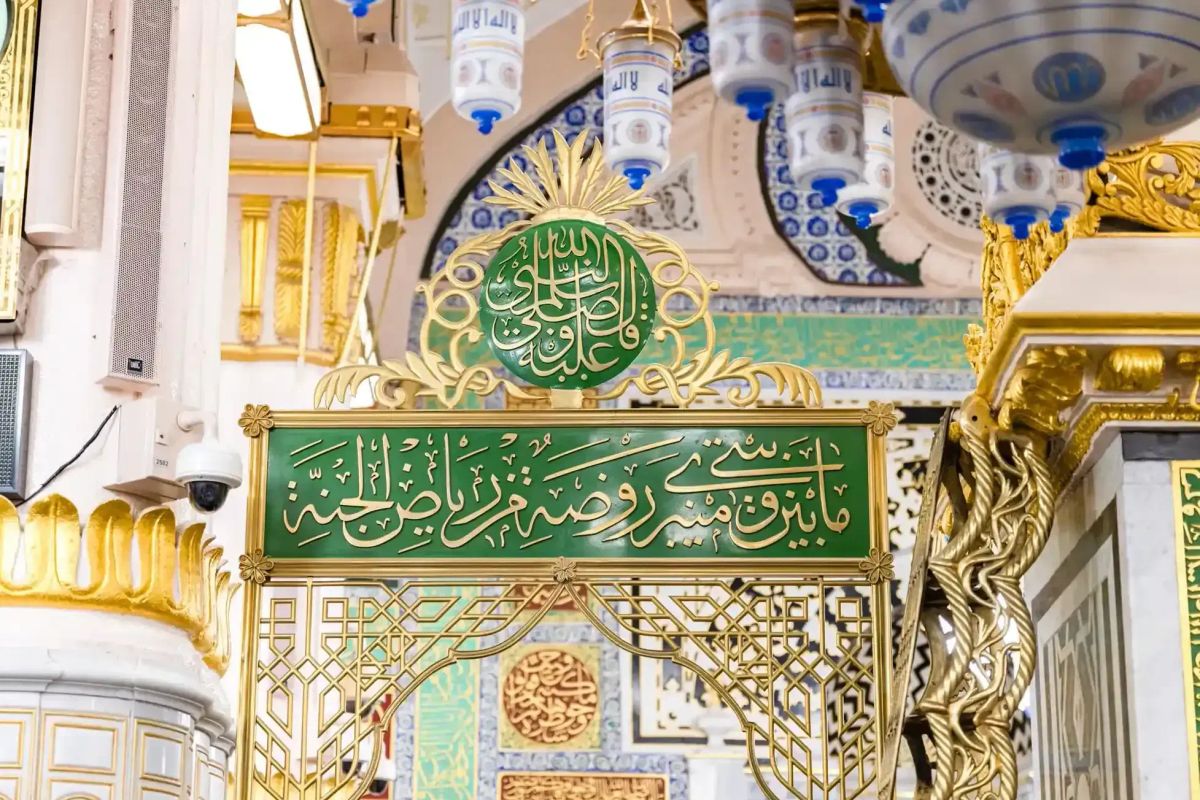
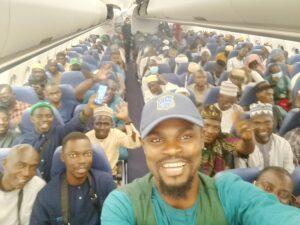
I was the last among 35 Nigerian pilgrims to visit the Rawdah (also spelled Raudah) in the Prophet Muhammad’s Mosque in Madinah during the April 2018 Family and Kids Umrah programme organised by Hajj Mabrur Ventures (HMVL), one of Nigeria’s leading Hajj and Umrah operators.
At the time, I was still recovering from a trailer accident that had kept me indoors for nearly three years. I relied on a walking stick for mobility, and my movement required assistance. I had almost resigned myself to missing the Rawdah experience until Mr AbdulHamid Oyinlola, then operations manager of Hajj Mabrur, offered to accompany me personally.
Earlier, I had listened as fellow pilgrims described the emotional experience of praying in the Rawdah, the blessed space between the Minbar of the Prophet (SAW) and the chamber where he passed away in the room of our mother, Aisha bint Abi Bakr (may Allah be pleased with her). In the 1 million capacity Masjid al Nabawi, access to the area was then marked by intense congestion, long queues, and strict crowd control. Many pilgrims struggled for hours, while some returned without entry.
I had also received numerous prayer requests from family and friends in Nigeria, urging me to remember them in supplication at the Rawdah. That responsibility deepened my resolve. I decided I would not leave Madinah without entering the space.
At approximately 10:30 pm Saudi time on that faithful night, barely 24 hours before departing for Makkah for Umrah rites, I was finally granted access. Unlike the general crowd control system, I was guided through a facilitated route designed for pilgrims with mobility challenges. At that time, the system was limited, manual, and dependent on physical assistance, with no digital booking or integrated identity system.
Rawdah experience amid crowd pressure and emotional reflection
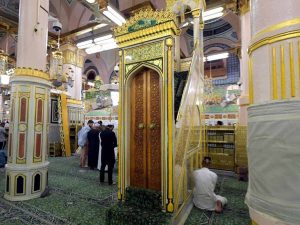
The Rawdah measures about 22 metres by 15 metres and is accessed through Bab al Salam within Masjid al Nabawi. Its green carpets distinguish it from the rest of the mosque, marking it as Riyaad al Jannah, the Garden of Paradise, based on the narration in Sahih al Bukhari: between the house and the pulpit lies a garden from the gardens of Paradise.
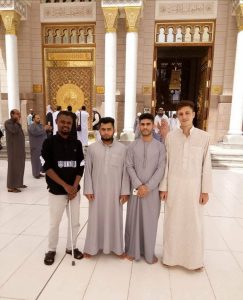
Scholarly interpretations describe it as a blessed space where acts of worship carry multiplied reward and where remembrance and supplication hold special significance. Over centuries, it has remained one of the most sought after prayer spaces for pilgrims visiting Madinah.
Inside, I performed two units of Nafl prayer. I prolonged my final sujood, remaining in prostration in deep reflection. At that moment, Nigeria was going through significant national challenges, including insecurity, inflation, and social tension. Those issues have persisted in various forms up to this day, nearly eight years later.
In that prolonged prostration, I prayed for Nigeria, for my family, for friends, for the global Muslim community, and for relief for those facing hardship. The moment was eventually brought to an end when a mosque official signalled that the allocated time had elapsed, as other pilgrims waited for entry.
It is important to note that the continued challenges facing Nigeria are not a reflection of unanswered prayers, but also a reminder of the role of collective responsibility, mindset, and action. As a nation, progress is tied not only to supplication but also to positive change, discipline, and reform. This is reflected in the Qur’an principle where Allah says:
“Indeed, Allah will not change the condition of a people until they change what is in themselves” (Qur’an 13:11).
Even under congestion, the Rawdah experience remained deeply organised, though limited by the crowd management tools available at the time. Female pilgrims had shorter time slots, and access was often constrained by volume rather than scheduling precision.
Introduction of Nusuk platform and digital transformation of pilgrimage services
Since that 2018 experience, I have returned to Saudi Arabia for Hajj on a few occasions. On some of these visits, I was able to pray in the Rawdah again, while on others I did not, due to demanding journalistic assignments covering Hajj operations for Muslim News Nigeria. Each visit reflected different stages in the evolving pilgrimage system.
It is generally advised not to take mobile phones into the Rawdah, let alone take photographs, due to the very limited time allocated for prayer and reflection. However, in practice, some pilgrims still carry their phones to capture brief moments around the Rawdah area for memory purposes. In some instances, I took photographs around the Rawdah surroundings, but immediately I entered the Rawdah itself, I switched off my phone and devoted myself fully to prayer. The time inside is extremely short and not suited for distractions or photography, as it is meant for focused worship and reflection.
I also witnessed, over time, how access to the Raudah gradually transformed. What was once managed through physical queues and manual coordination has now been restructured under Saudi Arabia’s Vision 2030 reform framework, which prioritises digitalisation of pilgrimage services.
Today, access to the Raudah is significantly more organised and predictable. Pilgrims are required to secure permits through the Nusuk platform, the official digital system managed by Saudi authorities under the Ministry of Hajj and Umrah. Entry is scheduled through time slots linked to identity verification and crowd regulation systems.

The introduction of the Nusuk card and integrated booking system has replaced the uncertainty and long waiting periods that defined earlier years. Pilgrims now receive confirmed entry windows, reducing congestion and improving accessibility for elderly pilgrims and those with mobility challenges.
This shift represents a broader transformation in Saudi Arabia’s pilgrimage management strategy under Vision 2030, which aims to improve safety, efficiency, and spiritual experience for millions of visitors annually.
Conclusion: A sacred space in a transformed era
Looking back, the contrast is striking. In 2018, my entry depended on physical assistance and discretion. Today, it is governed by structured digital allocation. Yet the spiritual significance of the Rawdah remains unchanged.
In that sacred space, whether accessed through hardship or through a digital permit, the essence remains the same: reflection, supplication, and humility before Allah.
As I reflect on that night in 2018, I recognise not only a personal milestone in recovery and faith, but also a snapshot of a pilgrimage system that has since undergone profound transformation.
The Rawdah remains the Garden of Paradise on earth, but the journey to it has entered a new era of organisation, technology, and accessibility shaped by Saudi Arabia’s ongoing reforms.
As pilgrims prepare for Hajj 2026, the experience of the Rawdah and other sacred sites will continue to be shaped by these advancements. The introduction of digital systems such as Nusuk reflects a broader commitment to ease pilgrim movement, enhance safety, and ensure that millions of worshippers can perform their rites with greater order, comfort, and spiritual focus.
For intending pilgrims, Hajj 2026 is not only a journey of faith, but also a demonstration of how modern systems are being integrated into timeless acts of worship, without diminishing their spiritual essence.
* The first edition was titled “A Night at the Rawdah: The Garden of Paradise on Earth” by Rasheed Abubakar, now Publisher of Muslim News Nigeria. It was published in Independent Nigeria on April 20, 2018.
Sponsored
Sponsored

Nigerian Muslim Personalities of the Year 2024/2025

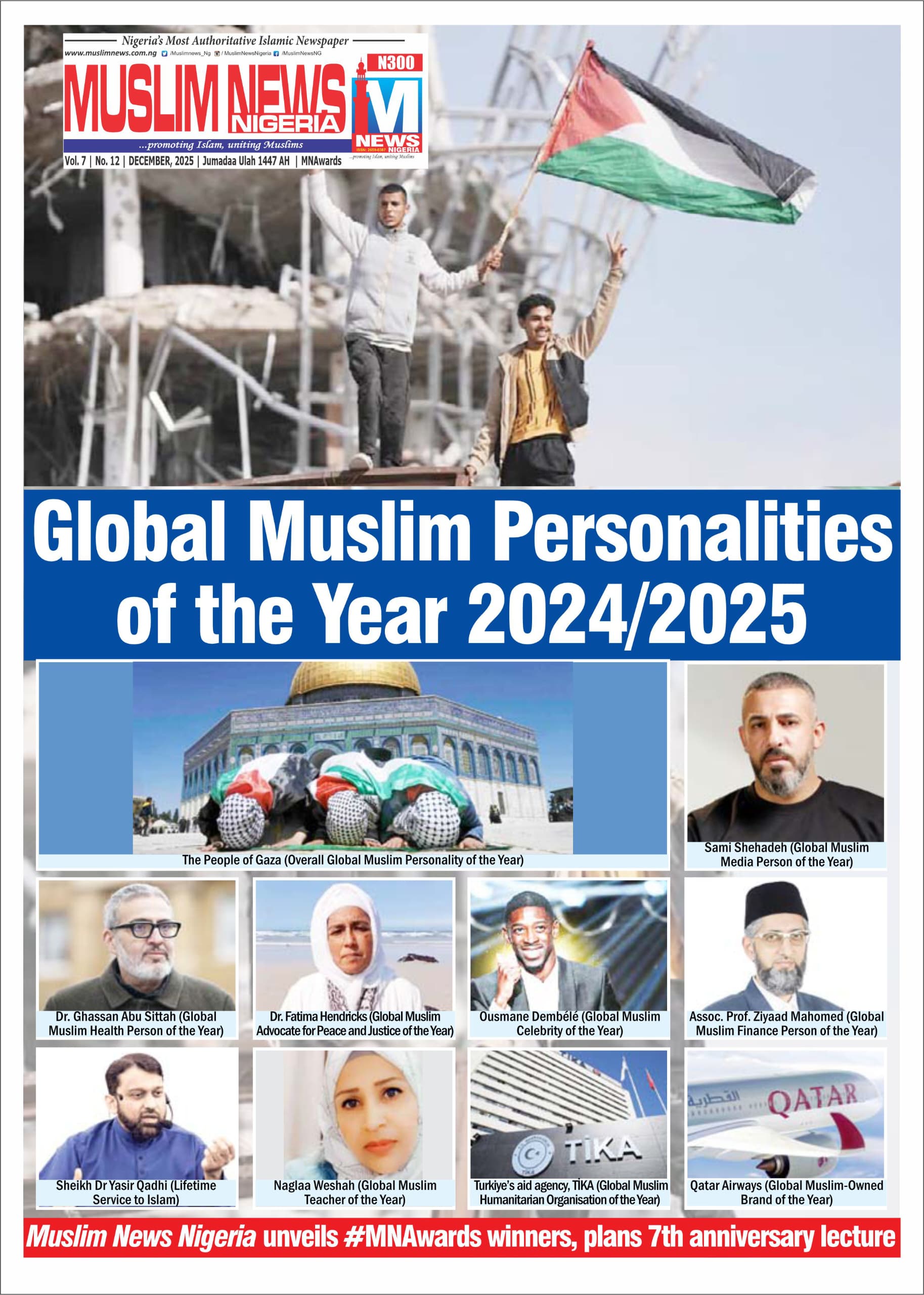
Global Muslim Personalities of the Year 2024/2025



Discover more from Muslim News Nigeria
Subscribe to get the latest posts sent to your email.