

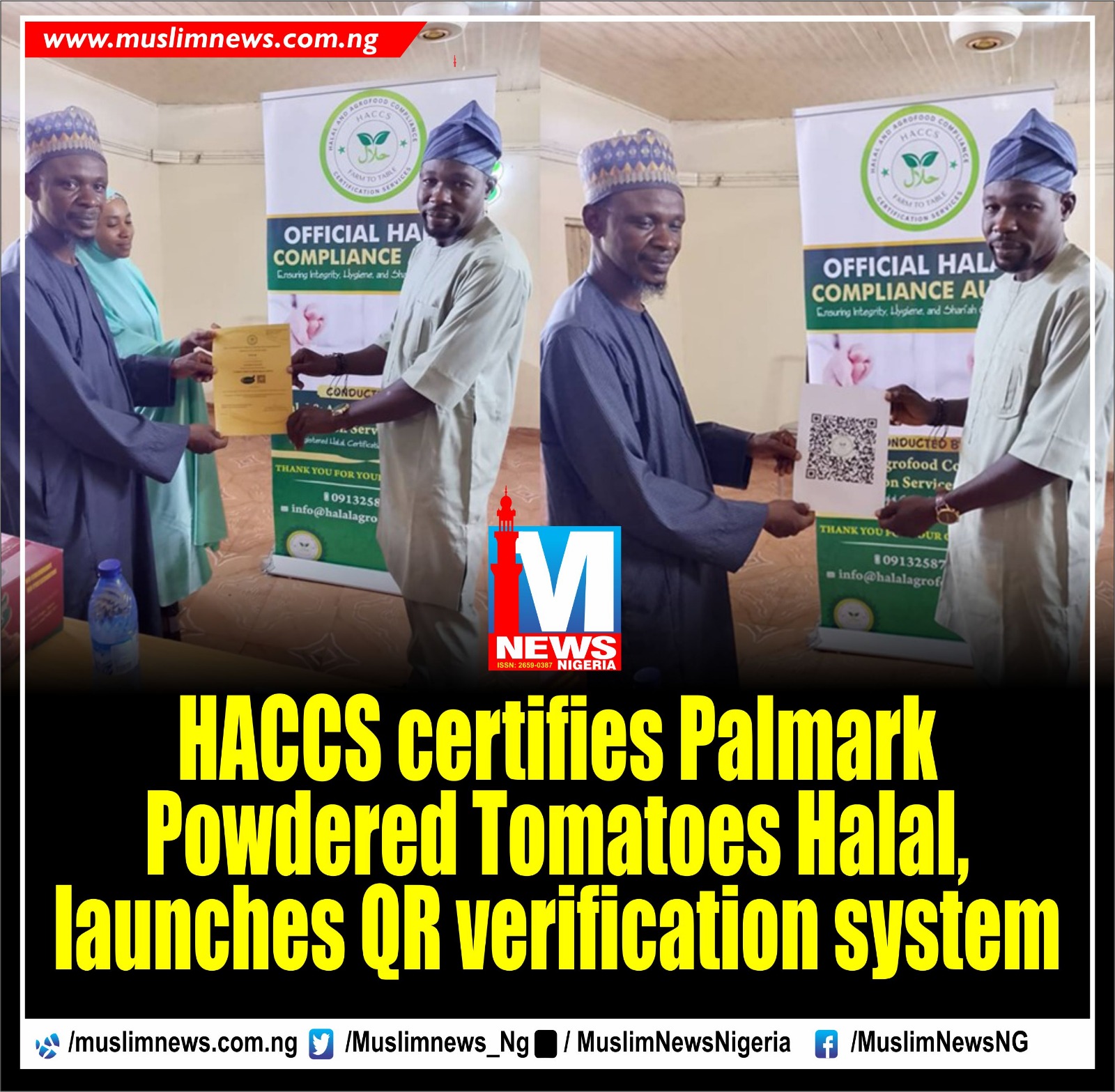
Halal and Agrofood Compliance Certification Services (HACCS) has certified Palmark Powdered Tomatoes as halal compliant and introduced a QR code based verification system to strengthen transparency and consumer confidence in Nigeria’s halal certification industry.
The powdered tomato product is manufactured by Palmark Syndicate Limited, while the certification process was conducted by HACCS as part of efforts to improve traceability and credibility in the halal food market.
Under the new system, consumers can verify the authenticity of the halal certification by scanning the QR code printed on the product package with a smartphone. The scan links directly to the certifier’s website, where the certification status of the product can be confirmed instantly.
HACCS described the innovation as the first QR based verification system introduced for halal certified consumer products in Nigeria, saying the initiative represents a major step in modernising halal compliance mechanisms in the country.
Speaking on the development, the Chief Executive Officer of HACCS, Dr Muhideen Amusa, said the certification initiative reflects the organisation’s commitment to deploying technology driven solutions that improve accountability and reinforce public trust in halal certified products.
“This certification goes beyond labeling. It is a comprehensive assurance process that integrates Islamic dietary principles, food safety auditing, and scientific analysis. The introduction of QR code verification provides consumers with real time access to certification data, which is critical for building trust in the halal ecosystem,” Dr. Amusa said.
According to Dr Taofeek Thani Muhammed, Chairman of the HACCS Halal Certification Panel, the halal certification followed internationally recognised auditing procedures and halal assurance systems covering every stage of production.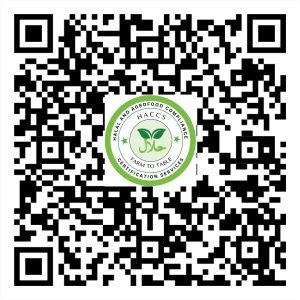
He explained that the process involved detailed compliance checks from raw material sourcing to processing, storage and distribution to ensure that the product met both Islamic dietary standards and food safety requirements.
Dr. Muhammed added that the audit was conducted by experts in Islamic studies and food microbiology under HACCS supervision to ensure the integrity of the certification outcome.
Industry stakeholders say the introduction of digital verification tools could help tackle persistent concerns over authenticity and standardisation in Nigeria’s halal market, particularly in the processed food segment where consumers often have limited means of confirming certification claims.
They noted that integrating QR code verification into halal certification has the potential to improve traceability, reduce misinformation, and enhance consumer trust in products carrying halal labels.
HACCS urged consumers to remain confident in products that have undergone recognised halal certification procedures, stressing that halal compliance extends beyond adherence to Islamic dietary laws to include rigorous quality assurance and food safety standards.
The organisation said the certification of Palmark Powdered Tomatoes demonstrates the growing shift toward technology backed halal certification systems in Nigeria as industry stakeholders seek to improve transparency and position the country for greater participation in the global halal economy.
The development also highlights increasing efforts within Nigeria’s halal sector to adopt systems that support traceability, accountability and international competitiveness as demand rises for trusted halal certified food products.
Sponsored

Sponsored

Nigerian Muslim Personalities of the Year 2024/2025

Global Muslim Personalities of the Year 2024/2025




Discover more from Muslim News Nigeria
Subscribe to get the latest posts sent to your email.