

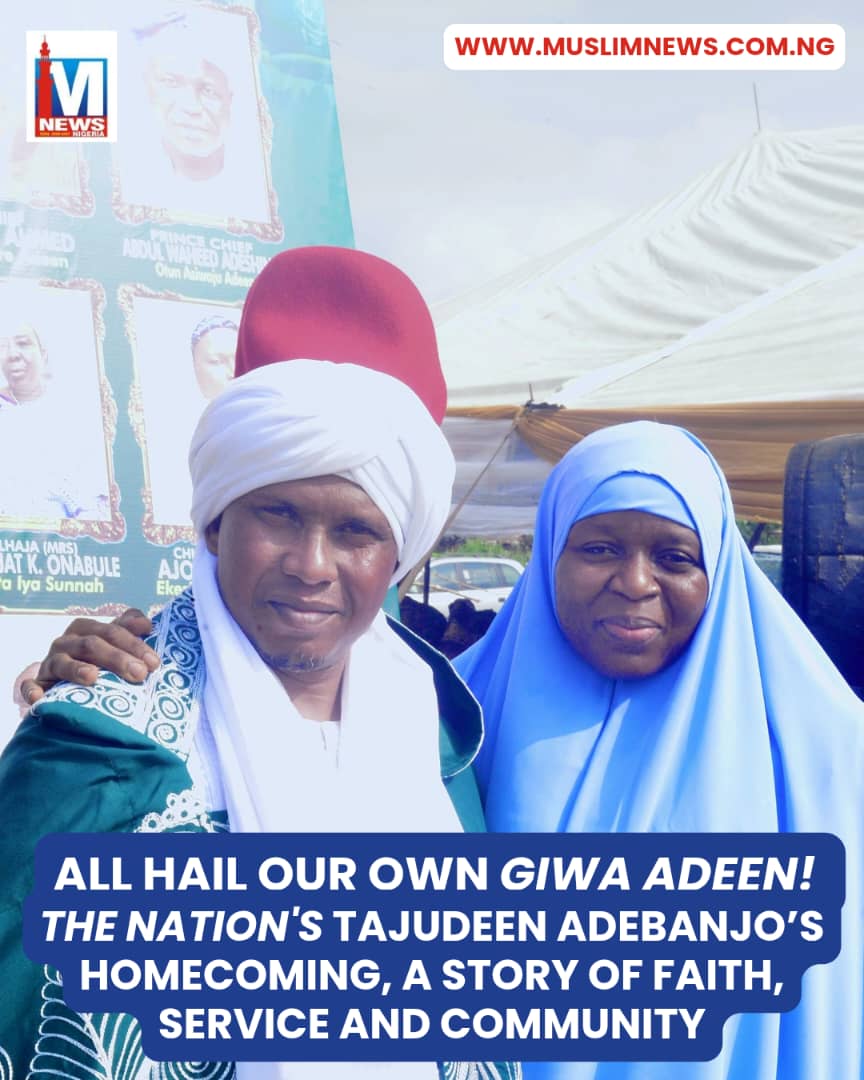
From the affectionate cheers of community boys to the tender moment his wife adjusted his ceremonial attire, Alhaji Tajudeen Adebanjo’s installation as Giwa Adeen of Imodi-Ijebu was more than a celebration of a new title. It was a homecoming that brought together his professional achievements, Islamic commitment, family support and enduring bond with his people.
“Our own Giwa Adeen!”
The affectionate cheers rang out as friends, admirers and community members celebrated Alhaji Tajudeen Adebanjo, a journalist with The Nation, following his installation as Giwa Adeen of Imodi-Ijebu, Ogun State.
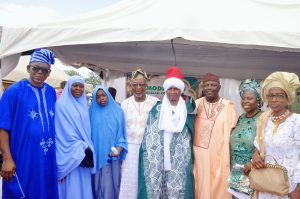
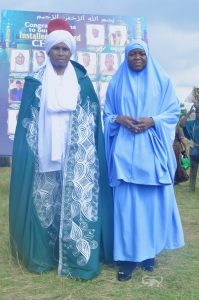
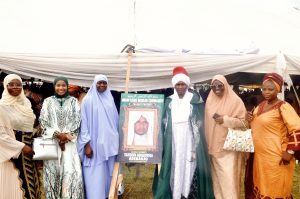
At the red carpet, a tender scene unfolded as his wife, Alhaja Hafsah Adebanjo, carefully adjusted his ceremonial attire shortly after he was turbaned alongside 19 other distinguished sons and daughters of the community. Dressed in a matching light blue gown and full-length hijab, she stood beside her husband, helping him look his best for the occasion.
Moments later, the couple walked hand in hand, warmly welcoming guests and attending to well-wishers. Their quiet display of affection offered a glimpse into the family support behind the journalist’s public life as he embraced a new responsibility in his hometown.
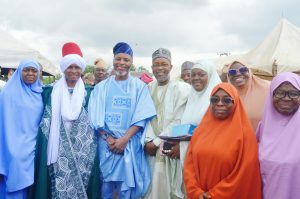
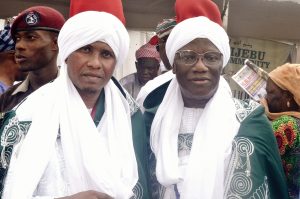
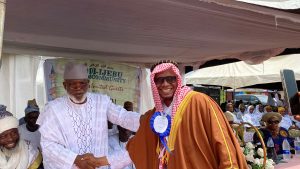
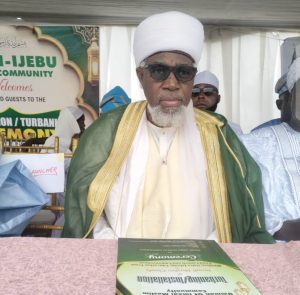
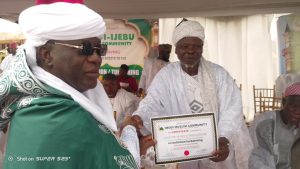
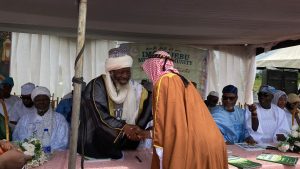
The ceremony, held on Saturday, October 10, 2026, at Titilayo Agbaje Memorial Comprehensive High School (TAMCO), Imodi-Ijebu, in Odogbolu Local Government Area of Ogun State, brought together community leaders, Islamic scholars, journalists, family members and other well-wishers.
The installation of the 20 title holders also provided an opportunity to mobilise support for the community’s development, with a ₦1 billion fundraising initiative launched during the event.
An honour close to his heart
For Adebanjo, the title carries significance beyond public recognition. It represents a connection to the community where his commitment to Islam and service began and where he continues to hope for meaningful change.
“I feel elated, and I’m quite happy that the community chose to honour me. It also shows that the community has been following my trajectory all the way,” he said.
His relationship with Imodi-Ijebu’s Muslim community stretches back years, including his involvement in the Muslim Students’ Society of Nigeria (MSSN), where he served as General Secretary of the Ijebu-Imodi Central Branch.
His involvement in Muslim student activism continued in Lagos, where he served as Public Relations Officer of the MSSN Mushin Central Branch. At Lagos State University (LASU), he also served as PRO of the Communication Arts Students Association.
Over the years, Adebanjo has maintained links with his hometown, returning to participate in da’wah and other activities aimed at strengthening the Muslim community. His installation, therefore, was not simply an honour bestowed on a successful journalist living away from home, but recognition of a relationship he has continued to nurture.
Journalism as a channel for service
With more than two decades of experience in journalism, Adebanjo has built a career that combines reporting, public affairs and Islamic communication. At The Nation, he heads the Motoring, Grassroots and Religious Affairs Desks, bringing together different areas of public interest in his professional work.
His engagement with Muslim organisations has also made him a familiar figure in Islamic media and advocacy circles. He has served as a Media Ambassador of the Nigerian Supreme Council for Islamic Affairs (NSCIA) and contributed to the media teams of the Jama’atu Nasril Islam (JNI) and the Muslim Ummah of South West Nigeria (MUSWEN).
Since 2010, he has also been involved in media teams covering Hajj activities through the Lagos State Muslim Pilgrims Welfare Board and the National Hajj Commission of Nigeria (NAHCON), including assignments in Saudi Arabia.
For those who have worked closely with him, his career reflects the importance of using journalism not only to inform the public but also to communicate the concerns, achievements and aspirations of Muslim communities.
Shuaib urges Adebanjo to make Giwa Adeen title a platform for service
Dr Abdullahi Shuaib, Chairman of the Board of Trustees of the Abdullahi Shuaib Foundation, described Adebanjo as a Muslim brother, confidant, friend and mentee of nearly two decades.
He called him a “bundle of talents and a selfless servant of Allah”, while emphasising that the new title should deepen his commitment to service.
According to Shuaib, traditional and community honours should inspire their recipients to serve more, rather than become sources of pride or superiority.
He urged Adebanjo to remain generous, God-conscious and attentive to the needs of underserved people, including the poor, widows and orphans.
The advice places the honour within a broader Islamic understanding of leadership: that recognition comes with responsibility and that service to people should remain central to public life.
‘A well-deserved honour’
Alhaji Abdulfattah Olajide, a veteran journalist and member of the Muslim Media Practitioners of Nigeria (MMPN), Lagos State chapter, also congratulated Adebanjo on his installation.
Describing him as a younger brother and professional colleague, Olajide said the title was well deserved in recognition of his contributions to Islamic activism and his efforts to promote Islam through journalism.
His remarks highlighted the role of Muslim media practitioners who use their professional skills to report on Islamic affairs, support community initiatives and ensure that Muslim perspectives receive attention in the wider media landscape.
Oladejo hails Adebanjo’s commitment to UMA, MUSWEN
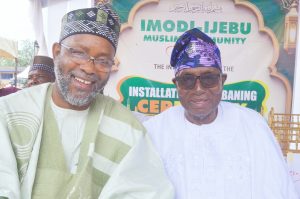
Alhaji Rasaki Oladejo, President of MUSWEN, similarly praised Adebanjo’s commitment to Muslim organisations, particularly the University of Lagos Muslim Alumni (UMA) and MUSWEN.
“I want to say that he is a person to admire for his commitment to the ideals of UMA. He has been carrying us very far at MUSWEN, giving us a better image all the time,” Oladejo said.
The woman behind the moment
The red-carpet moment between Adebanjo and his wife offered a personal dimension to the public celebration. While the title recognised his service and achievements, her presence reflected the partnership that often sustains a person’s work beyond the public eye.
Alhaja Hafsah Adebanjo said she believed that sincere efforts and acts of service would not go unnoticed. She praised her husband’s sincerity, selflessness and generosity, adding that she had continued to encourage him in his commitments.
“I have been his cheerleader and supporter in all he intends to do. I will always encourage him to do the right and needful. I will remain his safe place at all times,” she said.
She expressed her intention to continue praying for him and hoped that the title would translate into tangible development for their hometown.
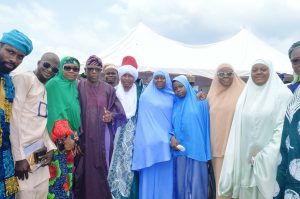
Her words gave a deeper meaning to the image of the couple walking hand in hand after the installation. Beyond the ceremonial attire and public congratulations, the moment spoke to the importance of companionship, encouragement and shared hopes for the future.
A title with a development responsibility
For Adebanjo, the recognition will mean little if it does not contribute to improving life in Imodi-Ijebu. He wants the community’s title holders to work collectively towards practical solutions to local challenges, particularly those affecting young people.
He identified infrastructure, women’s and youth empowerment, information technology education, healthcare and agriculture as areas requiring attention.
One of his concerns is the movement of young people from the community to Lagos and other urban centres in search of better opportunities. He believes the community must create conditions that allow them to build sustainable livelihoods at home.
“We should find a way of letting the youth remain in the community by doing something worthwhile that can help them make a good living,” he said.
He also called for better markets for locally produced farm goods and improved access to healthcare, arguing that development should create opportunities while strengthening the community’s social fabric.
Adebanjo stressed the importance of peaceful relations among Muslims, Christians and traditionalists, saying that the community’s progress would depend partly on its ability to work together across religious differences.
“The younger generation should believe in their town,” he said, urging them to recognise the possibilities within their community and contribute to its growth.
The remaining 19 nominees honoured
The other honourees included Baba Adeen of Imodi Muslim Community, Dr Alhaji Chief Abdul Fatah Olumide Owolabi Olufowobi; Aare Musulumi of Imodi Muslim Community, Alhaji Ishaq Titilayo Ayodele Sanni; Balogun Adinni, Prince Alhaji Ismaheel Adeyanju Yekinni; Otun Arowosadeen, Alhaji Chief Ibraheem Opeyemi Mustapha; Otun Aare Musulumi, Chief Yunus Ahmed; Otun Giwa Adeen, Alhaji Chief Musiliyu Hussaini; and Otun Balogun Adeen, Alhaji Chief Oduwole Azeez Omoyemi.
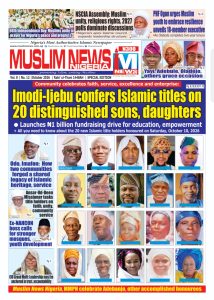
Others were Otun Asinwaju Adeen, Prince Chief Abdul Waheed Adeshina Sanni; Sarumi Adeen, Prince Chief Abdul Rasheed Rotimi Lawal; Alatunse Adeen, Alhaji Chief Abdulwakeel Akorede Baoku; and Otun Mogaji Adeen, Alhaji Chief Abdulmojeed Adeyemi Agbaje.
The female honourees included Eketa Iya Sunnah, Alhaja Chief Mrs Khadijat Kuburat Aribike Onabule; Ekerin Iya Sunnah, Chief Mrs Azeezat Ajoke Sanni; Otun Agbesinga Adeen Obinrin, Chief Mrs Salamot Afolashade Adesanya; Otun Iya Adeen, Chief Mrs Wosilat Rabiu Oduba; Otun Iyalode Adeen, Chief Mrs Balikis Morenike Hassan; Otun Alatunse Adeen Obinrin, Chief Mrs Jemilat Modupe Lawal; Otun Osupa Adeen, Chief Mrs Alimot Modupe Oresajo; and Otun Asiwaju Adeen Obinrin, Alhaja Chief Mrs Risikat Oluwakemi Arowolo.
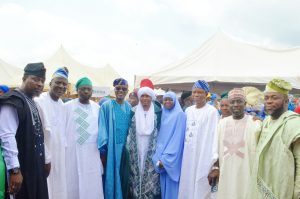
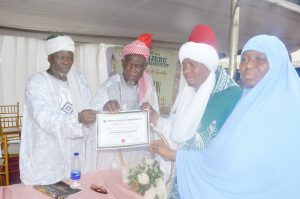
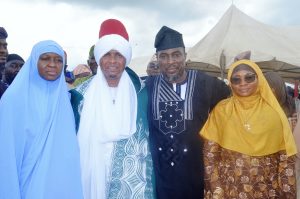
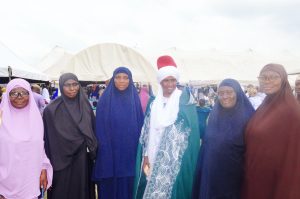
Other beautiful faces at the event
Sponsored
Sponsored

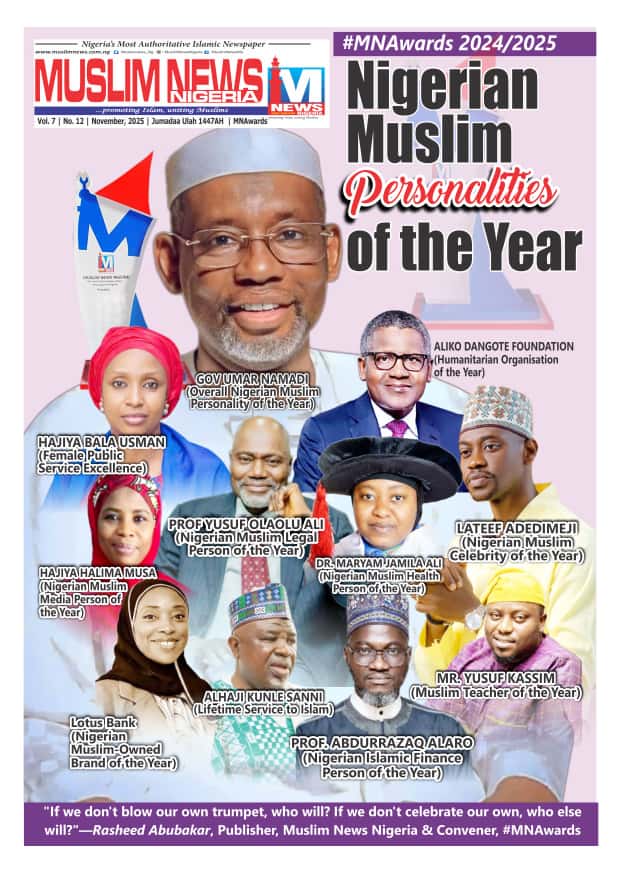
Nigerian Muslim Personalities of the Year 2024/2025
Global Muslim Personalities of the Year 2024/2025




Discover more from Muslim News Nigeria
Subscribe to get the latest posts sent to your email.