

* Justice Sayi urges Muslims to reclaim economic dignity through Islamic wealth ethics
• ‘Show Me the Market’ series will connect Muslims with halal investment opportunities, says convener
Islamic scholars, finance professionals and industry experts have called on Muslims to embrace halal wealth creation, ethical finance and responsible investment as pathways to reclaiming economic dignity and building sustainable prosperity.
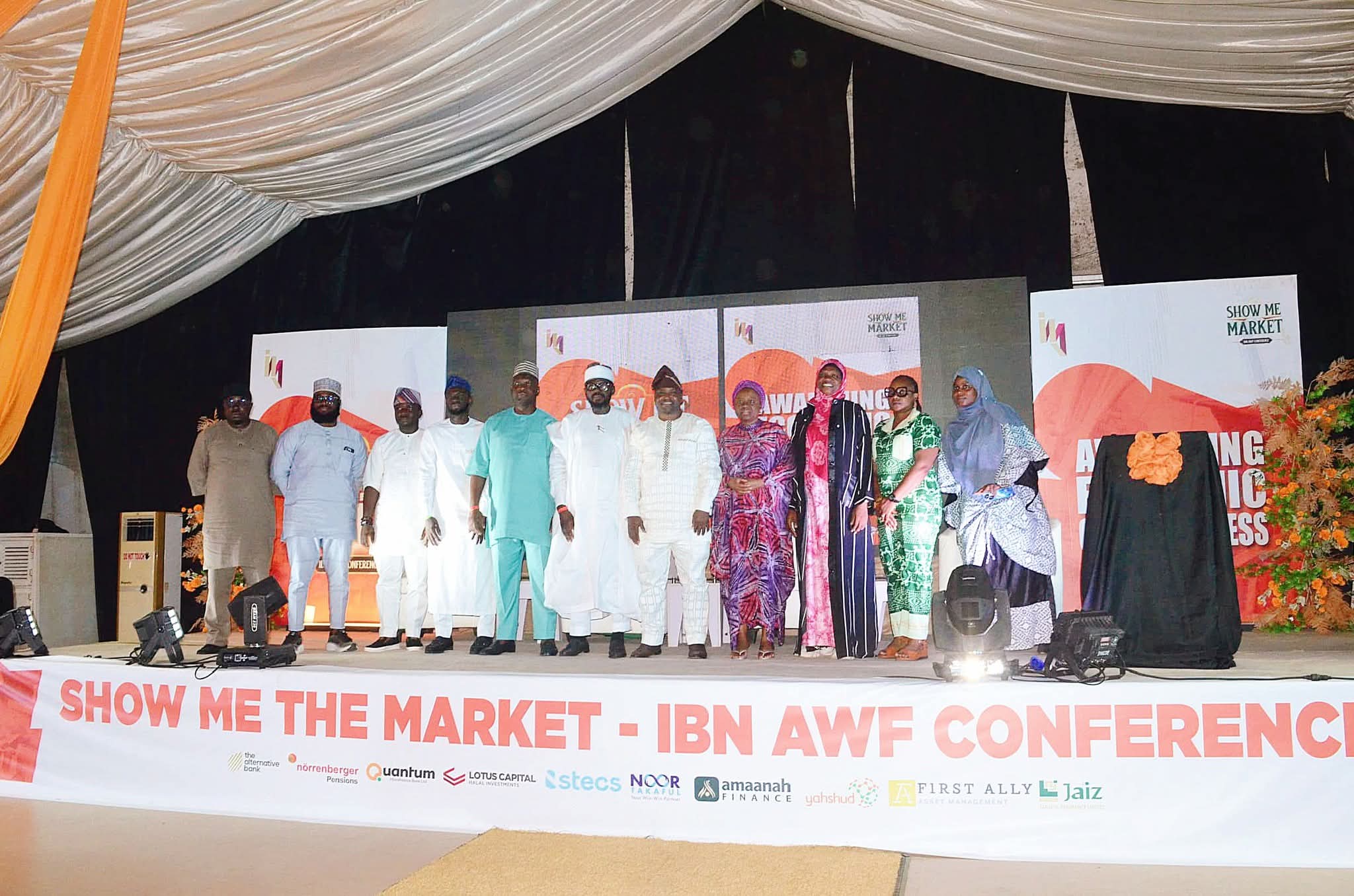
The call was made at the Ibn Awf Conference 0.1, organised by Imani Hive under its Show Me the Market initiative.
The conference, themed “Awakening Economic Consciousness,” was held on Saturday, August 1, 2026, at Caritas Event Centre, Ibeshe Road, Ikorodu, Lagos.
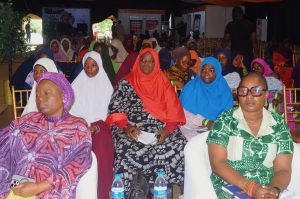
The event brought together Islamic scholars, financial experts, investors, entrepreneurs and professionals to examine opportunities in halal investment, Islamic finance, Takaful insurance and ethical wealth creation.
Speakers included the Kadi of the Kwara State Sharia Court of Appeal, Hon. Justice AbdurRaheem Ahmad Sayi; Group Chief Executive Officer of Arthur Group and President of the Nigeria Islamic Finance and Investment Association, Dr. Basheer Oshodi; Managing Director and Chief Executive Officer of Marble Capital Limited, Dr. Akeem Oyewale, who was represented by the firm’s Shariah Analyst, Mustakeem Thanni; and Chief Business Development Officer of Noor Takaful Insurance Limited, Ismaeel Ayanlere.

Beyond their individual presentations, Dr. Basheer Oshodi and Ismaeel Ayanlere later joined the Chief Executive Officer of Lotus Capital Financial Services, Karimat Toyin Kekere Ekun, and the Executive Director, Technical, Norrenberger Pensions, Rabiu Adamu, for a panel discussion that offered participants practical insights into halal investments, ethical finance and wealth preservation.
Justice Sayi calls for Islamic wealth ethics to restore economic dignity
Delivering the keynote address titled “Reclaiming Economic Dignity: Islamic Wealth Ethics in Today’s Economy,” Justice Sayi said the world’s economic challenges are not merely financial but also moral, describing the present reality as a crisis of justice, accountability and human dignity.
“The economic crisis of our time is not merely a crisis of money. It is also a crisis of human dignity, justice and moral responsibility,” he said.
Justice Sayi explained that Islam does not condemn wealth but regards it as a trust from Allah to be acquired lawfully, managed responsibly and utilised for the benefit of society.
According to him, Muslims must constantly evaluate both the sources of their wealth and how they spend it because they will ultimately account for every blessing before Allah.
“The question is not simply, ‘How much wealth do I possess?’ but also, ‘How did I acquire it, how do I use it, and what responsibility do I have towards others because of it?'” he said.
He identified service, commerce and social financing as the three major channels through which wealth should circulate, stressing that economic dignity can only be achieved when these are governed by justice, integrity and consciousness of Allah.
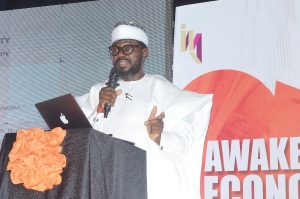
Justice Sayi warned against greed, saying the real problem is not possessing wealth but becoming enslaved by it. “The problem is not the possession of wealth but the uncontrolled attachment to it,” he said.
The respected jurist also condemned riba, labour exploitation, corruption, unjust enrichment, hoarding and extravagance, saying Islam provides a comprehensive ethical framework built on justice, moderation, accountability and social solidarity.
He urged employers to pay workers fairly and promptly, recalling the Prophetic instruction to “Give the worker his wages before his sweat dries.”
Justice Sayi further encouraged Muslims to strengthen zakat, sadaqah, waqf and other forms of social financing so that wealth circulates throughout society rather than remaining concentrated among a privileged few.
“The objective is not merely to create wealth but to create an economy in which wealth contributes to human dignity, justice and social stability,” he added.
Takaful is the halal way to protect wealth, says Ayanlere
Speaking on “Protecting Wealth the Halal Way: Takaful Insurance,” Ismaeel Ayanlere said Islam encourages not only wealth creation but also wealth preservation through ethical and Shariah compliant financial systems.
“Wealth creation is highly encouraged in Islam. Poverty is not piety. Islam promotes productivity, trade, investment, entrepreneurship and responsible financial planning,” he said.
Ayanlere described Takaful as a Shariah compliant system of mutual protection founded on cooperation, compassion and shared responsibility rather than commercial risk transfer.
“Takaful is not merely a financial product. It is a system of mutual care, ethical responsibility and community protection,” he said.
He explained that Takaful protects wealth, life, family and human dignity while avoiding riba, excessive uncertainty and gambling.
“It is not you versus the insurance company. It is we protect one another together,” he said.
Using practical illustrations, he explained how Takaful can support families during medical emergencies, help business owners recover from disasters and protect individuals against financial hardship without violating Islamic principles.
He also rejected the misconception that seeking financial protection contradicts reliance on Allah.
“The Prophet taught us to tie our camel and trust Allah. Tawakkul is not negligence,” he said.
Ayanlere encouraged Muslims to take advantage of Shariah compliant investment funds, Takaful products and other ethical financial services offered by licensed operators in Nigeria.
Character offers stronger protection than regulations – Oshodi
In his presentation, Dr. Basheer Oshodi argued that character provides stronger protection than regulations because financial misconduct often begins with moral failure rather than legal loopholes.
“Rules can be gamed. Character cannot,” he said.
He observed that many modern financial systems reward information asymmetry, short term gains and technical compliance without genuine accountability.
According to him, Islamic finance places greater emphasis on trusteeship, transparency, full disclosure and justice.
He said every financial transaction should answer three important questions: Where did the wealth come from? How is it held? Where does it go?

Dr. Oshodi explained that economic dignity means treating every buyer, seller, investor and employee as “a trustee of value, not a target for extraction.”
He added that businesses should embrace Adl (justice) as the minimum standard and Ihsan (excellence) as the ultimate goal.
“Ethics is not the cost of doing business. It is the foundation that allows business to grow sustainably,” he said.
Islamic wealth ethics can solve today’s economic challenges, says Oyewale
Mustakeem Thanni, who presented the prepared paper on behalf of Dr. Akeem Oyewale, said Islamic wealth ethics provides practical solutions to today’s economic challenges, including inflation, unemployment, inequality, corruption and debt.
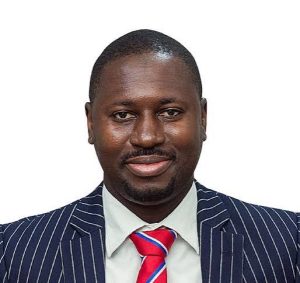
He described economic dignity as the ability to earn a lawful livelihood, meet basic needs and participate productively in society without exploitation.
According to him, the foundations of Islamic wealth ethics include trusteeship, halal earnings, justice in wealth distribution, prohibition of riba and social responsibility.
He noted that Islamic finance shares common objectives with global Environmental, Social and Governance principles through its emphasis on transparency, accountability, ethical investment and financial inclusion.
Oyewale urged governments, businesses and financial institutions to strengthen ethical entrepreneurship, improve financial literacy, expand Islamic finance products and support small businesses through responsible financing.
“Prosperity should not be measured by accumulation alone but by its ability to uphold human dignity, reduce inequality and strengthen communities,” he said.
Convener urges Muslims to embrace Halal wealth creation
Convener of the conference and Chief Executive Officer (CEO) of Imani Hive, Hajiya Khadijah Olabisi Tebun, said the Show Me the Market initiative was inspired by the story of the renowned Companion of Prophet Muhammad, AbdulRahman Ibn Awf, who asked to be shown the marketplace instead of accepting financial assistance after migrating to Madinah.
She said the story reflects Islam’s encouragement of entrepreneurship, self reliance and lawful wealth creation.
“I wanted Muslims to understand the enormous opportunities within the halal economy. Many of these opportunities exist, but our people often do not have access to the information,” she said.
Hajiya Tebun challenged the misconception that Islam discourages wealth, insisting that financially empowered Muslims are better positioned to support education, healthcare, humanitarian causes and community development.
“A wealthy Muslim is better than a poor one because wealth allows you to serve humanity and support the cause of Allah,” she said.

She urged Muslims to cultivate reading habits, seek financial knowledge, ask questions and utilise digital platforms that provide access to Shariah compliant investment opportunities.
“If you want to become financially successful, learn from those who have already succeeded and ask Allah to guide you,” she advised.
Tebun announced that Imani Hive would continue engaging participants through a dedicated database that would provide updates on halal investment opportunities, financial education and future programmes.
“This is only the beginning. This is Show Me the Market 1.0. We are building a community that will continue to share knowledge and opportunities for halal wealth creation,” she concluded.
Sponsored
Sponsored

Nigerian Muslim Personalities of the Year 2024/2025
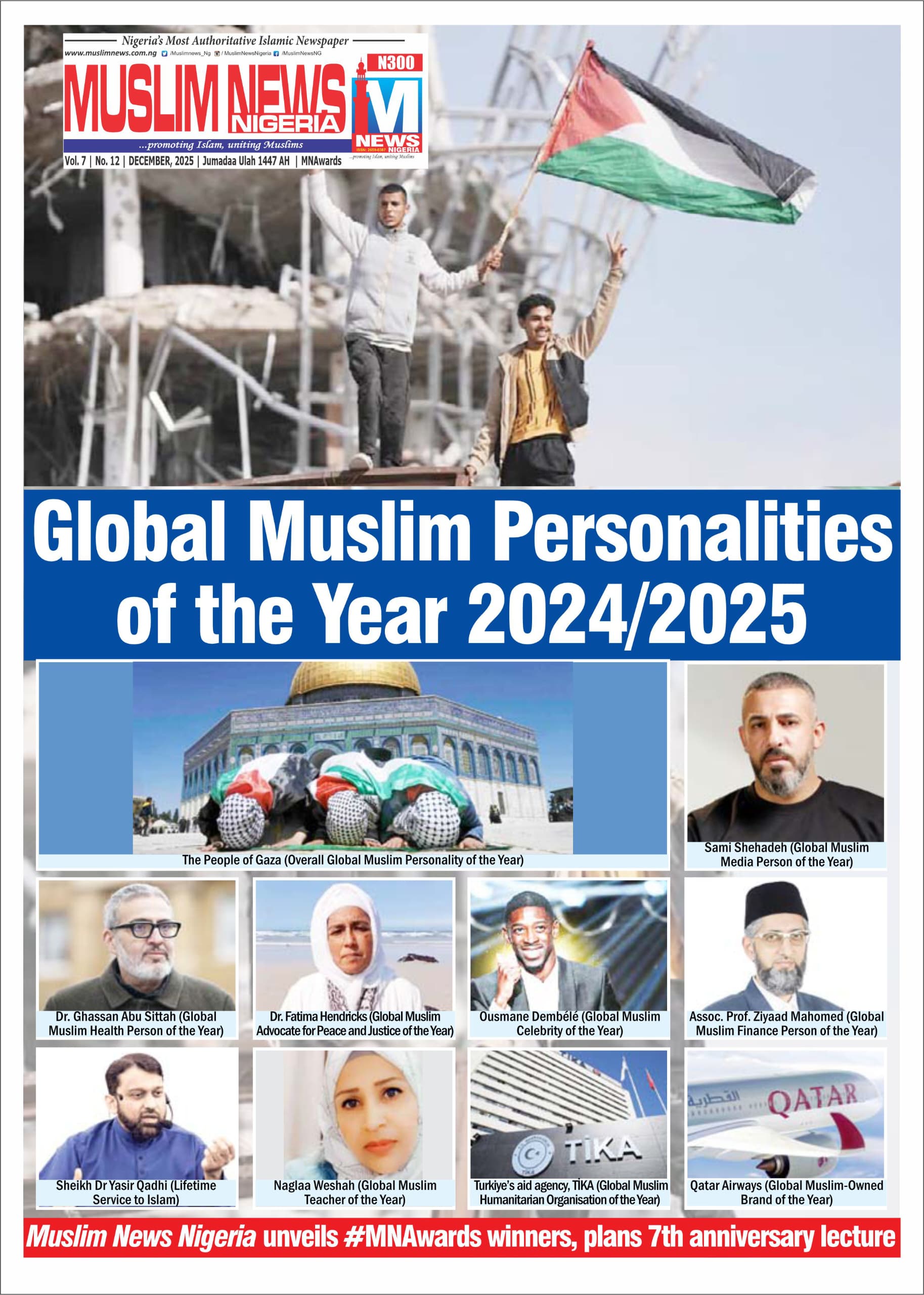
Global Muslim Personalities of the Year 2024/2025



Discover more from Muslim News Nigeria
Subscribe to get the latest posts sent to your email.