

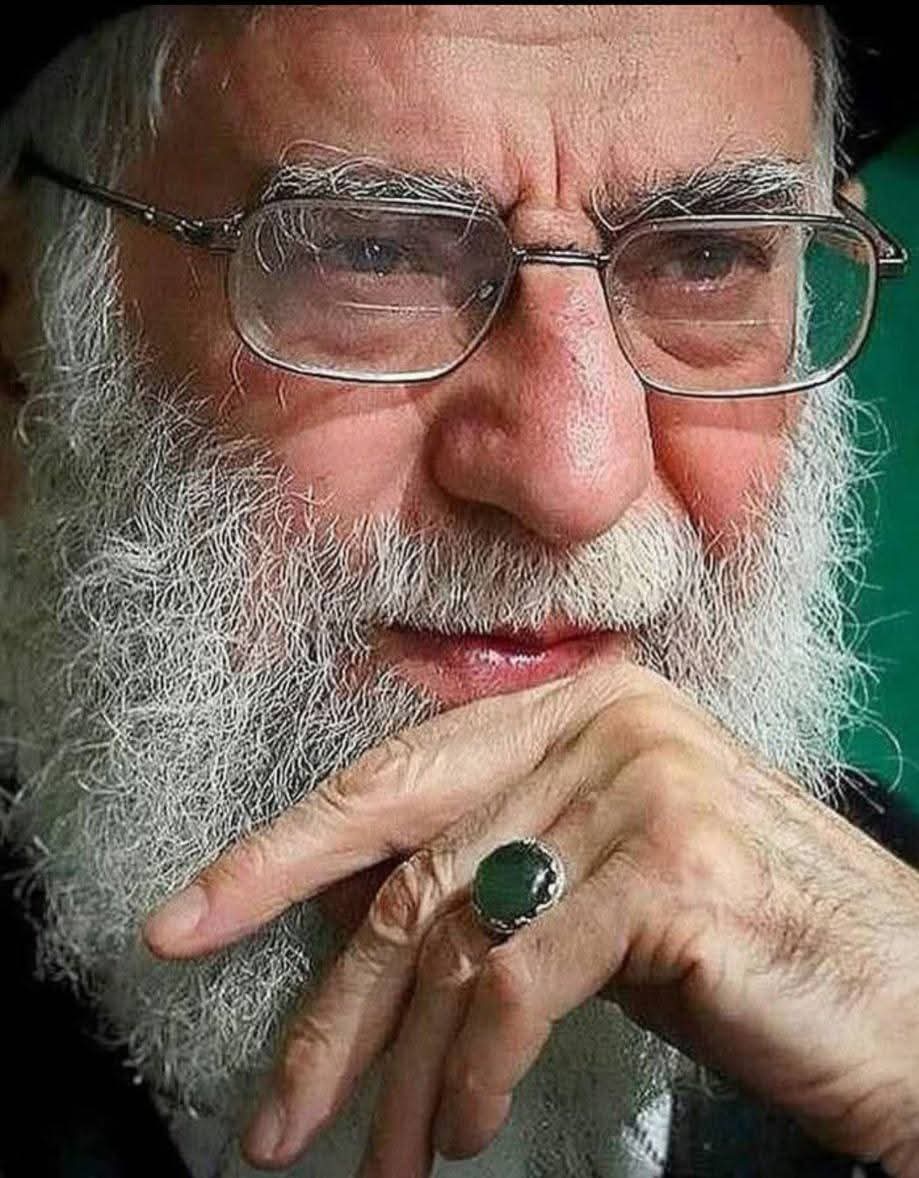
In a shocking and brazen act of state-sponsored terrorism, Iran’s Supreme Leader Ayatollah Ali Khamenei was killed in a joint US-Israel strike on February 28, 2026, in Tehran. The operation, codenamed “Epic Fury” by the US and “Roaring Lion” by Israel, targeted Khamenei’s secure compound, also killing several senior officials and family members.
The operation, which has sent shockwaves across the region, is the latest chapter in a decades-long saga of Western interference and betrayal in Iran.
Seventy years ago, Iran was on the cusp of modernity that the West calls for today in Iran: women in mini skirts, rock ‘n’ roll music filling the air, and a democratically elected government led by Prime Minister Mohammed Mossadegh.
However, this Westernisation progress was short-lived when in 1953, Prime Minister Mossadegh was toppled in a CIA and MI6 backed coup, called “Operation Ajax”. His sin? He nationalized Iran’s oil, so Iran could gain most from its own resources.
Prior to Mossadegh’s nationalization, British Petroleum had taken 80% of all profits to Britain, leaving the remaining 20% to be shared by corrupt Iranian officials. Ordinary Iranians suffered. The coup installed the Shah, paving the way for a 26-year reign of suppression and exploitation.
The Shah’s regime, armed and trained by the US, brutally crushed dissent, while Western corporations reaped the benefits of Iran’s de-nationalized oil. Kermit Roosevelt, the grandson of President Roosevelt, the CIA’s coup mastermind, was rewarded with the vice-presidency of Gulf Oil, which gained control over Iran’s de-nationalized oil fields, overseeing the exploitation of Iran’s resources.
The Western media celebrated the CIA coup against Mossadegh. The New York Times editorialized at the time: “Underdeveloped countries with rich resources now have an object lesson in the heavy cost that must be paid by one of their number which goes berserk with fanatical nationalism.” The words of the imperialists and their media are of necessity different today than those used in the 1953 Times’ editorial, but the sentiment remains the same.
Sickened by Shah Pahlavi’s flirtation with the West, and the terror unleashed by his US-armed secret police, SAVAK, to torture, kill, and disappear thousands of Iranians who dared to oppose him, the Iranian people rose up, and the Islamic Revolution swept the Shah from power in 1979. The US, which had supported the Shah, became the target of Iranian anger, and the US embassy in Tehran was besieged by Iranian youth for 444 days, from November 4, 1979, to January 20, 1981. The crisis ended with the signing of the Algiers Accords and the release of the hostages on January 20, 1981, minutes after President Ronald Reagan’s inauguration.
The US, still reeling from the 1979 revolution, backed Iraq’s invasion of Iran, fueling a devastating conflict that claimed over 1 million lives. Saddam Hussein’s regime received US-supplied chemical weapons, including mustard gas and nerve agents, which killed thousands of Iranians. The US also provided mines, forcing Iranian youths to clear them at great cost in lives. This 1980-1988 war ravaged Iran’s economy and people, leaving deep scars.
Iran’s Arab neighbors, rather than standing in solidarity with their Persian counterpart, often played a treacherous role, allying with the West against Iran. Gulf monarchies, fearing the spread of Iran’s revolutionary ideology, provided financial and logistical support to Iraq, enabling Saddam Hussein to prolong the war and inflict further suffering on Iran.
In a cynical bid to bolster their respective positions, both sides sought to exploit the region’s religious fervor, recruiting, sponsoring, and employing Sunni and Shia clerics to wage mutual theological campaigns aimed at demonizing the other. Iran’s clerical establishment, bolstered by its revolutionary zeal, sought to export its ideology, while the Gulf monarchies, backed by Western allies, countered with their own brand of Islam, demonizing Iran’s Shia ideology as heretical and threatening to the established order.
The US continued to exert pressure on Iran through decades of sanctions, aimed at crippling its economy, isolating it internationally and seeking to restore Iran to a state of neo-colonial dependence, with its resources exploited for Western gain. This policy of “maximum pressure” has been a constant theme in US-Iran relations, with the US seeking to limit Iran’s nuclear program, its support for regional allies, and its regional ambitions.
However, the killing of a legitimate foreign leader, engaged in peaceful negotiations at the time of his assassination by these international gangsters, will continue to have far-reaching implications for the region and the world. The unilateral military action by the US and Israel has effectively constituted them as international outlaws, flouting global rules and norms. Iran has vowed retaliation and vengeance. Beyond what Iran will be able to achieve, all within its legitimate right, the brazen display of power by the US-Israel axis will likely prompt nations to reassess their security options, with nuclear development emerging as a viable deterrent.
The logic is stark: countries without nuclear capabilities are vulnerable to aggression, while those with them are more secure. This is why the US will never consider attacking North Korea or by bombing his residence, killing him, his family and officials. This isn’t a celebration of nuclear weapons, but a tragic consequence of a broken international system. When might makes right, fear becomes the guiding principle, and nuclear proliferation accelerates.
The US and Israel’s actions have undermined global stability, creating a world where nations prioritize self-preservation over cooperation. This slow march toward disaster is the antithesis of peace; it’s a recipe for catastrophe. As nations scramble for security, the risk of nuclear conflict grows, threatening global safety.
The international community faces a stark choice: uphold a rules-based order or succumb to a US-dominated world where might makes right. In this alternative, fear and intimidation dictate actions, sovereignty is negotiable, and ransom payments by wealthy nations become the norm. This isn’t global governance; it’s a recipe for chaos, where power, not principle, shapes the world.
The assassination of 86 years old Ayatollah Khamenei in Ramadan is a grave escalation, and the international community must demand accountability from the US and Israel for this act of state-sponsored terrorism. The Iranian nation will not be intimidated, and the legacy of Imam Khamenei will live on as a symbol of resistance against Western imperialism.
As the world grapples with the potential fallout from unprovoked US and Israel military actions in Iran, it’s crucial to remember that the struggle for justice transcends individual leaders. The principles of Islam teach us that leaders come and go, but the truth they uphold remains. The actions of Israel and America in attempting to dismantle the Iranian cause for independence, freedom and sovereignty by removing its leader are nothing new – history has shown time and again that such tactics only fuel the flames of resistance.
Imam Khamenei’s departure would not signal the end of the resistance against domination, occupation, and tyranny. Not even if his successor is equally martyred. Instead, it would mark a shift in responsibility, spreading the mantle of leadership to those who continue to fight for justice. This is not about blind loyalty to a person, but about a collective commitment to a cause greater than any individual
The fight against secular nationalism, Zionism, and American imperialism will persist, driven by the desire for self-determination and freedom. As the situation unfolds, one thing is clear: the struggle for justice will continue, regardless of which Iranian leader America kills next, regardless of who is at the helm.
May the martyrdom of Imam Khamenei strengthen the resolve of the Iranian nation to follow the path of Imam Khamenei.
———
Disu Kamor is the Executive Chairman of Muslim Public Affairs Centre, MPAC, Nigeria. E-mails: kamor.disu@mpac-ng.org
Sponsored
Sponsored

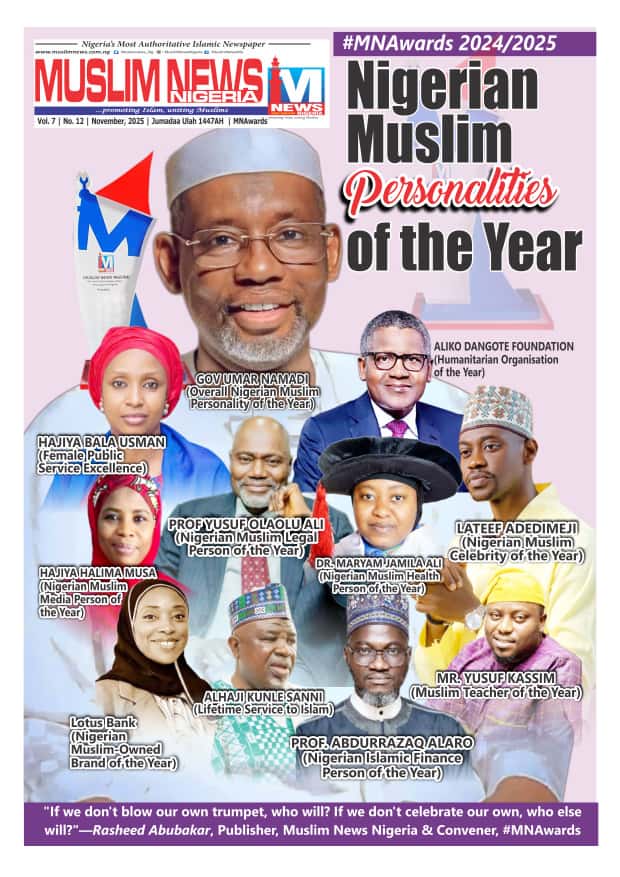
Nigerian Muslim Personalities of the Year 2024/2025
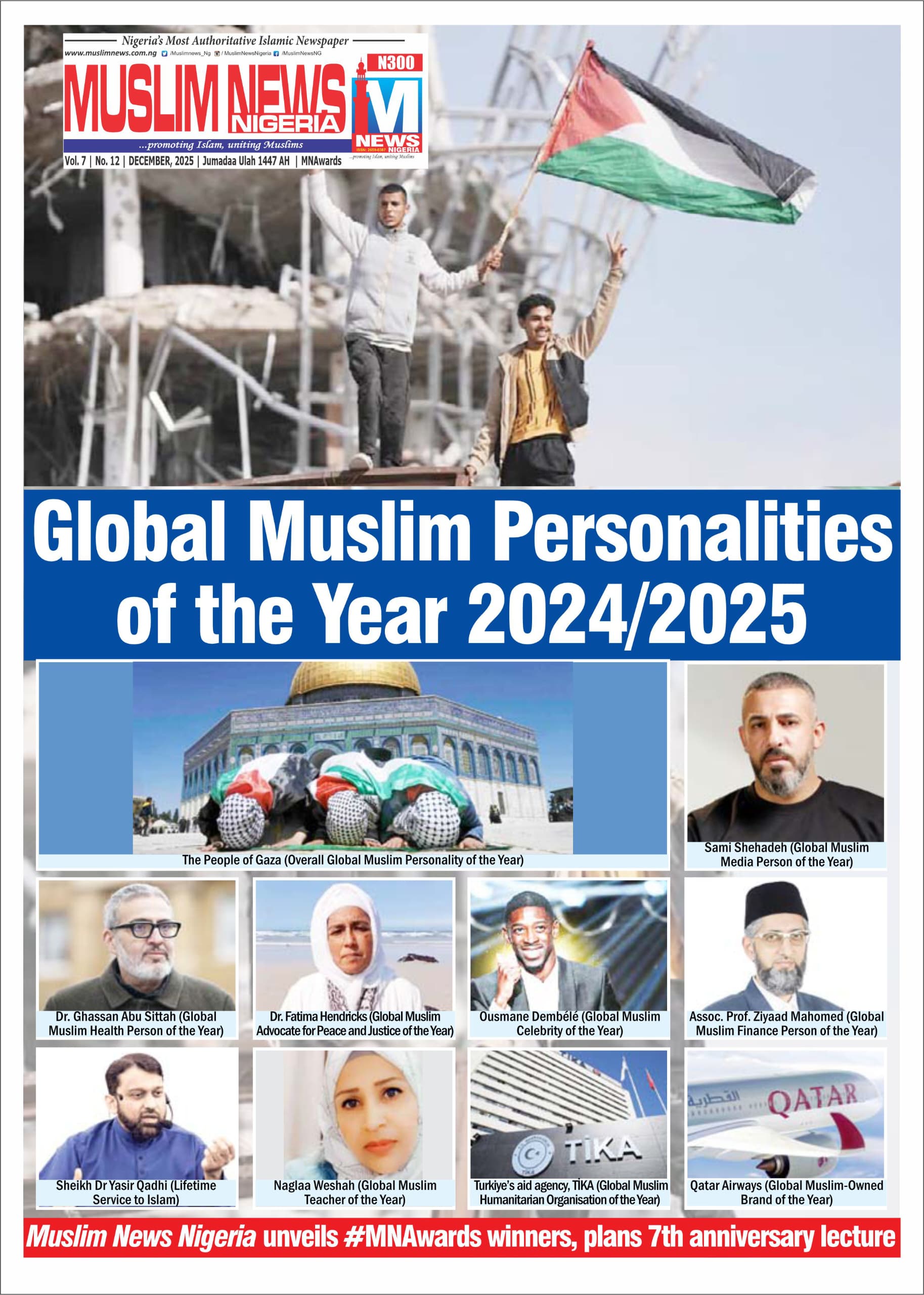
Global Muslim Personalities of the Year 2024/2025



Discover more from Muslim News Nigeria
Subscribe to get the latest posts sent to your email.