

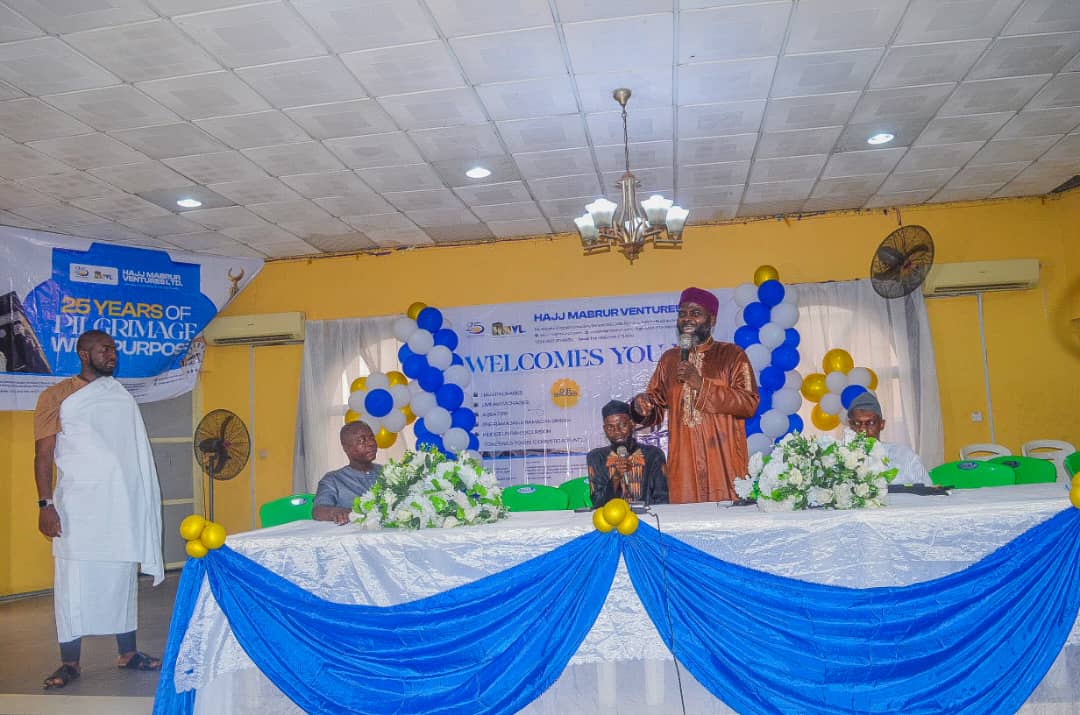
A senior official of the National Drug Law Enforcement Agency (NDLEA) has warned Nigerian intending pilgrims for the 2026 Hajj against drug-related offences, cautioning that violations of Saudi Arabia’s strict narcotics laws could attract the death penalty.
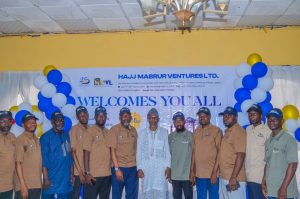
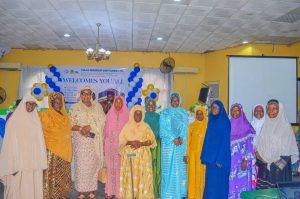
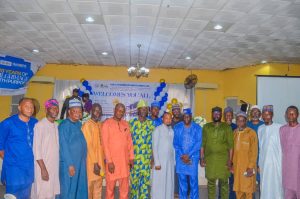
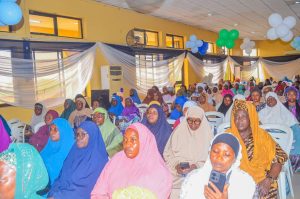
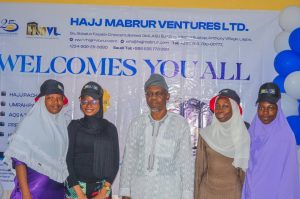
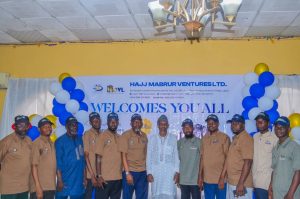
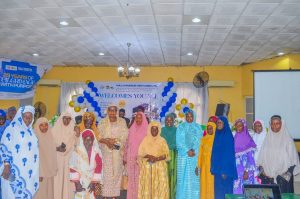
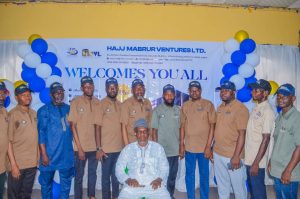
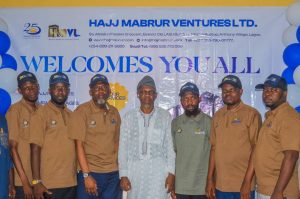
Hajia Lateefat Fatola, Assistant Superintendent of Narcotics 1 (ASN 1) with the National Drug Law Enforcement Agency, issued the warning on Sunday during a pre-Hajj seminar organised by Hajj Mabrur Ventures Ltd at the Islamic Centre, University of Lagos.
Muslim News gathered that the seminar formed part of the second phase of the agency’s preparations for the 2026 pilgrimage, which also coincides with its 25th anniversary of Hajj operations in Nigeria.

Hajia Fatola cautioned pilgrims that they are expected to uphold Nigeria’s image abroad and strictly comply with host country regulations, particularly in Saudi Arabia, where drug offences are treated with maximum severity.
“At Hajj, you are representatives of Nigeria, and as such, you must not do anything that will discredit your country,” she said, adding that, “Drug trafficking is one of such crimes. Those found guilty face the death penalty over there.”
She warned that anyone caught with illicit substances such as cocaine or heroin would face immediate arrest and prosecution under Saudi law, adding that other pilgrims would continue their religious rites while offenders face legal consequences.
“Once it is established beyond doubt that you are guilty and convicted, it is a death sentence,” she said, urging strict adherence to all laws and regulations.
Lawyer urges compliance with Kingdom’s legal and security procedures
Also speaking at the seminar, legal practitioner Alhaji Barrister Abdul-Wasi’ Amoo advised pilgrims to familiarise themselves with Saudi legal frameworks before departure, noting that legal and social systems differ significantly from those in Nigeria.
“You cannot protest over there because their system gives no room for that,” he said, urging pilgrims to maintain lawful conduct at all times.

He further advised pilgrims with medical conditions to properly declare their health status and carry valid prescriptions for any medication, warning that failure to do so could lead to confiscation of drugs and health complications.
“Non-compliance can get you penalised in Saudi Arabia and even after returning to Nigeria,” he added.
Barr. Amoo also cautioned pilgrims to comply with airport and security procedures, stressing that resistance during luggage checks could result in arrest.
“You must not argue or act unruly. Their security agencies are empowered, and such behaviour can land you in detention,” he said.
Scholar outline Hajj rites, spiritual preparation for pilgrims
In a lecture on the practical procedures of Hajj, Sheikh Sheriffdeen Ibrahim, National Naibu Amir, Dawah Affairs of The Muslim Congress, walked the intending pilgrims through the key rites involved in performing Hajj.
He said memorising the Talbiyyah, the chant recited by pilgrims throughout the journey, is a vital part of preparation.
“Memorising the Talbiyyah which will be chanted in the journey is key to preparedness for Hajj,” he said, describing it as essential for the practical performance of the pilgrimage.
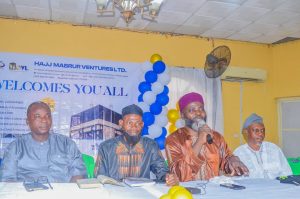
The respected Muslim scholar also highlighted the spiritual significance of Hajj, saying the pilgrimage offers believers an opportunity for repentance and purification.
“One of the virtues of Hajj is that it expiates sins no matter their magnitude. It is a means of seeking repentance from Allah,” he said.
Explaining the Tamattu method of Hajj, Sheikh Ibrahim outlined the sequence of rites, beginning with the visit to Madinah, followed by entering the state of Ihram at the Miqat, where pilgrims must observe specific restrictions including refraining from the use of perfume.
He said the Ihram symbolises humility and reminds believers of the transient nature of worldly possessions.
“The essence of the Ihram is to remind us that we all came to this world with nothing and will leave with nothing,” he said.
He further explained the rites of Tawaf, the circumambulation of the Ka’aba seven times, followed by Sa’y between Safa and Marwa, drinking Zamzam water, and trimming the hair to complete the Umrah rites.
Special prayers mark close to seminar in Lagos
The seminar ended with a special prayer session led by Sheikh Salman Roji, Head National Daw’ah (outreach) of The Muslim Congress, who offered Quranic recitations and supplications for the intending pilgrims.
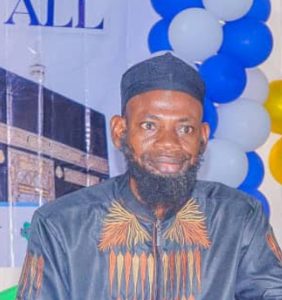
The intending pilgrims who came with families and friends prayed for a successful Hajj season, divine acceptance of their pilgrimage, and continued growth for Hajj Mabrur Ventures Ltd as it celebrates its 25th anniversary in Hajj operations.
First-time pilgrims express confidence, spiritual readiness for journey
Speaking with Muslim News on the sidelines of the event, Alhaji Monsur Olaniyi Adebola Sholanke, an intending pilgrim performing Hajj for the first time, described the journey as a long-cherished spiritual aspiration.
“This is my first Hajj. It has been on my mind because I have grown closer to Islam,” he said. “We thank Allah that the opportunity has come at this time.”
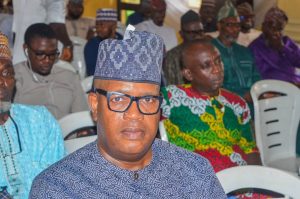
He commended the seminar structure, noting that pilgrims are properly guided before departure.
“What I like is that they explain everything to us here first. When we get there, we will know what to do so we don’t go against the law,” he said.
He also praised the agency’s medical screening and guidance on prescription drugs, describing it as helpful for compliance with Saudi regulations.
Also, Mrs Aminat Olabisi, a Lagos State government public servant working in administration and human resources, said her participation in the pilgrimage is a long-awaited spiritual fulfilment.
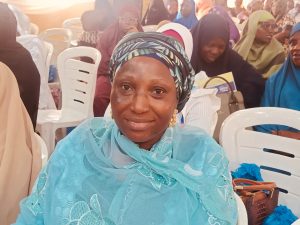
“Insha’Allah, this is my first Hajj,” she said, stressing that, “As Muslims, we are taught to always have it in mind that when Allah calls, you respond.”
She said the seminar had deepened her understanding of Hajj as both an act of worship and a spiritual renewal.
“One is coming back like a newborn baby after Hajj if it is performed properly,” she said.
Mrs Olabisi added that her family’s positive experiences with the same Hajj operator influenced her decision.
“Coincidentally, all my family members who have gone for Hajj went through Hajj Mabrur. That gave me confidence to choose them,” she said, praying for a successful pilgrimage.
Other faces at the seminar
Sponsored
Sponsored

Nigerian Muslim Personalities of the Year 2024/2025

Global Muslim Personalities of the Year 2024/2025




Discover more from Muslim News Nigeria
Subscribe to get the latest posts sent to your email.