

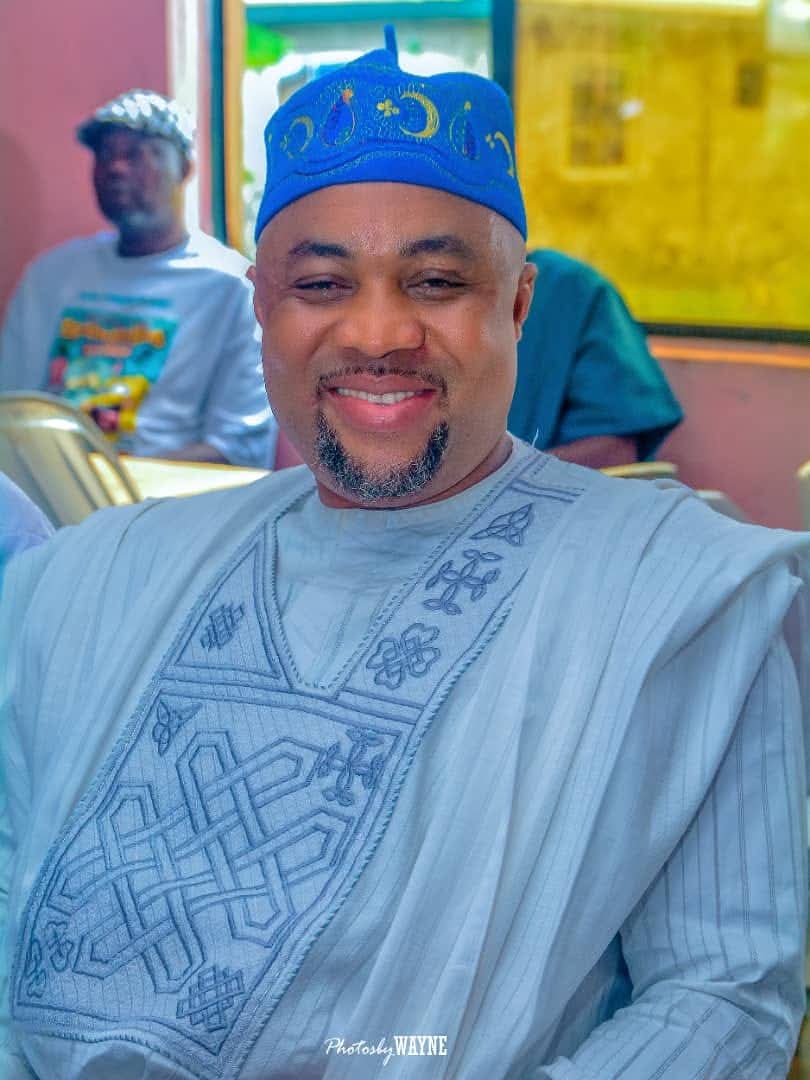
The Islamic Training Organization of Nigeria (ITOON) has petitioned the Commissioners of Police in Lagos and Ogun states, as well as the Directors of the Department of State Services (DSS) in both states, over what it described as an escalating wave of cyberbullying, hate speech and religious intolerance targeting Muslims on social media.
The organisation, led by its National Missioner, Sheikh Uwais Luqman Olanrewaju, said the petition became necessary in view of what it described as recent online attacks directed at Nollywood actors Abdullateef Adedimeji and Adebimpe Oyebade following the announcement of the birth of their triplets.
ITOON said that rather than celebrating the arrival of the newborns, several social media users allegedly mocked the Islamic names given to the babies, sparking outrage among Muslims and advocates of religious tolerance.
The organisation described the attacks as disturbing and inhumane, noting that innocent children became targets of ridicule simply because of their religious identity.
ITOON expressed particular concern over comments allegedly made by a social media user identified as “MS Baba”, who reportedly referred to the newborns as “slaves”.
According to the organisation, such language was offensive, degrading and capable of inciting hatred and deepening division in an already sensitive social environment.
Speaking on the issue, Sheikh Olanrewaju said freedom of expression must not be twisted into a licence for abuse, discrimination or religious attacks.
He stressed that the Nigerian Constitution guarantees citizens the right to practise their religion freely and to raise their children according to their faith without fear of intimidation, mockery or harassment.
He warned that continued silence over online religious intolerance could embolden offenders and worsen social divisions.
ITOON also pointed to what it described as a wider pattern of online harassment against Muslims in different parts of the country.
The organisation cited concerns raised by advocacy groups, including the Muslim Public Affairs Centre (MPAC), over frequent online attacks on Muslim women wearing hijab, as well as reports of targeted hate speech against Igbo Muslims in the South-East.
According to ITOON, these incidents suggest that social media is increasingly being used as a platform for division and religious hostility.
The organisation maintained that existing laws in Nigeria already provide sufficient legal backing to address such conduct.
It referenced the Cybercrime Act 2015, particularly Section 24, which criminalises cyberstalking, online harassment and the dissemination of offensive or hateful messages capable of causing fear, insult, emotional distress or public disorder.
ITOON noted that offenders found guilty under the law could face severe penalties, including heavy fines and prison terms.
The organisation therefore demanded a public apology from the individual at the centre of the controversy to the affected family and the wider Muslim community.
It warned that failure to do so may lead to legal action under relevant provisions of the law.
“The law is clear, and those who use social media to spread hate must understand that there are consequences for their actions,” Sheikh Olanrewaju said.
“Mocking children and attacking families because of religion diminishes our humanity and threatens peaceful coexistence.”
Sponsored

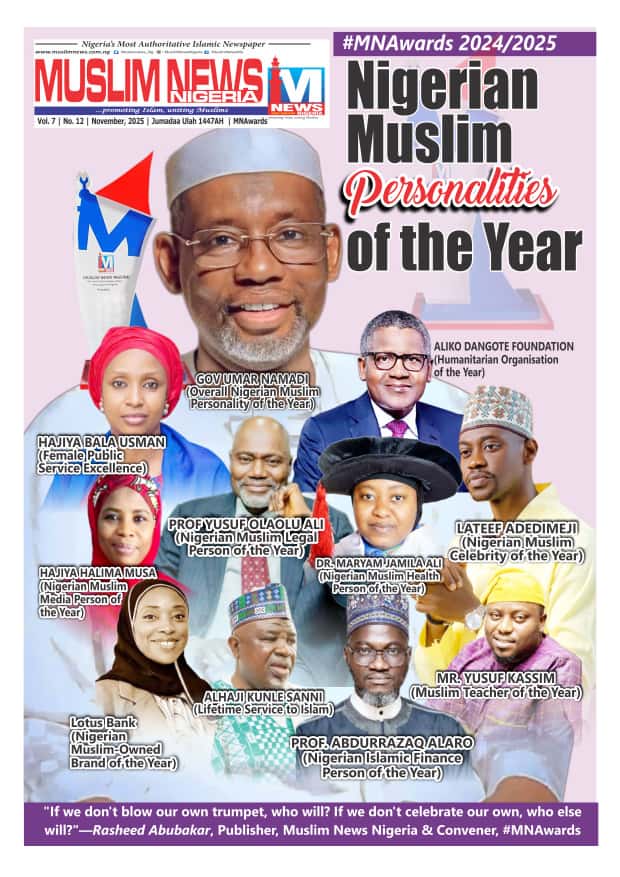
Nigerian Muslim Personalities of the Year 2024/2025
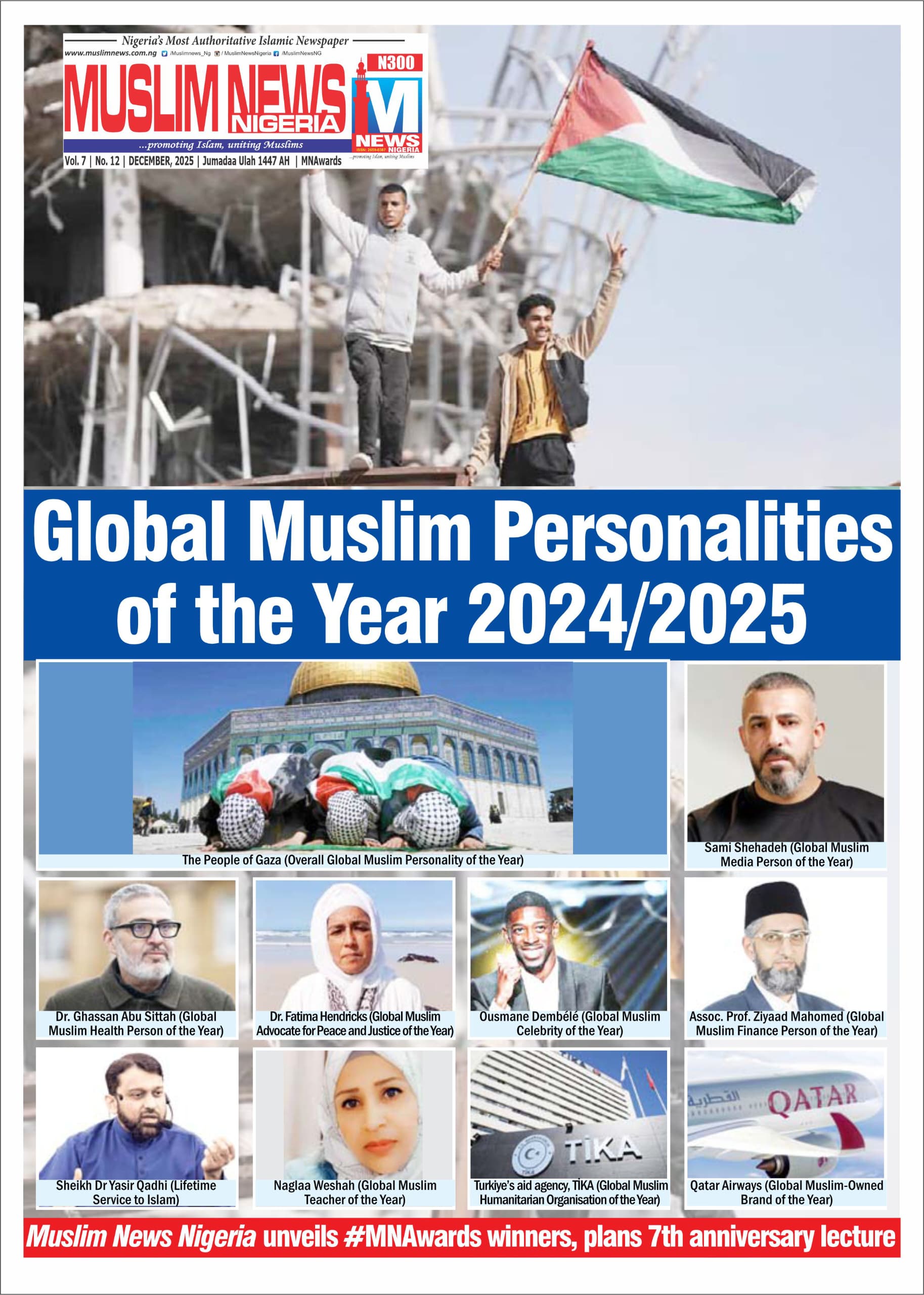
Global Muslim Personalities of the Year 2024/2025



Discover more from Muslim News Nigeria
Subscribe to get the latest posts sent to your email.