

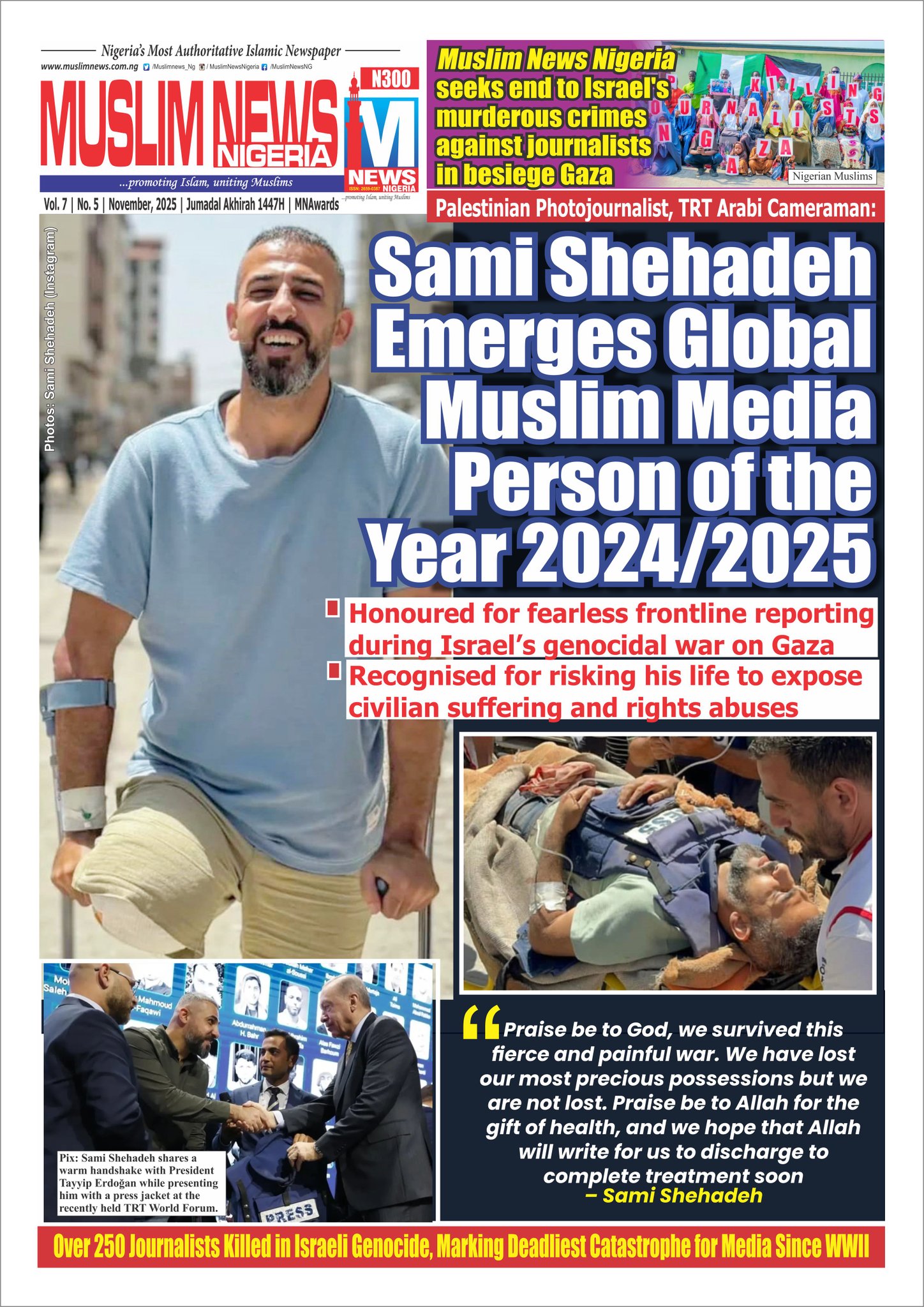
* Says journalists’ sacrifices must not be forgotten in an exclusive interview with Muslim News Nigeria
* Reflects on covering Israel’s genocidal war on Gaza after losing a leg in the line of duty
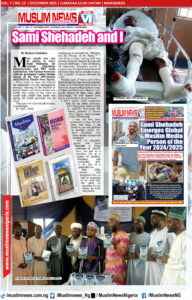
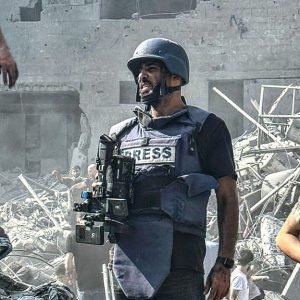
Veteran Palestinian photojournalist and TRT Arabi cameraman Sami Shehadeh has described his emergence as Global Muslim Media Person of the Year 2024/2025 as a tribute not only to himself, but to all journalists who risked their lives to document the realities of Israel’s genocidal war on Gaza.
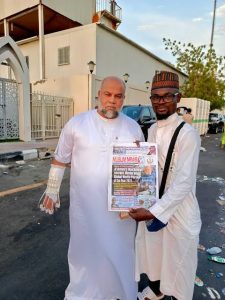
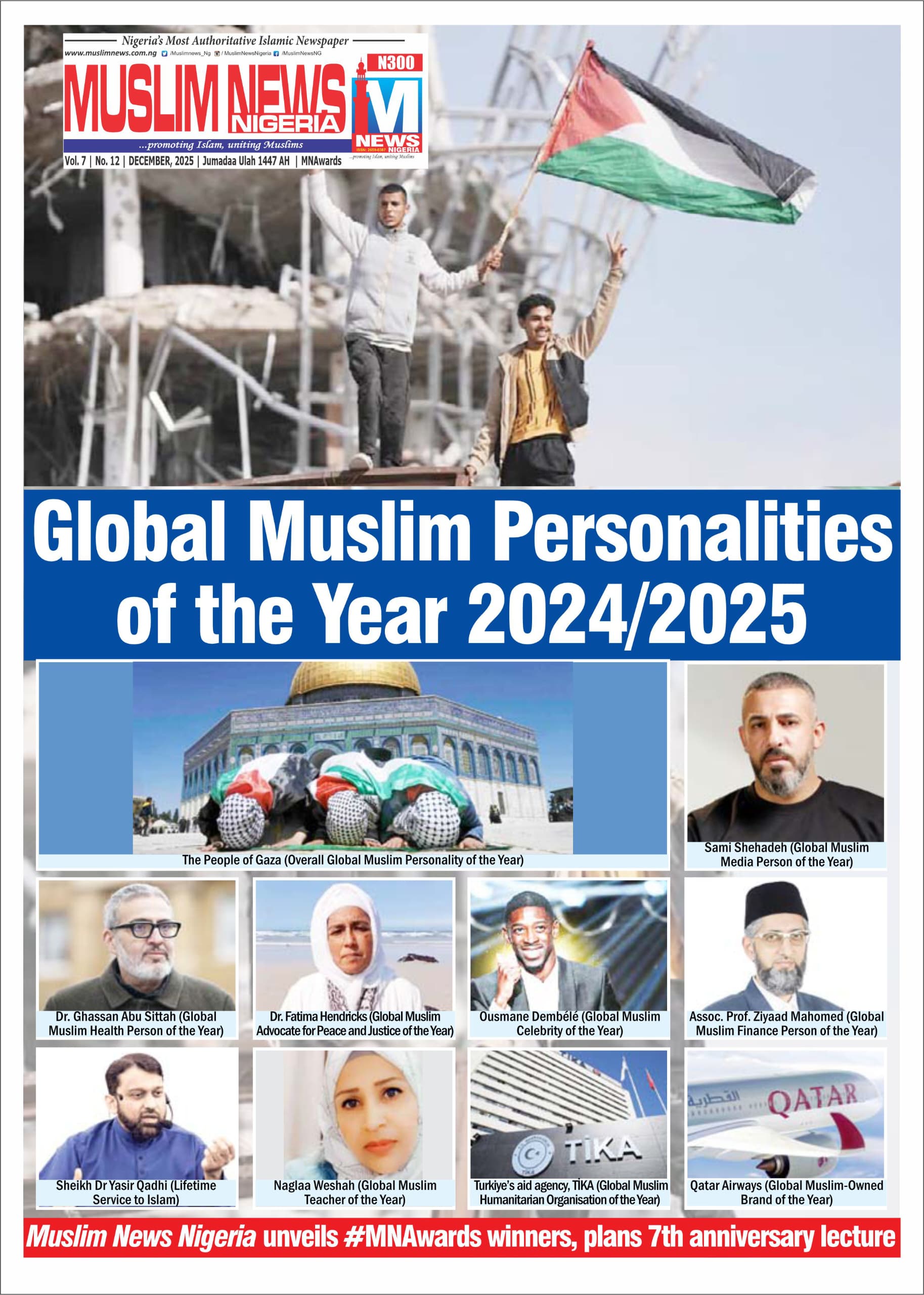
Shehadeh was one of the distinguished recipients of the Global Muslim Personalities of the Year awards announced by Muslim News Nigeria, the country’s most authoritative Islamic newspaper, in December 2025.
The convener, Alhaji Rasheed Abubakar, said the Palestinian journalist was recognised for his courage, resilience, and unwavering commitment to documenting the humanitarian consequences of the more than two-year war in Gaza.
The veteran photojournalist was scheduled to attend the award presentation held on Sunday, June 14, in Lagos, Southwest Nigeria, but was unable to make the trip due to visa delays.
He, however, joined virtually as one of the panellists during the panel session, although time constraints prevented him from making a full presentation.
Speaking exclusively in Arabic with Muslim News Nigeria from his base in Istanbul, Türkiye, on Thursday, June 25, Shehadeh expressed deep gratitude for the honour, saying it reflected the sacrifices made by media professionals who continued reporting despite immense personal risks.
“I feel deeply grateful for this nomination, and I consider it a tribute to all the journalists who risked their lives to convey the truth from Gaza, not a personal honour for me alone,” he said.
“We worked under extraordinary circumstances, and many of our colleagues paid with their lives for carrying out their professional duty. Therefore, any recognition should also be attributed to them.”
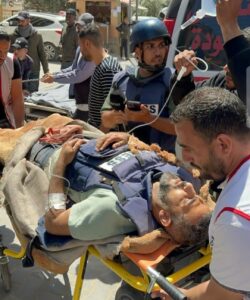
Shehadeh became internationally known after surviving a deadly Israeli attack on a press team in Nuseirat refugee camp in central Gaza on April 12, 2024. The attack resulted in severe injuries that led to the amputation of one of his legs.
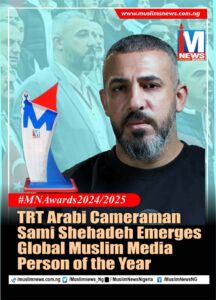
Despite the life-changing injury, the veteran cameraman returned to reporting from the field, first on crutches and later using a prosthetic leg, earning admiration from journalists and human rights advocates worldwide.
Reflecting on his experience, Shehadeh said journalism had never been about awards or recognition.
“For me, the goal was never to win awards or receive honours. My objective was to document the truth and convey the suffering of civilians to the world as it truly was.
“I was injured while carrying out my work and lost my leg, but I remain convinced that what happened will not deter me from continuing my journalistic mission, because conveying the truth is a responsibility before it is a profession,” he said.
Gaza’s daily suffering remains underreported by international media
Drawing from his years of reporting inside Gaza, Shehadeh said one of the greatest shortcomings of international media coverage is its tendency to focus primarily on explosions, destruction and casualty figures while overlooking the daily realities endured by civilians.
“In my opinion, international media outlets still fall short in portraying the daily lives of civilians living through war, not just the moments of bombing and destruction,” he said.
“There are stories that remain unseen, such as the suffering of families who spend months without shelter, children who have lost their parents or limbs, and medical personnel and journalists who continue their work despite being directly targeted.”
According to him, the long-term psychological consequences of war remain one of the least reported aspects of the Gaza crisis.
“There is also a lack of coverage of the long-term psychological impact of war on people. Gaza is not merely a collection of casualty figures; it is an entire society living through continuous trauma.”
The veteran journalist stressed that every photograph emerging from Gaza carries a deeper human narrative often lost in headlines and brief news reports.
“Through my work as a photojournalist inside Gaza, I saw that behind every photograph lies a profound human story that cannot be reduced to a headline or a brief news report,” he added.
Visual evidence helped counter attempts to discredit Gaza reports
Shehadeh highlighted the crucial role played by visual journalism in shaping global understanding of the conflict, particularly amid efforts to challenge or discredit accounts from the ground.
“The image played a pivotal role in conveying the reality of what was happening to the world,” he said.
“The photographs and videos documented by journalists inside Gaza enabled millions of people to see the reality as it was, helped change the views of many around the world, and sparked widespread discussions about humanitarian and legal responsibility.”
He argued that credibility remains the most valuable asset a journalist can possess, especially during periods of intense conflict and competing narratives.
“I believe the most important lesson journalists can learn is that credibility is a journalist’s greatest asset,” he said.
“Commitment to accuracy, firsthand documentation, and reporting the truth as it is make an image more powerful than any propaganda or misinformation.”
Shehadeh noted that the Gaza experience demonstrated both the risks and responsibilities associated with journalism in conflict zones.
“This experience has also demonstrated that journalists may pay a heavy price for conveying the truth, but continuing to document events remains both an ethical and professional duty.”
Visual storytelling gives victims names, faces and stories
The award-winning cameraman also underscored the role of visual storytelling in combating misinformation and restoring the humanity often lost in discussions about war.
“Visual storytelling is one of the most powerful tools for countering misinformation when it is grounded in professional and accurate documentation,” he said.
“An authentic image captured and verified in the field can expose the falsehood of many claims, especially when it is presented with the proper context.”
Beyond exposing misinformation, Shehadeh believes visual journalism helps humanise victims who might otherwise be reduced to statistics.
“Visual storytelling gives victims names, faces, and stories, rather than leaving them as mere statistics in news bulletins,” he explained.
“When the world sees a child smiling despite an injury, or a mother embracing her children amid the rubble, people connect with the human being before they connect with the news.”
According to him, this represents the fundamental purpose of journalism.
“That is the true role of journalism: to convey the truth, preserve human dignity, and remind the world that behind every number is a life, a story, a family, and a set of dreams.”
A message beyond recognition
While thanking Muslim News Nigeria for the nomination, Shehadeh said the recognition carries a broader significance beyond personal achievement.
“This nomination carries a deeper message for me: that the world still values courageous and independent journalism, and that the voices of the victims have not gone unheard,” he said.
He expressed hope that the honour would draw renewed international attention to the plight of Palestinians in Gaza and the sacrifices made by journalists covering the conflict.
“If this nomination has any significance, I hope it will help shine an even brighter light on the suffering of the people of Gaza and on the tremendous sacrifices made by the journalists who documented this war, especially those who were martyred while carrying out their professional duty.”
Shehadeh joins distinguished list of Global Muslim Media award recipients
For Muslim News Nigeria, the recognition of Shehadeh is consistent with its tradition of honouring journalists whose courage, resilience and commitment to truth have inspired millions across the world.
The award celebrates media professionals who, often at great personal risk, uphold the principles of truthful reporting, give voice to the voiceless and bring global attention to humanitarian crises and issues affecting Muslim communities.
Shehadeh joins a distinguished list of recipients of the Global Muslim Media Person of the Year award. In 2023, the honour was bestowed on Al Jazeera’s Gaza bureau chief, Wael Al-Dahdouh, in recognition of his steadfast reporting despite suffering devastating personal losses during the war in Gaza.
In 2021, Indian investigative journalist and Washington Post columnist Rana Ayyub received the award for her fearless reporting on human rights issues and advocacy for oppressed Muslim communities.
A year earlier, Mohamed Ali Harrath, founder of the UK-based Islam Channel, was recognised for his pioneering role in challenging negative stereotypes about Muslims and expanding Muslim representation in the global media landscape.
Muslim News Nigeria said Shehadeh’s story, like those of many journalists working in conflict zones, serves as a powerful reminder that behind every image, report and headline are individuals willing to risk everything to ensure the truth is seen, heard and remembered.
Sponsored
Sponsored

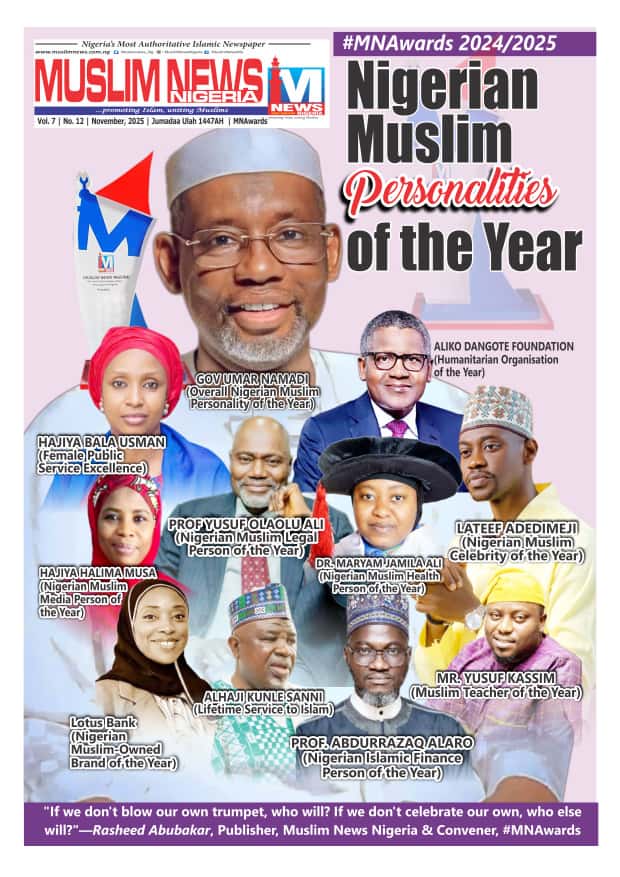
Nigerian Muslim Personalities of the Year 2024/2025
Global Muslim Personalities of the Year 2024/2025



Discover more from Muslim News Nigeria
Subscribe to get the latest posts sent to your email.