

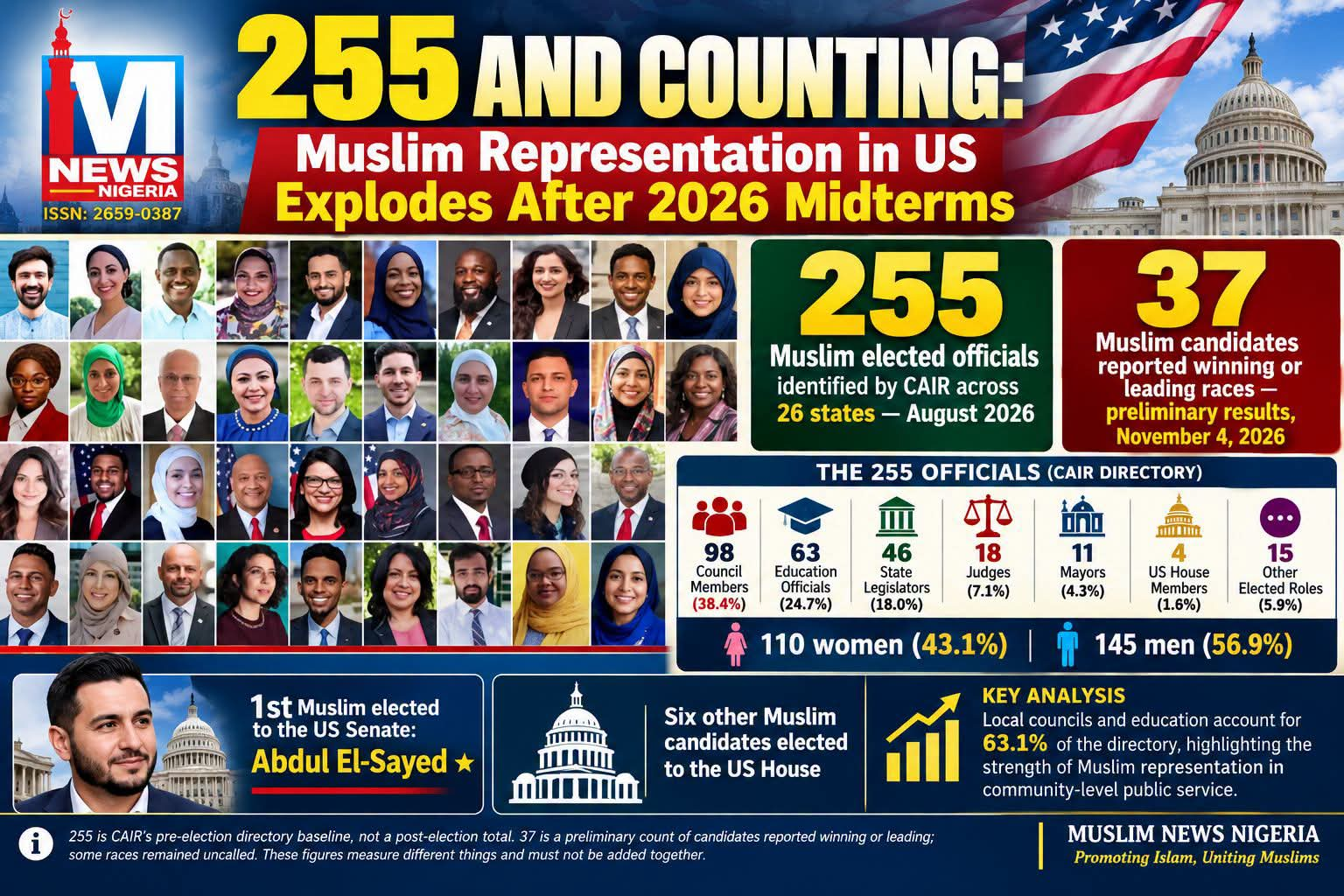
Abdul Rahman Mohamed El-Sayed makes history as first Muslim elected to the US Senate, while six others win House seats
“My name is Abdul Rahman Mohamed El-Sayed.” Those words introduced a historic moment for the Michigan Democrat, who has become the first Muslim elected to the United States Senate following his victory in the November 3, 2026 midterm elections.
The 42-year-old former public health official defeated Republican candidate Mike Rogers in Michigan’s Senate race, according to media projections announced on Wednesday, November 4.
His victory marks a milestone in American political representation, placing a Muslim among the 100 members of the US Senate for the first time. He will assume office when the 120th US Congress begins in January 2027.
El-Sayed’s campaign attracted national attention, particularly over his Muslim identity, progressive political positions and criticism of US support for Israel.
El-Sayed challenges Trump over metal detector remark
Before the election, President Donald Trump questioned El-Sayed’s security and suggested that he should undergo a metal detector screening, sparking controversy during the campaign.
Responding at a rally in Kalamazoo, Michigan, El-Sayed challenged Trump to take a lie detector test in exchange.
“I’ll go through a metal detector if you’ll sit for a lie detector. Simple. I got nothing to hide. You’ve got so much to hide,” he said.
He also questioned the president over convicted sex offender Jeffrey Epstein and his repeated claims about the outcome of the 2020 presidential election.
El-Sayed’s Republican opponent also sought to portray him as sympathetic to Islamic extremism, citing alleged links to the Muslim Brotherhood. El-Sayed denied the allegations, which Reuters reported were unsupported by evidence.
His criticism of Israeli military operations in Gaza, which he described as genocide, and opposition to US military assistance to Israel also featured prominently in the campaign.
Six Muslims win House seats
El-Sayed’s historic Senate victory was accompanied by significant gains for Muslim candidates seeking seats in the House of Representatives.
Six Muslim Americans also secured congressional seats, bringing the number of Muslim winners in the federal legislature to at least seven.
They include incumbent lawmakers Congresswoman Ilhan Omar of Minnesota, Congresswoman Rashida Tlaib of Michigan, Congressman André Carson of Indiana and Congresswoman Lateefah Simon of California, who retained their seats.
Two newcomers, Adam Hamawy of New Jersey and Darializa Avila Chevalier of New York, also won congressional seats.
Hamawy, a former US Army surgeon who served in Gaza, becomes the first Muslim elected to Congress from New Jersey.
Chevalier, a Democrat and convert to Islam, won New York’s 13th Congressional District after defeating longtime incumbent Adriano Espaillat in the Democratic primary. Her victory makes her the first Latina Muslim woman elected to Congress.
Omar and Tlaib, both prominent advocates for Palestinian rights, secured fifth terms in their respective districts. Carson, one of the longest-serving Muslim members of the House, also won re-election.
255 Muslim elected officials across 26 states
Beyond Congress, Muslim political representation in the United States has continued to expand.
Before the midterm elections, the Council on American-Islamic Relations (CAIR) and CAIR Action published their 2026 Directory of Elected Muslim Officials, identifying 255 Muslim elected officials across 26 states.
The directory recorded 110 Muslim women, representing 43.1 per cent of the total. It also identified 46 Muslim state legislators, 18 judges, 63 education officials, 11 mayors and 98 local council members, alongside other elected representatives.
New Jersey had the highest number of Muslim elected officials, with 46, followed by Michigan with 40.
The figures predate the November 3 elections and are expected to increase as newly elected candidates assume office.
Muslim candidates record state-level victories
Several other Muslim candidates also recorded important victories in state legislative and local elections.
In New York, Palestinian-American organiser Aber Kawas won the 12th State Senate District in Queens, becoming the first Palestinian-American and Muslim woman elected to the New York State Legislature.
In Michigan, Abbas Alawieh and Jalal Abdallah won state legislative seats, while Alabas Farhat secured re-election to the state House.
In Ohio, Munira Abdullahi and Ismail Mohamed won their respective state House races. Texas also returned Muslim lawmakers Salman Bhojani and Suleman Lalani to the state legislature, while Dr Letitia Plummer secured election as Harris County judge.
In Illinois, Nabeela Syed won the 26th State Senate District, defeating Republican incumbent Darby Hills.
Other Muslim candidates recorded victories in Maryland, Colorado, Georgia, Delaware and Pennsylvania.
Mamdani administration reports decline in murders, shootings
The growing visibility of Muslim politicians has also drawn attention to officeholders already serving in influential positions.
In New York City, Mayor Zohran Mamdani, the city’s first Muslim mayor, has placed affordability, public services and public safety at the centre of his administration.
His campaign promises included free childcare, improved public transport and measures to reduce the cost of living for working families. His administration has also launched its 2-K programme to expand access to free childcare for two-year-olds.
On public safety, the city’s first management report under Mamdani, released in September 2026, recorded a nearly 20 per cent decline in murders and a reduction of more than 16 per cent in shooting incidents during the reporting period.
Minneapolis makes history with public adhan
Another notable example of Muslim civic participation is Minneapolis, Minnesota, which became the first major US city to allow mosques to publicly broadcast the Islamic call to prayer, or adhan, for all five daily prayers.
The Minneapolis City Council unanimously approved the resolution on April 13, 2023, following an advocacy effort led by Muslim community representatives and Council Member Aisha Chughtai.
The decision removed previous noise restrictions that limited some early morning and evening calls to prayer, allowing mosques to broadcast the adhan throughout the day.
CAIR-Minnesota Executive Director Jaylani Hussein welcomed the development as a historic victory for religious freedom and pluralism.
A growing political voice
The November 2026 election results demonstrate the increasing participation of Muslim Americans in US political institutions, from local councils and state legislatures to the House of Representatives and now the Senate.
For many Muslim communities, the victories represent years of voter mobilisation, community organisation and participation in the democratic process.
El-Sayed’s election is particularly significant because the Senate plays a central role in making federal laws, approving presidential appointments and treaties, and overseeing the executive branch.
With him preparing to join the Senate and other Muslim lawmakers returning to Congress, Muslim Americans are set to have a stronger presence in debates shaping domestic and international policies.
Sponsored
Sponsored

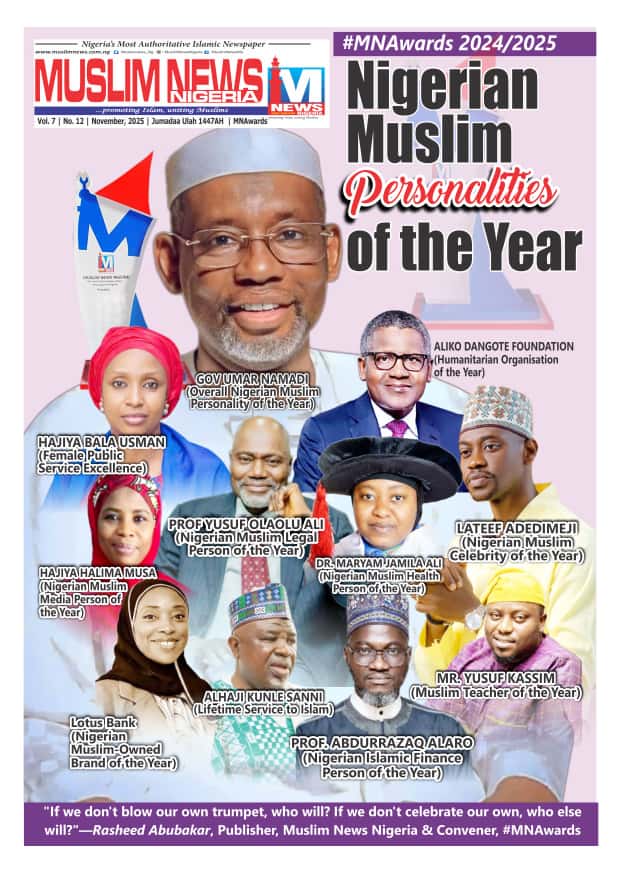
Nigerian Muslim Personalities of the Year 2024/2025
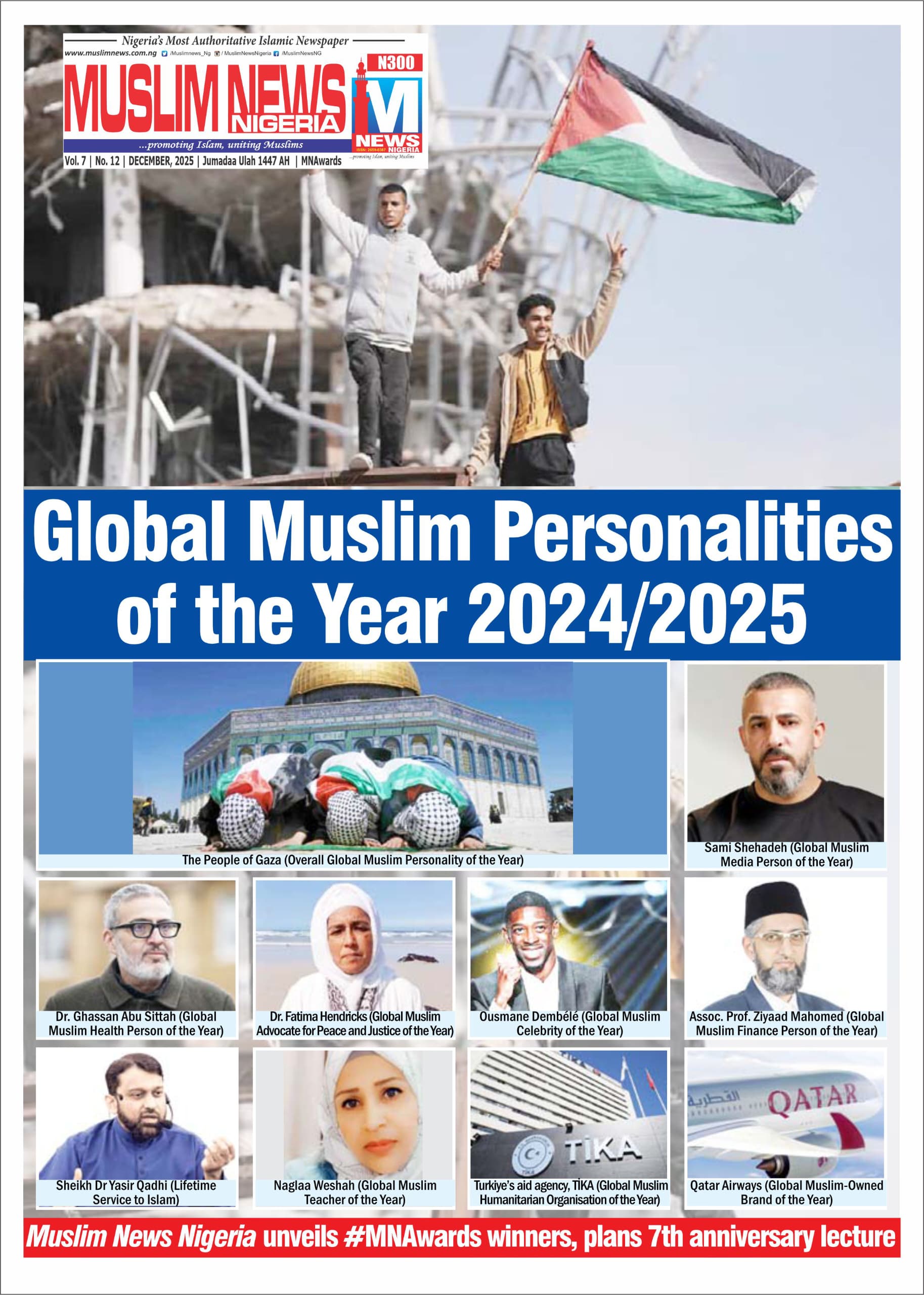
Global Muslim Personalities of the Year 2024/2025



Discover more from Muslim News Nigeria
Subscribe to get the latest posts sent to your email.