

* Ahead of COP31 in Türkiye, diplomats call for accessible funding as Nigeria faces $337bn climate financing needs.
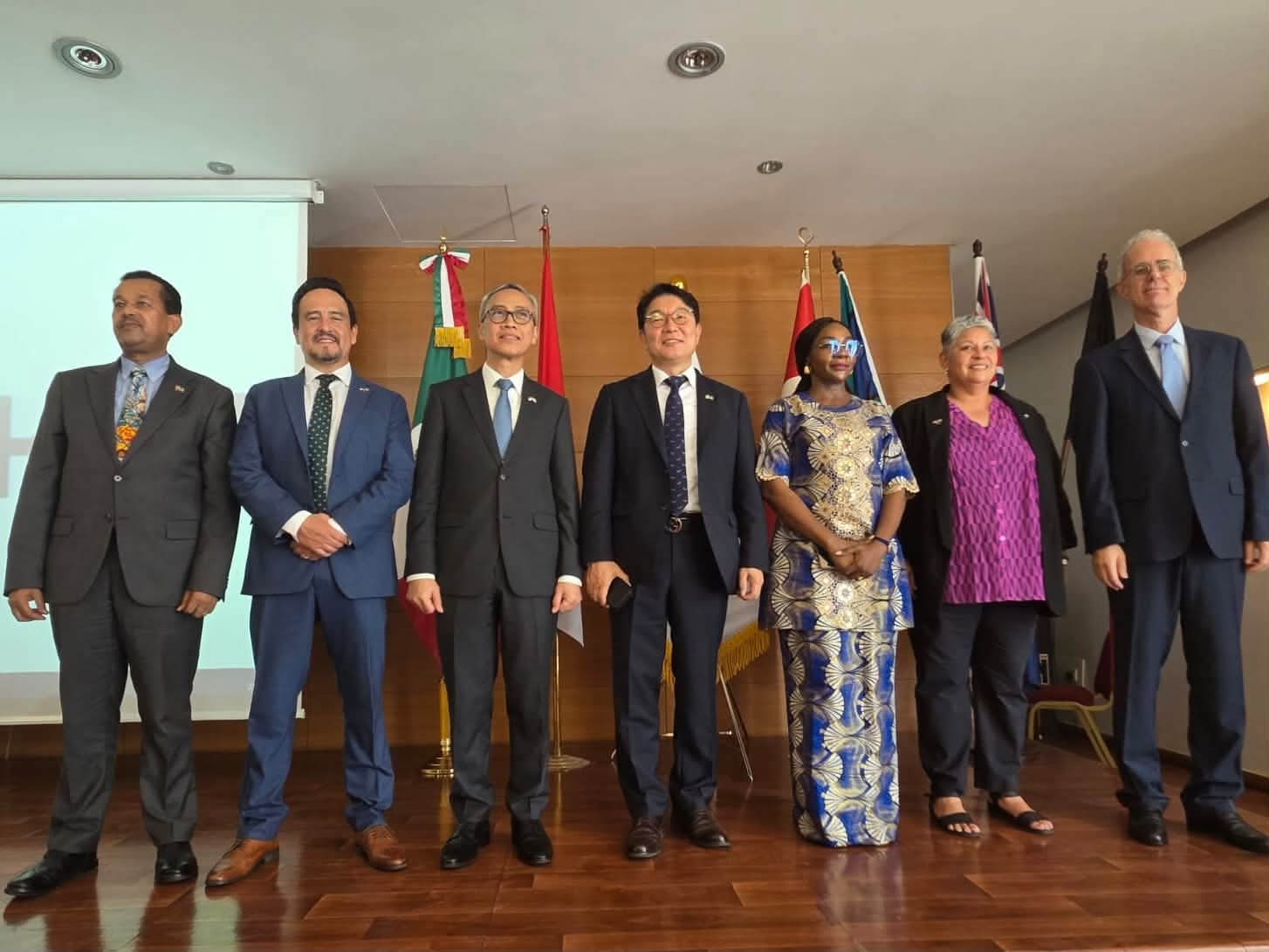
The Embassy of the Republic of Türkiye in Nigeria, in collaboration with representatives of Mexico, Indonesia, the Republic of Korea and Australia, has called for stronger global partnerships and easier access to climate finance to help developing countries turn climate commitments into concrete action.
The call came at a roundtable on climate finance and implementation partnerships in Africa, held at the Turkish Embassy in Abuja on Tuesday, October 27, 2026.
The meeting brought together Nigerian government officials and other stakeholders to discuss ways to mobilise investment for climate adaptation, renewable energy, sustainable agriculture and community resilience ahead of the 31st United Nations Climate Change Conference (COP31).
Muslim News gathered that COP31 will be held in Antalya, Türkiye, from November 9 to 20, 2026, with Türkiye serving as the conference president and Australia leading the negotiations.
Australia urges Nigeria to back climate finance reforms
The Australian High Commissioner to Nigeria, Ms Leilani Bin-Juda, said Nigeria’s support would strengthen efforts to make climate finance simpler, more accessible and responsive to the needs of vulnerable countries.
She noted that developing countries often faced complex application procedures, fragmented funding systems, demanding reporting requirements and delays in accessing climate funds.
Bin-Juda highlighted a Pacific-led Action Plan on access to climate finance for Small Island Developing States and Least Developed Countries, launched at Pre-COP in Fiji on October 8.
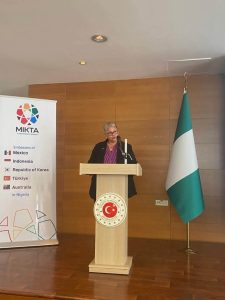
The initiative seeks to simplify funding applications, approvals and disbursements, mobilise private investment and strengthen countries’ capacity to develop investment-ready projects.
She urged Nigeria to support the initiative, noting that vulnerable Pacific nations and African countries faced similar challenges in accessing the resources needed to address climate change.
“For Australia, COP31 is about turning climate ambition into practical outcomes,” she said.
Türkiye calls for action beyond climate pledges
The Ambassador of Türkiye to Nigeria, Mehmet Poroy, said COP31 should focus on implementing existing commitments and ensuring that climate investments delivered measurable benefits to communities.
He stressed that African countries needed adequate financing, technology, institutional capacity and support for project preparation to implement their national climate plans.
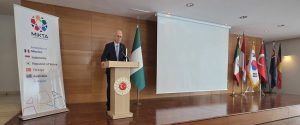
Poroy highlighted Türkiye’s Climate Implementation Bridge initiative, being developed with the United Nations Development Programme (UNDP), to help developing countries connect their climate priorities with investment-ready projects and appropriate financing sources.
He explained that the initiative was not intended to establish a new fund or replace existing climate finance mechanisms, but to bridge the gap between climate commitments and actual investments.
“We believe that climate finance should therefore not be considered separately from development finance,” he said, adding that climate investments must deliver tangible results for people.
Poroy described Africa as a central partner in delivering meaningful climate action and said COP31 should sustain momentum towards COP32, expected to be hosted by Ethiopia in 2027.
Nigeria seeks $337bn for climate commitments
The Director-General of the National Council on Climate Change (NCCC), Mrs Omotenioye Majekodunmi, represented by Mrs Jummai Vandu of the council’s Department of Energy, Transportation and Infrastructure, said Nigeria was ready to work with MIKTA and other international partners to turn its climate commitments into implementable projects.
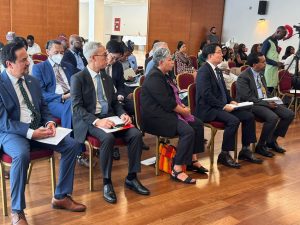
Vandu identified adaptation finance, decentralised climate action, gender inclusion and a just transition as key national priorities.
Nigeria is estimated to require about $337 billion between 2026 and 2035 to meet its climate commitments, underscoring the need for domestic resources, international financing and private-sector investment.
She said the country wanted to transform its Nationally Determined Contributions (NDCs) into bankable, investment-ready projects capable of attracting funding and delivering measurable results.
“We must scale up direct, predictable, and accessible adaptation finance that matches the scale of ecological shocks we face, ensuring that vulnerable communities are not left behind,” she said.
Vandu called for greater access to climate funding at the state and local government levels, adding that women and young people should be empowered as decision-makers and direct beneficiaries of climate investments.
She also stressed that the transition to clean energy must protect energy security, job creation and economic equity.
Indonesia proposes climate finance partnership with Nigeria
The Indonesian Ambassador to Nigeria, Bambang Suharto, said developing countries needed a combination of public funding, private investment and international support to achieve their climate targets.
He disclosed that Indonesia estimated it would require about $472.6 billion to meet its climate targets, with annual financing needs of approximately $14.5 billion through 2030, compared with an annual state budget allocation of about $4.42 billion.
Suharto said Indonesia was exploring financing instruments such as green sukuk, blended finance, thematic bonds and concessional funding to support climate action.
He called for existing international climate finance commitments to be honoured and for greater assistance with project preparation to help developing countries attract investment.
The ambassador also expressed Indonesia’s readiness to discuss a possible Indonesia-Nigeria Climate Finance and Resilience Partnership, with potential areas of cooperation including climate-resilient agriculture, land restoration, coastal protection, clean energy and green industrialisation.
“Indonesia stands ready to engage with Nigeria, MIKTA partners, the United Nations, and others in a spirit of mutual respect,” he said.
South Korea highlights green jobs and investment
The South Korean Ambassador to Nigeria, Jeong Yo-an, identified renewable energy, agricultural technology, infrastructure and green investment as areas for stronger cooperation between both countries.
He said South Korea was committed to achieving carbon neutrality by 2050 and had set a 2035 target to reduce net greenhouse gas emissions by between 53 and 61 per cent compared with 2018 levels.
Jeong also highlighted a planned 2026–2030 project involving the Korea International Cooperation Agency (KOICA) and the Food and Agriculture Organization (FAO), aimed at creating green jobs for young people in agriculture and food systems.
He added that transparent regulations, reliable infrastructure and a stable investment environment were important for attracting private capital into climate-related projects.
Mexico, Ethiopia call for stronger climate action
The Mexican Chargé d’Affaires in Nigeria, Jose Manuel Briseno Flores, stressed the need to ensure that climate finance translated into practical solutions, including renewable energy technologies that could help communities transition towards cleaner energy.
Meanwhile, the Ethiopian Ambassador to Nigeria, Legesse Geremew Haile, said Africa faced disproportionate climate risks despite contributing relatively little to global greenhouse gas emissions.
He called for direct access to predictable, grant-based financing and technology transfers to help African countries implement their climate priorities.
Haile cited Ethiopia’s Climate Resilient Green Economy Strategy and Green Legacy Initiative as examples of efforts to combine environmental protection, employment and sustainable development.
He said Ethiopia’s hosting of COP32 in 2027 would provide an opportunity to place African development priorities, just energy transitions and the delivery of loss-and-damage support more firmly at the centre of global climate discussions.
About MIKTA and COP31
MIKTA is a cross-regional partnership comprising Mexico, Indonesia, the Republic of Korea, Türkiye and Australia.
COP31 is expected to prioritise the implementation of existing climate commitments, with focus areas including electrification, zero waste, food security, resilient cities, green industrialisation, youth participation, health, education and the protection of oceans and seas.
The Abuja roundtable highlighted the need for stronger international partnerships, accessible financing and investment-ready projects to ensure that climate commitments translate into tangible benefits for vulnerable communities.
Sponsored
Sponsored

Nigerian Muslim Personalities of the Year 2024/2025

Global Muslim Personalities of the Year 2024/2025




Discover more from Muslim News Nigeria
Subscribe to get the latest posts sent to your email.