

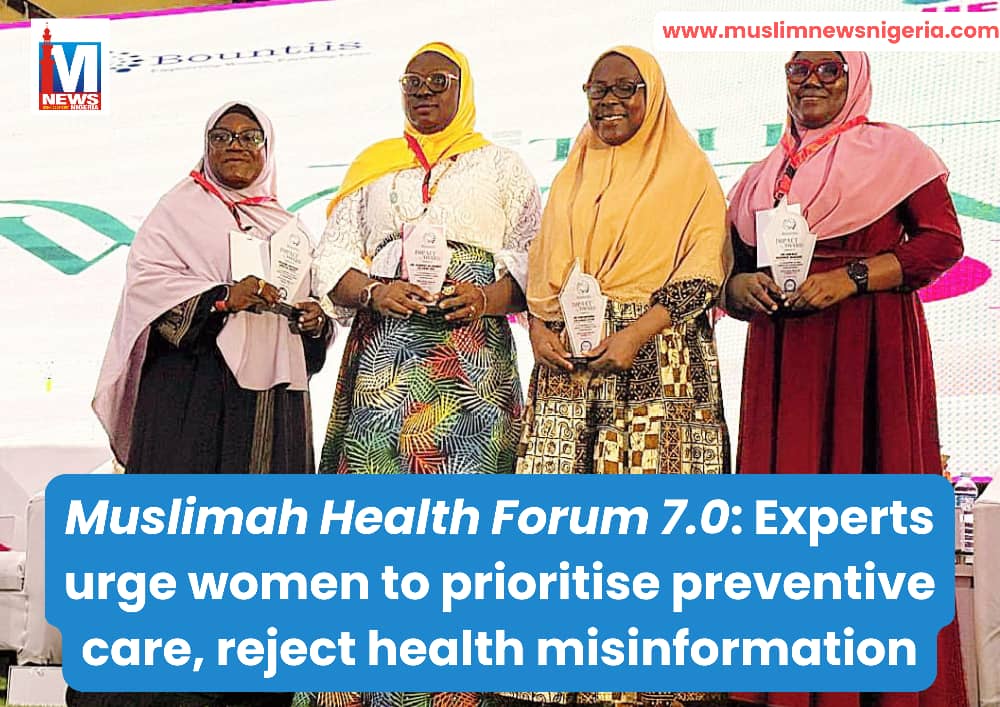
* Dr. Noimot Abisola Balogun warns against relying on unverified AI-generated and social media health advice
By Maryam Adejoke Bamiro
Medical experts at the seventh edition of the Muslimah Health Forum have urged women to prioritise preventive healthcare, seek professional medical advice and take informed decisions about their wellbeing, as they discussed menopause, fertility, stress, mental health and the early detection of silent health risks.
The specialists spoke at the forum, organised by Bountiis Charity Initiative at the Lagos State Central Mosque Complex, Alausa, Ikeja, on Saturday, October 24, 2026. The event was held under the theme, “The Wellness Code: Know Your Body; Own Your Health.”
Muslim News gathered that the programme featured a keynote address, three panel sessions and a debate on technology and personal responsibility in health misinformation.
Other activities included interactive question-and-answer sessions, free medical screenings, wellness activities, mindfulness exercises, a quiz with gifts, a stretch break and an awards presentation recognising panellists, moderators and other contributors.
Balogun warns against AI-driven health misinformation
Delivering the keynote address, “The Misinformed Woman: Wellness in the Age of Social Media and AI,” Dr. Noimot Abisola Balogun, a public health professional and health communications specialist, said technology had expanded access to information but also made it easier for unqualified individuals to spread misleading health advice.
She said women were increasingly exposed to online claims about skincare, fibroids, fertility, nutrition and other health concerns without knowing whether those promoting the information had the necessary qualifications or scientific evidence.
“Anybody, especially somebody that is good with rhetoric, can come to say anything without verification, without understanding the evidence,” she said.
Dr. Balogun advised women to adopt a three-step approach of pausing, questioning and verifying health information before acting on it.
She urged them to check the qualifications of the person making a claim, examine the supporting evidence and consider whether the advice was intended to sell a product or attract attention.
The lecturer at the Faculty of Communication and Media Studies, University of Lagos, also cautioned against assuming that products described as natural or herbal were automatically safe for everyone, noting that allergies, medical histories and individual responses to substances differed.
“Somebody that wants to sell something will use anything to sell it. It’s different from a doctor that is bothered about your health,” she said.
The keynote speaker encouraged women to undergo comprehensive medical checks, consult qualified healthcare professionals and examine the possible risks and side effects of products before using recommendations found online.
Experts discuss menopause, fertility and healthy ageing
The first panel, titled “The Changing Woman: Hormones, Midlife, Menopause, Healthy Ageing and Self-Care,” examined hormonal changes, reproductive health, fertility and joint care.
Dr. Fatimah Habeebu-Adeyemi, an obstetrician and gynaecologist, explained the role of oestrogen in women’s health, including its importance in bone strength and other bodily functions.
She said declining ovarian hormone production during the years leading to menopause could contribute to symptoms such as night sweats, joint discomfort, irritability and changes in concentration.
The panellist explained that menopause is generally confirmed after a woman has gone 12 consecutive months without menstruation, advising those experiencing persistent or unusual symptoms to seek medical evaluation.
On infertility, Dr. Habeebu-Adeyemi said several factors could affect conception and urged couples who had tried to conceive for a year through regular, unprotected sexual intercourse without success to seek medical assessment.
“It takes two to tango. It’s not only the woman that goes for evaluation,” she said, stressing that both partners should be assessed because the cause of infertility could involve either of them.
Another panellist, Dr. Folasade Dolapo Haleemah Olalere, a fertility and reproductive medicine specialist, discussed female and male factors affecting conception.
She identified ovulation disorders, blocked fallopian tubes, fibroids, polyps and hormonal imbalances among possible female factors, while low sperm count, poor sperm movement and abnormal sperm morphology could contribute to male infertility.
Dr. Olalere, a senior lecturer and honorary consultant at Lagos State University and Lagos State University Teaching Hospital, emphasised that investigations should be tailored to each couple rather than automatically placing the responsibility on women.
Mrs. Kameelah Adebisi, a physiotherapist at the National Orthopaedic Hospital, Igbobi, Lagos, discussed joint health and physical activity.
She explained that joint noises did not necessarily indicate a serious condition and encouraged regular, appropriate movement to support mobility and wellbeing.
The session was moderated by Dr. Mistura Dupe Ajenifuja, an obstetrician and gynaecologist at Randle General Hospital, Lagos.
Specialists highlight stress, sleep and emotional exhaustion
The second panel, “The Exhausted Woman: Stress, Sleep, Fatigue and Mental Overload,” explored the effects of prolonged stress, poor sleep, inadequate nutrition and competing family and work responsibilities on women’s health.
Dr. Aminat Kehinde Bakare, a consultant neurologist and stroke physician at the Federal Medical Centre, Abeokuta, urged women to prioritise both their physical and mental wellbeing rather than neglecting their health while caring for others.
She encouraged women to set healthy boundaries, rest adequately, eat balanced meals, exercise regularly and stay hydrated.
The panellist also called on couples experiencing infertility to undergo appropriate medical checks together and support each other through investigation and treatment.
Dr. Kabirat Olabimpe Kilanse-Oni, a consultant psychiatrist at the Federal Neuropsychiatric Hospital, Yaba, discussed stress, burnout, anxiety, depression and emotional exhaustion, highlighting the effects of prolonged stress on mood, energy and daily functioning.
Dr. Bolanle Omowunmi Ottun, a clinical dietitian-nutritionist and critical care specialist at Lagos University Teaching Hospital, addressed the role of nutrition in managing fatigue and supporting general wellbeing.
She highlighted balanced meals, hydration and foods such as beans and whole grains as part of healthy dietary habits.
Pharmacist Hafsah Ameen-Ikoyi, a clinical pharmacist and certified health and fitness adviser, moderated the session.
Third panel advocates screening and early detection
The third panel, “The Silent Health Risks: Metabolic Health, Prevention and Early Detection,” focused on conditions that may develop without obvious symptoms and the importance of preventive checks.
Dr. Sakeenah Odunaye-Badmus, a consultant family physician at Lagos State University Teaching Hospital, discussed preventive healthcare and the importance of recognising bodily changes and seeking appropriate medical assessment.
The discussions highlighted age-appropriate screening for conditions such as hypertension and diabetes, alongside appropriate breast and cervical cancer screening.
Participants were also encouraged to consider family medical history, maintain follow-up care after hypertension during pregnancy and avoid stopping prescribed medication without consulting a healthcare professional.
Other specialists on the panel included Dr. Khadijat Abosede Adabale, a consultant haematologist with the Lagos State Health Service Commission whose work includes sickle cell disease; Dr. Aisha T. Abdulkareem, a public health physician and senior technical officer at FHI 360; and Dr. Rasheeda Bolarinwa Oba, a consultant physician and rheumatologist at General Hospital, Lagos.
The session also addressed joint health, osteoarthritis and the influence of factors such as obesity and family history, with emphasis on physical activity and prevention.
Organisers call for sustained support
Lasbat Kabeer-Omotosho, Lead PR for 2026 at Bountiis Charity Initiative, said funding, reaching potential participants and securing sponsorship remained among the challenges facing the organisation.
She explained that support came not only through financial contributions but also through resources and services, including healthcare providers who helped make free medical checks available to participants.
“The consistency is in the goal,” she said, explaining that the initiative remained committed to reaching more women with reliable health information and access to healthcare services.
Kabeer-Omotosho urged women not to rely solely on artificial intelligence or social media influencers for medical advice, encouraging them to seek proper diagnoses from qualified professionals.
“Your health matters, and it’s as important as any other thing that makes you,” she said.
Partner promotes nutrition and women’s wellbeing
Latifah Afolayan Adeleke, popularly known as Dr. Beans and founder of TQwad Foods, an agritech brand that uses cowpea to produce bean-based products, said her organisation’s partnership with Bountiis aligned with its interest in promoting women’s wellbeing through food and nutrition.
“I’ve known this organisation for close to five years, and year in, year out, they’ve constantly supported women, Muslimahs, to be the best version of themselves,” she said.
Adeleke encouraged women to eat balanced meals and include protein sources such as beans and other plant-based foods in their diets.
Participant praises access to specialists
Faizah Idris, a pharmacist working with the National Agency for Food and Drug Administration and Control (NAFDAC) in Yaba, Lagos, said the forum gave participants an opportunity to learn directly from specialists and obtain answers to questions about women’s health.
Idris, who attended for the first time, praised the organisers, volunteers and sponsors for making the programme accessible, adding that the forum also provided an opportunity for Muslim women to connect and build a supportive community.
“The fact that there are specialists here talking to us, there is a lot to learn,” she said.
Sponsored
Sponsored

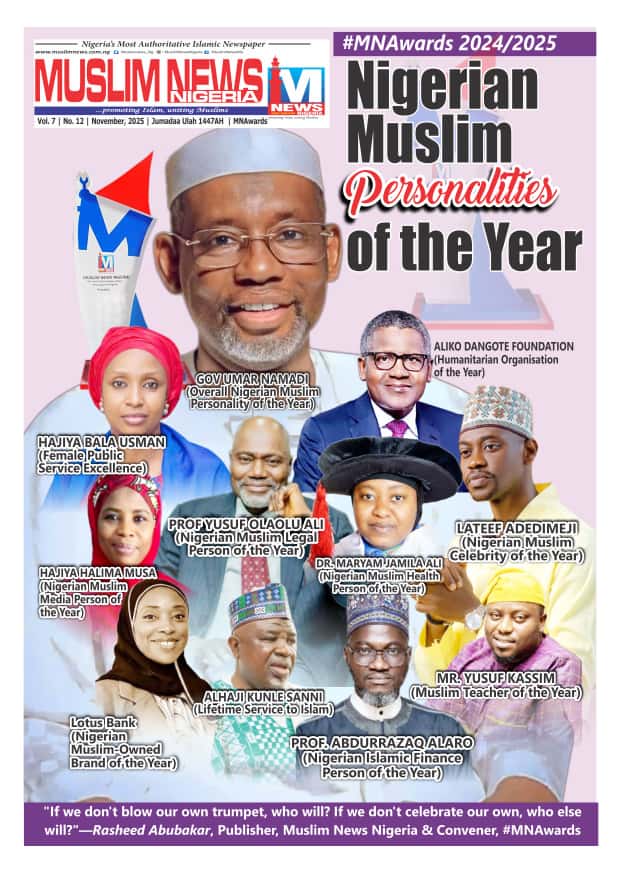
Nigerian Muslim Personalities of the Year 2024/2025
Global Muslim Personalities of the Year 2024/2025




Discover more from Muslim News Nigeria
Subscribe to get the latest posts sent to your email.