

By Rasheed Abubakar
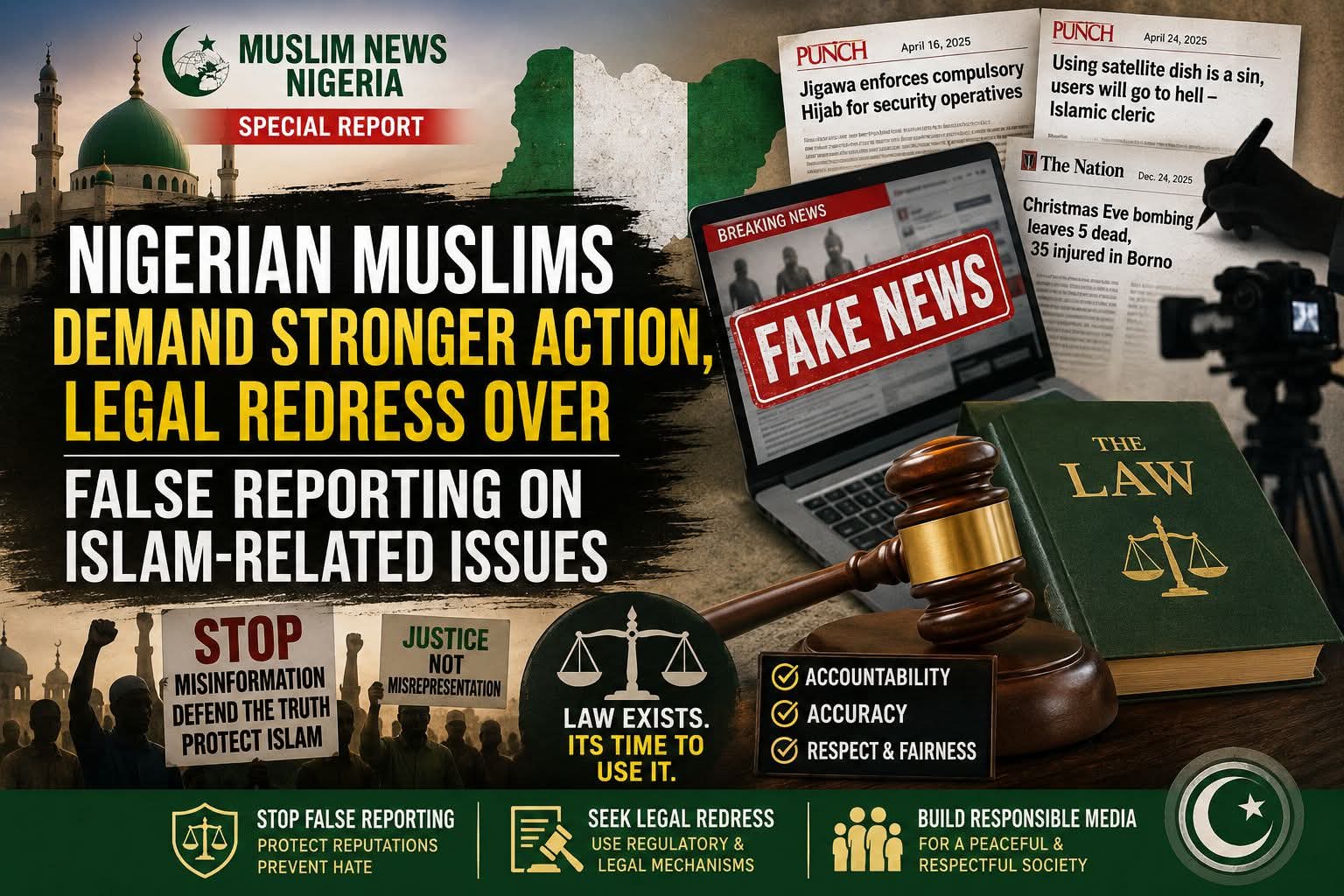
Nigerian Muslims across spectrum are calling for legal action, regulatory intervention, and greater accountability against media organisations, journalists and other individuals who spread misinformation, disinformation, publish inaccurate reports or circulate negative stereotypes about Islam and Muslims.
The renewed calls follow the recent controversy surrounding the abduction of school students and teachers in Oyo State, where several media outlets reported that the kidnappers demanded the implementation of Sharia law as one of the conditions for releasing their victims.
Muslim News reports that mischievous and negative reportage of Islam have generated widespread reactions across the country. Many concerned Individuals posited that the report regarding the purported Shari’ah demand by the bandits reflects the broader tensions in the public discourse on insecurity and religion.
However, the narrative of the abducted Oyo school principal, Mrs. Rachael Alamu put a lie to the ochestrated falsehood when she said on Monday, June 8, in a viral video, that the Shari’ah claim was patently false, dismissing the reports as falsehood and urged wicked citizens not to further complicate their plight by politicising their abduction.
…call for legal redress over false reporting on Islam
The controversy has subsequently sparked reactions among Muslims who call for legal actions to urgently stem the tide of the unfortunate development.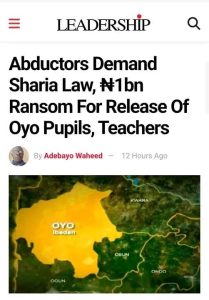
One of such voices is Aliu AbdulSemiu, an Ibadan-based social media commentator, who called on Muslim organisations across Nigeria to seek legal redress against media houses, bloggers, and content creators accused of spreading false information about Islam.
He urged organisations such as the Muslim Lawyers Association of Nigeria (MULAN), Muslim Rights Concern (MURIC), Muslim Ummah of South West Nigeria (MUSWEN), National Council of Muslim Youth Organisations (NACOMYO), Muslim communities, and other Islamic bodies to consider legal action against individuals and organisations responsible for publishing fake reports and misinformation about Islam.
“These things are becoming too much against Islam and Muslims in Nigeria. At least, laws still exist in Nigeria. Muslims must wake up and defend their rights for the sake of future generations,” he said.
The development has consequently reignited debate among Muslims about the consequences of unverified reporting and the need to hold media organisations accountable for stories that may fuel religious tension and reinforce negative stereotypes about Islam.
How did the Shari’ah claim find its way into media reports, Ustadh Nasir asks
Commenting on the controversy, public affairs commentator, Ustadh Kabir Nasir questioned how the Shari’ah claim found its way into mainstream media reports.
According to him, the Speaker of the Oyo State House of Assembly, Hon. Adebo Ogundoyin, whose remarks were widely cited by several media organisations, did not mention a demand for Shari’ah law in anyway.
“The Speaker didn’t even mention a request for Shari’ah law. They invented it and ran away with it. Some mainstream media outlets amplified this,” he said.
Ustadh Nasir also criticised attempts by some commentators to dismiss the principal’s subsequent clarification.
“When the bandits made the principal of the school debunk that they ever requested money or Shari’ah, some people claimed she was speaking under duress. This isn’t about the truth. This is a well-orchestrated plan to attack Islam and Muslims. The earlier we see it as this, the better,” he added.
While expressing satisfaction with the public response to the principal’s clarification, he urged Muslims to consider legal action where there is sufficient evidence of misinformation or defamation.
LASU scholar says laws exist on false reporting, questions enforcement
Muslim News spoke with media and legal experts on the available options for individuals and organisations who believe they have been unfairly portrayed by the media.

A journalism scholar and lecturer at Lagos State University, Dr. Ganiyat Adenle-Tijani, noted that Nigeria’s legal and regulatory framework already contains provisions for addressing misinformation, disinformation, false reporting, and unethical journalism.
“There are provisions within the Nigerian legal and regulatory framework for addressing false reportage, and other forms of biased or unethical media coverage,” she said.
According to her, institutions such as the Nigerian Press Council (NPC) and the National Broadcasting Commission (NBC) are specifically mandated to receive and investigate complaints relating to professional misconduct and violations of media ethics.
She, however, questioned whether Muslim individuals and organisations have consistently utilised these mechanisms by formally reporting such cases to the relevant authorities.
Dr. Adenle-Tijani acknowledged the efforts of organisations such as MURIC and MPAC, which frequently respond to controversial reports through public statements and rebuttals.
“Beyond these responses, there may be value in formally lodging complaints with the relevant regulatory agencies and testing the extent to which these institutions are willing and able to enforce professional standards,” she added.
Digital Media don says legal protections exist against false reports
Also speaking, Dr. Qasim Akinreti, renowned multimedia lecturer and Head of Digital Media at Voice of Nigeria (VON), said the Nigerian Constitution and media laws provide adequate protections against false reporting.
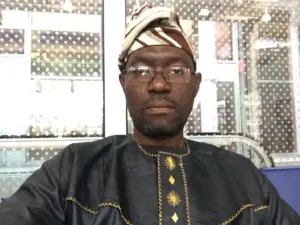
“The Nigerian Constitution and media law have guaranteed rights of reply and court action against fake or false news directed at organisations, individuals, entities, and groups of any kind,” he said.
He said the affected parties could pursue legal remedies through the courts while also filing complaints with regulatory agencies such as the Nigerian Press Council and the National Broadcasting Commission.
“All we need to do is sue media organisations that engage in publishing false reports against Islam where there is sufficient evidence to support such action,” he added.
Media can be sued under existing laws: Orolu-Balogun
A legal practitioner and Director of Hijab Rights Advocacy Initiative, HRAI, Hajia Mutiat Orolu-Balogun similarly maintained that nothing prevents Muslim organisations from seeking judicial intervention against media houses that publish false and damaging reports.
“The truth is that there is nothing stopping us from taking legal action against the news media. We already have laws. We simply need to make use of them,” he said.
She noted that Nigerian law already provides remedies under defamation law, including provisions in the Criminal Code Act and Penal Code, which address the publication of false information capable of harming reputation or public peace.
Hajia Orolu-Balogun, who is also a university lecturer, referenced Section 39 of the 1999 Constitution, which guarantees freedom of expression while allowing legal restrictions to protect the rights and reputation of others.

Past headlines draw scrutiny over media framing of Islam-related stories
Muslim News investigations reveals that beyond the Oyo controversy, there have been previous instances of inaccurate or misleading framing in the Nigerian media reports involving issues relating to Islam and Muslims.
One such example occurred on April 16, 2025, when The Punch newspaper published a headline reading: “Jigawa enforces compulsory Hijab for security operatives.” Analysts noted that the wording suggested coercion and misrepresented the actual policy. Clarifications and public outcry that greeted the misleading report eventually forced the newspaper to later updated the headline to: “Jigawa approves Hijab for security operatives.”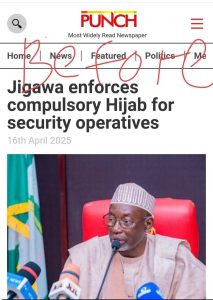
Similarly, on April 24, 2025, the same Punch newspaper published a headline stating: “Using satellite dish is a sin, users will go to hell – Islamic cleric,” in reference to a lecture delivered by Sheikh Habeebullah Al-Ilory. Following a formal complaint from the Markaz legal team and widespread backlash from netizens, the headline was later revised to: “Satellite dishes don’t lead to hell, Islamic cleric faults rigid doctrines.”
Media bias against Islam extends beyond The Punch newspaper
Concerns about media framing of Islam in Nigeria have not been limited to The Punch newspaper. Muslim News fact-checking team noted the reporting of the December 24, 2025 Mosque bombing in Maiduguri as another example of inconsistent and bias treatment in the coverage of attacks involving Muslim victims.
Findings show that when bandits abducted 227 pupils and teachers from a Catholic school in Niger State, The Nation newspaper explicitly identified the institution in its headline: “227 pupils, teachers abducted in Niger Catholic school attack.”
In the same vein, when worshippers were attacked in Eruku, Kwara State, the newspaper published headlines such as: “Bandits kill five in church, cart away worshippers in Kwara,” consistently identifying the church as the location of the attack.
However, following the December 24, 2025 bombing of a mosque near Ngamboru Market in Maiduguri during Maghrib prayers, The Nation newspaper published the headline: “Christmas Eve bombing leaves 5 dead, 35 injured in Borno”.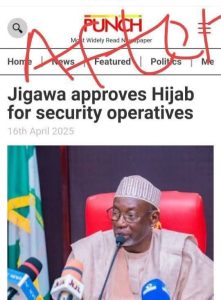
It was noted that the headline omitted “Mosque” and instead framed the tragedy around “Christmas Eve,” a framing which largely misled the readers about the identity of the victims and the location of the attack.
Broadcast Media are not exempt from the concerns over media framing
Channels Television also came under criticism over its report on the same bombing. The station was accused by many of publishing a headline that failed to clearly identify the Mosque as the target of the attack. Following public backlash, the report was later revised.
Reacting to the development, the Executive Director of MPAC, Mallam Disu Kamor, in a social media post on December 25, 2025, accused Channels Television of what he described as institutional bias against Islam.
“We condemn Channels Television’s blatant display of institutional bias against Islam. On this occasion, it edited the Maiduguri mosque blast report to insert ‘Christmas Eve’, a clear manipulation to fuel hatred and Islamophobia,” the organisation said in a statement.
Disu argued that the incident reflected a broader pattern in which stories involving Muslims are sometimes framed differently from similar incidents involving members of other faith communities.
The organisation called for fairness, accuracy, and consistency in reporting incidents involving all religious groups.
International examples show legal ways to address misinformation
Muslim News findings indicate that, unlike in the United Kingdom (UK), where Muslim organisations have frequently pursued formal complaints against newspapers and broadcasters, there are limited evidence and proofs that Nigerian Muslim organisations consistently utilise regulatory or legal mechanisms to challenge reports they consider inaccurate or discriminatory.
Findings further show that there are several notable cases that serve as reference points for media accountability in Britain. A prominent example occurred in 2015 when The Sun (UK) published a front-page headline claiming that “1 in 5 British Muslims” had sympathy for jihadists. The report triggered more than 2,600 complaints from Muslim readers to the Independent Press Standards Organisation (IPSO).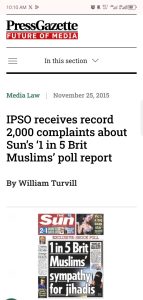
Following investigations, the regulator ruled that the headline was significantly misleading because the underlying survey did not ask respondents whether they supported the Islamic State or jihadist ideology. The complaint was upheld, and the newspaper was required to publish the ruling prominently.
Subsequent cases also led to corrections and apologies from The Sun, The Sunday Times, Mail on Sunday, and, more recently, The Telegraph, which was found in 2024 by the regulator to have inaccurately described the Muslim Association of Britain as an extremist organisation.
These international examples demonstrate how misinformation and misrepresentation can be addressed through formal complaints, regulatory processes, and legal action.
Conclusion
In conclusion, the Oyo abduction controversy has heightened longstanding concerns over media framing of Islam-related issues in Nigeria. Findings indicate that while corrections are sometimes made, initial reportage in sensitive cases continues to raise questions about consistency, verification, and editorial judgment.
Although regulatory bodies exist to address media complaints, their utilisation remains limited, according to Muslim News findings, contributing to calls for stronger institutional engagement and accountability.
Ultimately, the emerging debate reflects broader concerns about trust, representation, and responsibility in media practice, with stakeholders increasingly urging a shift from reactive responses to structured legal and regulatory action where necessary.
* Rasheed Abubakar is the Publisher of MUSLIM NEWS NIGERIA. Email: muslimnewsng@gmail.com
Sponsored

Nigerian Muslim Personalities of the Year 2024/2025
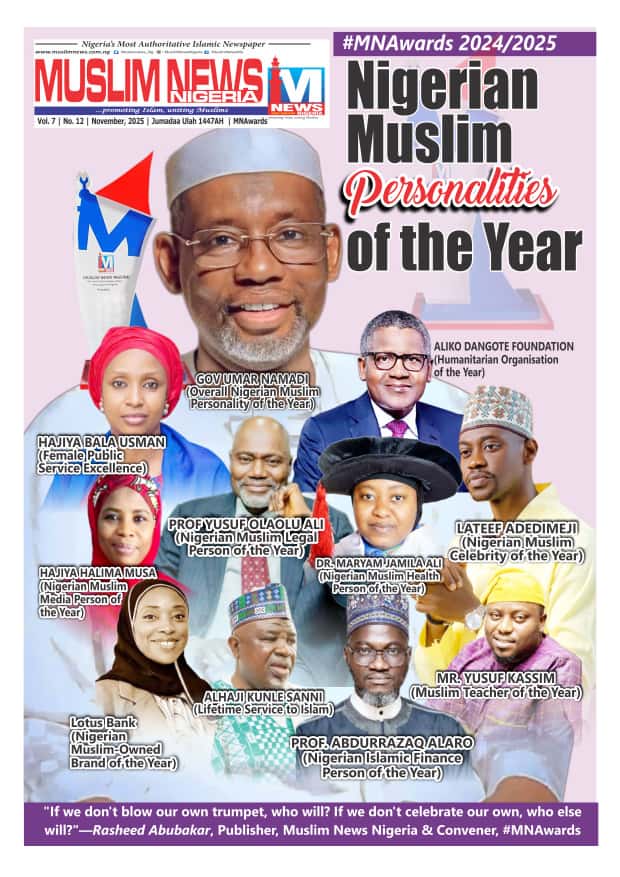
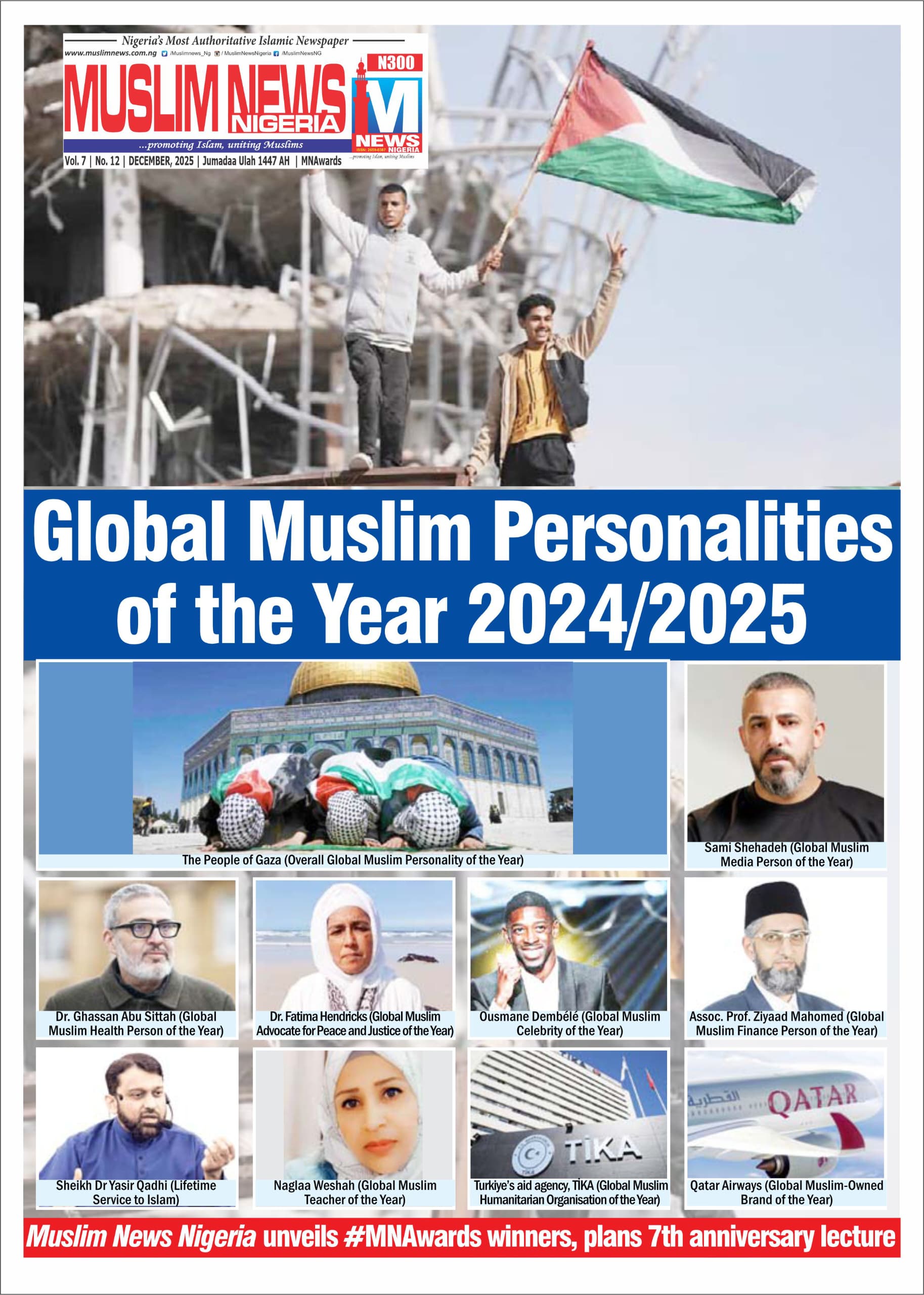
Global Muslim Personalities of the Year 2024/2025



Discover more from Muslim News Nigeria
Subscribe to get the latest posts sent to your email.