

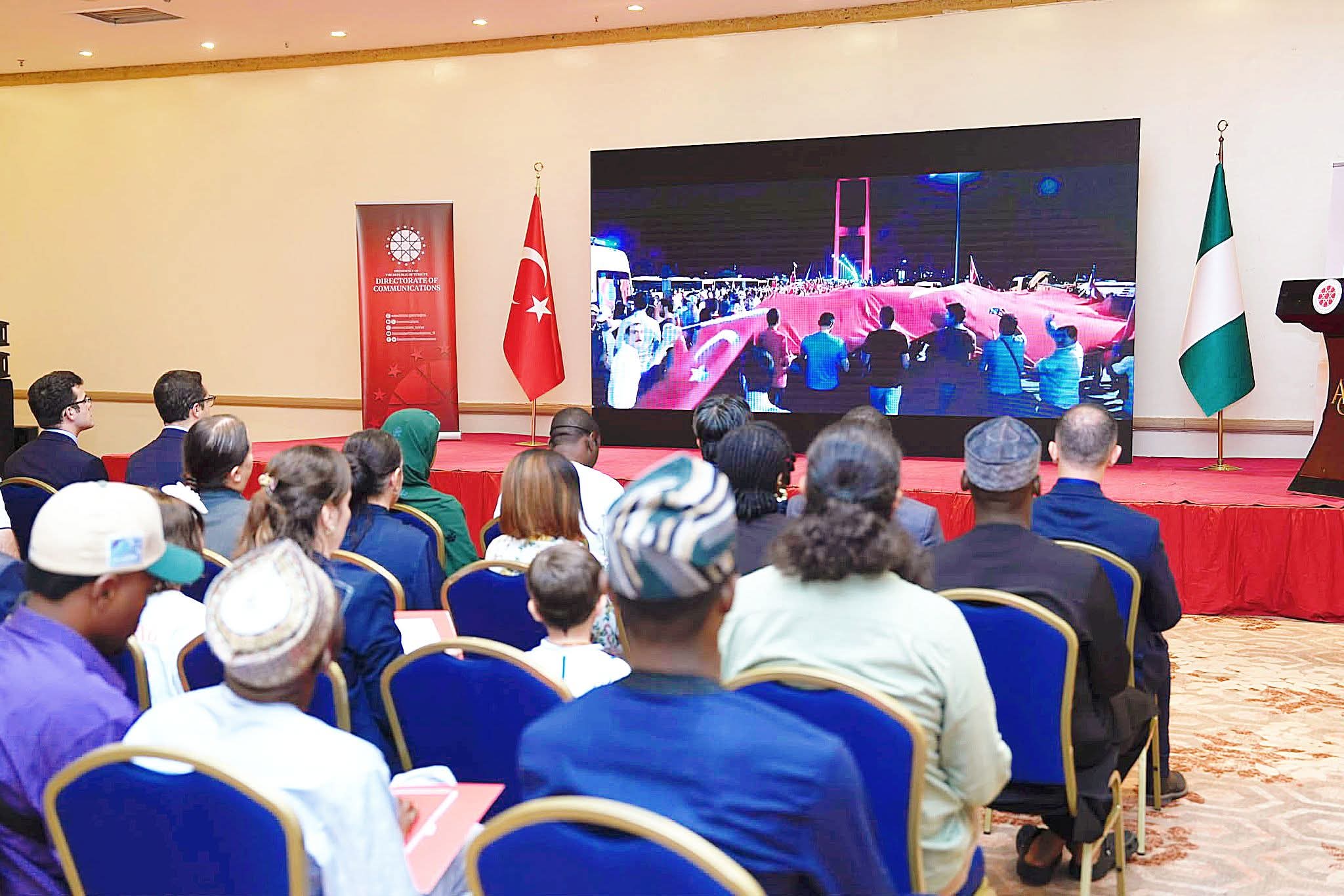
Watching 15/07 Safak Vakti at Türkiye’s Democracy and National Unity Day event in Abuja on Thursday, July 16, completely transformed my understanding of the Muslim call to prayer and its historic role in defeating the July 15, 2016 coup attempt. Rasheed Abubakar writes >>
For many years, I had read accounts of how the adhan, the Muslim call to prayer, played a significant role during the failed coup attempt in Türkiye on July 15, 2016. I understood its importance and why it became one of the most powerful symbols of that historic night. But it was not until Thursday, July 16, 2026, when I watched the documentary 15/07 Safak Vakti (Break of Dawn) during the Democracy and National Unity Day event organised by the Directorate of Communications of the Republic of Türkiye in Abuja, that I truly felt its emotional weight. That is the power of storytelling. It does not merely help people understand history; it allows them to experience it.
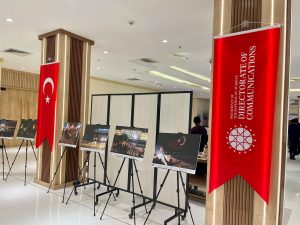
The 2021 Turkish drama and action film, which tells the real life stories of ordinary citizens who resisted the July 15 coup attempt in Istanbul, formed part of the activities marking the tenth anniversary of the defeated coup attempt. Held at the Abuja Continental Hotel, the event honoured the 256 people martyred while defending Türkiye’s constitutional order. It also commemorated one of the defining moments in the country’s democratic history.
The programme featured a photo exhibition capturing scenes from the resistance of July 15 and a panel discussion on the will of the people and democratic resilience, in which I had the honour of serving as one of the panellists alongside other distinguished personalities.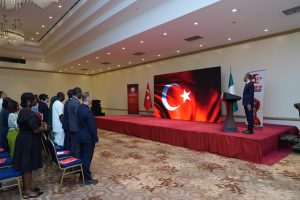
Watching the 96 minute production by Rafadan Hayat Film in collaboration with the Turkish national broadcaster TRT was an emotional experience. It transformed historical facts into vivid human stories. Every actor delivered a compelling performance, but one particular scene remains etched in my memory.
That was the moment when Sela, a character portrayed by Turkish actor Onur Dikmen, courageously initiated the call to prayer as disgruntled coup plotters tightened their grip in an attempt to overthrow the government. Armed soldiers were beating, arresting and shooting civilians who refused to surrender. Amid the chaos, Sela made a decision that would become one of the defining moments of the resistance. Instead of fleeing, he entered a nearby mosque.
Moments later, the sound of the adhan echoed from the mosque’s minaret. “Es salātu ves selāmu aleyke yā Rasūlallāh. Es salātu ves selāmu aleyke yā Habīballāh…” Sela’s voice invoked peace and blessings upon Prophet Muhammad, peace be upon him, while glorifying Allah, the Lord of the worlds.
It was no longer just a call to prayer. It had become a call to courage, unity and national resolve. The soldiers immediately recognised the significance of what was happening. They understood that the call carried the potential to mobilise the people.
According to the documentary, one commander immediately ordered his men to stop Sela before the call could spread. They stormed into the mosque, struck him on the head and dragged him outside. But by then, it was already too late. As they pulled him away, another mosque began the call to prayer. Then another. Then another. Within minutes, the adhan was echoing across towns and cities.
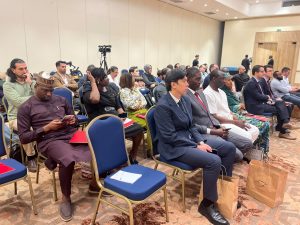
The coup plotters realised they could no longer stop it. What began in one neighbourhood mosque had spread across the country, inspiring ordinary citizens to come out in defence of their democracy, their constitutional order and their elected government.
Soon afterwards, President Recep Tayyip Erdoğan appeared live on CNN Türk after the state broadcaster TRT had been temporarily seized by the coup plotters. Speaking through a mobile phone, he urged citizens to leave their homes and defend their democracy. The rest has become history.
The documentary portrayed those moments with remarkable realism. For a few minutes, it felt less like watching archived footage and more like living through the events as they unfolded. It also helped me better understand why the role of the mosques occupies such an important place in Türkiye’s remembrance of July 15.
According to official Turkish accounts, as the coup attempt unfolded, the Presidency of Religious Affairs, known as Diyanet, instructed imams across the country to recite not only the adhan but also the salâ, a special prayer traditionally proclaimed from mosque minarets on important occasions.
Muslims hear the adhan every day before the five obligatory prayers. Islamic tradition also recognises the recitation of the salâ and special calls from mosques during extraordinary circumstances, including times of war, public emergencies, disasters and moments requiring collective attention. On the night of July 15, 2016, those calls assumed a special purpose.
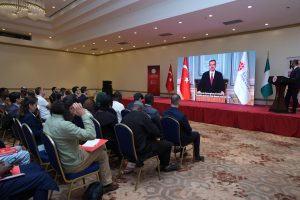
The mosques became centres of peaceful national mobilisation and solidarity. The repeated recitation of the adhan and the salâ encouraged citizens to leave their homes, reject military rule and defend the country’s democratically elected government.
While fighter jets flew overhead and gunfire echoed through the streets, the voices from thousands of mosques reminded people that they shared not only a common faith but also a common responsibility to protect their nation.
As I reflected on that scene, I came to appreciate the importance of the mosque loudspeaker in a way I never had before. Had the adhan and the salâ been confined only to the inside of the mosque, their message would not have reached the streets where people desperately needed hope, courage and direction. The loudspeaker became more than an amplifier. It became a means of communication that united communities, mobilised citizens and helped inspire a peaceful resistance in defence of democracy.
The adhan therefore became more than a religious ritual. It became a symbol of hope during uncertainty. It became a call for unity. It became a reminder that the nation’s future rested not only with its political leaders but also with ordinary citizens willing to defend constitutional rule.
Personally, one of the most profound lessons from the documentary was how it challenged the negative portrayal of Islamic symbols in Western media including movie industry. In my experience, I have sometimes seen Islamic symbols, including the adhan, portrayed alongside scenes of terrorism or violent extremism in Bollywood and Hollywood, which intended to frame the Islamic call to prayer and stereotype Muslims.
What I witnessed in 15/07 Safak Vakti presented a very different reality. On the night of July 15, the adhan was not a call to violence or terrorism. It was a call to unity, courage and the peaceful defence of democracy. It reminded me that the true essence of the Muslim call to prayer is an invitation to worship Allah and, in extraordinary moments, a source of hope, solidarity and moral strength.
While extremist groups have attempted to misuse Islamic symbols for their own agenda, the adhan itself remains a sacred act of worship rooted in faith, peace and devotion.
Today, the call to prayer remains one of the enduring symbols of July 15. Every year on Democracy and National Unity Day, mosques across Türkiye once again recite the salâ in memory of the martyrs. The country remembers those who sacrificed their lives, celebrates the resilience of its people and renews its commitment to democratic governance.
The Turkish experience also offers important lessons for the rest of the world, especially Africa, where democratic institutions continue to face different forms of political and security challenges. Democracy is strengthened not only by constitutions and institutions but also by the patriotism of citizens who are prepared to defend them peacefully when they come under threat.
* Rasheed Abubakar is the Publisher of Muslim News Nigeria. Email: muslimnewsng@gmail.com
Sponsored

Nigerian Muslim Personalities of the Year 2024/2025

Global Muslim Personalities of the Year 2024/2025




Discover more from Muslim News Nigeria
Subscribe to get the latest posts sent to your email.