

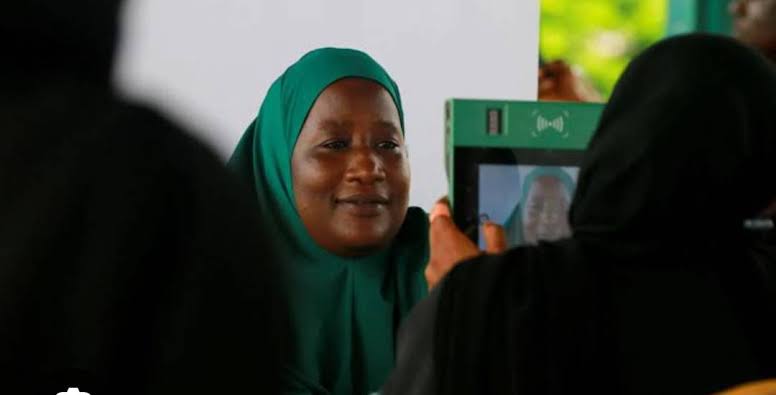
* MURIC faults INEC, warns of possible disenfranchisement of Muslim women in 2027 elections
Muslim women in Osun State have raised concerns over alleged restrictions placed on some hijab-wearing voters during the state’s governorship election on Saturday, August 15, with the Muslim Rights Concern (MURIC) accusing the Independent National Electoral Commission (INEC) of disenfranchising Muslim women.
The controversy followed an incident involving a voter, Sekina Saka, who alleged that an INEC official at Ward 8, Polling Unit 9, in Osogbo Local Government Area, asked her to remove her hijab before she could undergo biometric accreditation and vote.
Saka, who spoke during the election, said she had spent more than six hours at the polling unit before reaching the accreditation stage.
According to her, INEC officials asked her to remove her hijab to enable them capture her biometric details, a demand she described as unfair and an infringement on her religious and personal rights.
“My name is Saka Sekina, this is not my first time of voting. I have been here for hours, more than six hours, and when it is now my turn to vote, they are now asking me to remove my hijab before they can take my capturing and that is unfair,” she said.
Saka also questioned why she should be required to remove her hijab during the electoral process when she had previously undergone biometric registration for her National Identification Number while wearing a similar religious covering.
“It is not possible. Even when I took capturing for my NIN, this is the way I did it. Why must you ask me to remove hijab? This is my personal right,” she said.
She maintained that her hijab was part of her religious practice and should not prevent her from exercising her constitutional right to vote.
“It is my civic right to vote. This is my religion and I have rights to my religion,” she added.
Saka further alleged that the officials asked her to expose her ears during the biometric verification.
“They said I should bring my ears, and it can never be possible,” she said.
The incident occurred amid reports of long queues and other challenges at polling units across the state as voters participated in the governorship election.
MURIC alleges widespread disenfranchisement
Reacting to the incident, MURIC alleged that the restriction was not an isolated case, claiming that thousands of Muslim women wearing hijab were prevented from voting during the election.
In a statement issued on Sunday, August 16, 2026, MURIC Executive Director, Professor Ishaq Akintola, accused INEC of failing to properly educate and instruct its regular and ad hoc staff on religious freedom and the treatment of hijab-wearing voters.
“Thousands of Muslim women who wore hijab were disallowed from voting in the Osun gubernatorial election which took place yesterday, 15th August, 2026. The incident was widespread,” Akintola alleged.
He claimed that some women were only allowed to vote after removing their hijab, describing the alleged incidents as “targeted coercion, humiliation and disenfranchisement.”
MURIC said it had what it described as “concrete and incontrovertible evidence” of the alleged violation, including a video of a hijab-wearing Muslim woman complaining that she was prevented from voting because of her religious covering.
The group blamed INEC for what it described as a violation of the fundamental rights of Muslim women and called for greater accountability over the conduct of electoral officials.
MURIC also called for the removal of INEC Chairman, Professor Joash Amupitan, alleging that the treatment of Muslim women during the election could have affected the outcome of the poll.
The organisation further warned that similar incidents could have wider implications for Muslim voters ahead of the 2027 general elections.
The allegations have raised questions about how electoral officials are trained to handle voters whose religious practices involve covering parts of their bodies during biometric accreditation.
While the allegations made by MURIC require further investigation and response from INEC, the experience recounted by Sekina has renewed concerns among Muslim stakeholders about ensuring that religious observance does not become a barrier to citizens exercising their constitutional right to vote.
INEC is yet to publicly respond to the specific allegations contained in the reports cited above.
The incident also underscores the need for clear and uniform guidelines for biometric accreditation that balance identification requirements with voters’ constitutionally protected religious practices.
Sponsored

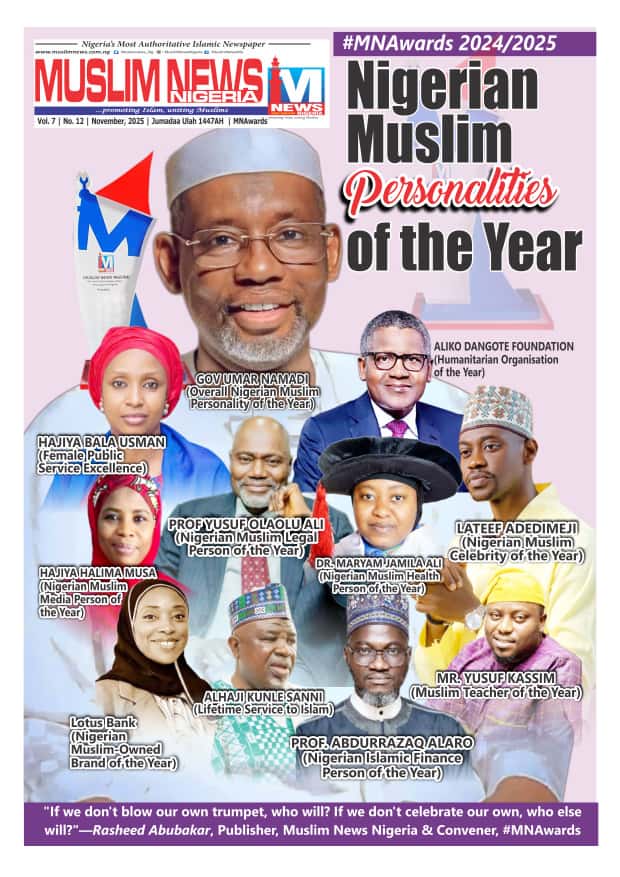
Nigerian Muslim Personalities of the Year 2024/2025
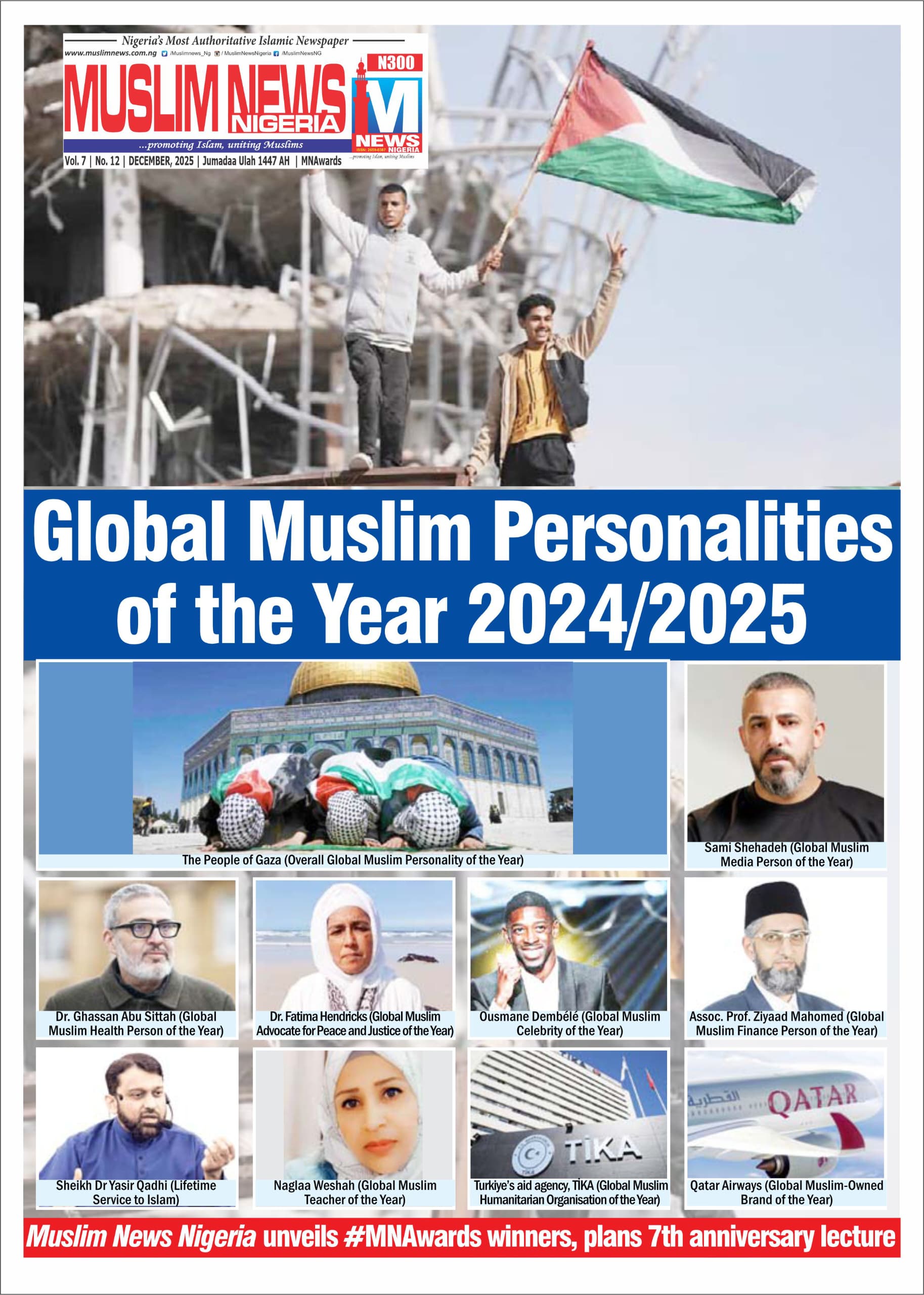
Global Muslim Personalities of the Year 2024/2025



Discover more from Muslim News Nigeria
Subscribe to get the latest posts sent to your email.