

By Rasheed Abubakar
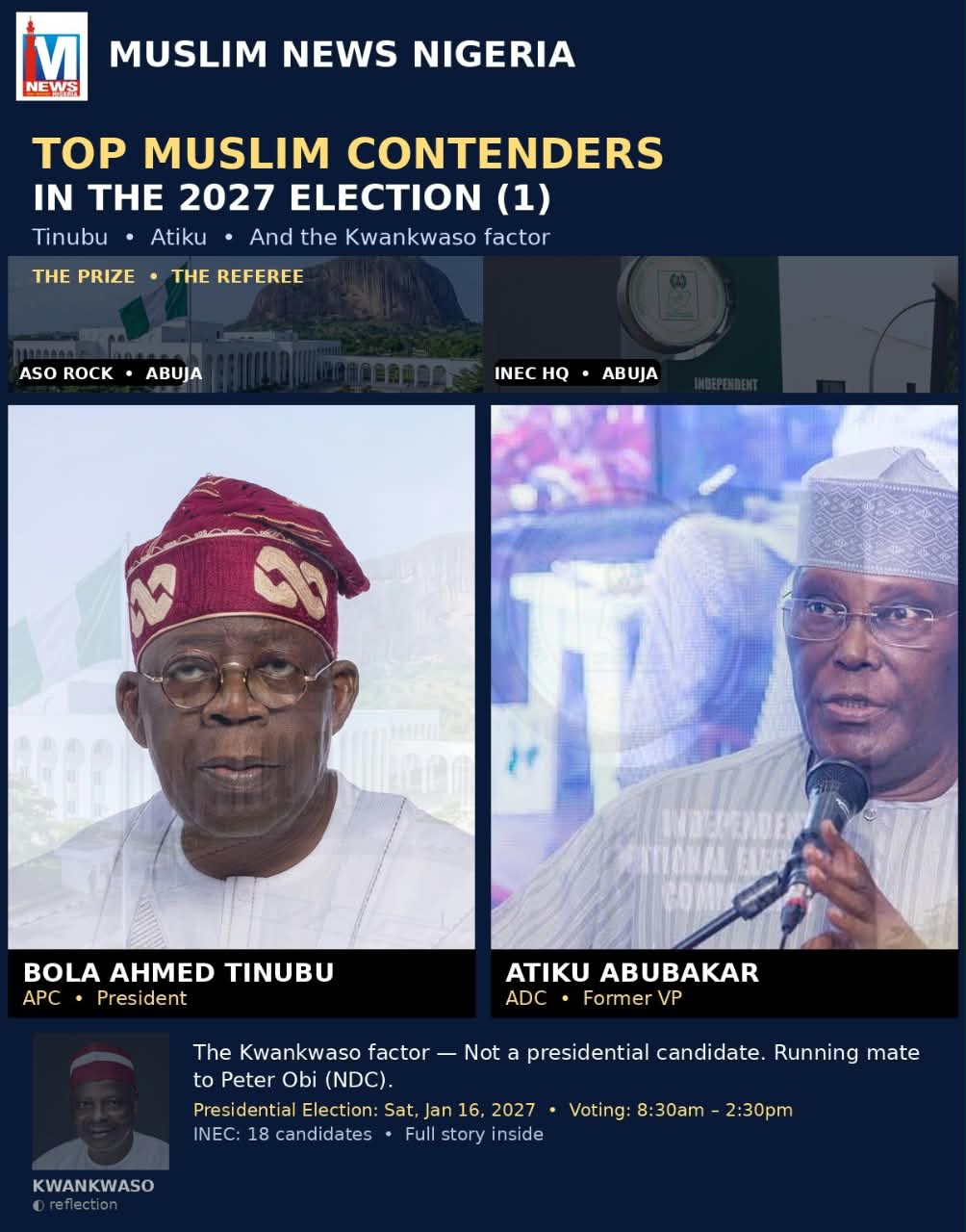
With the 2027 general elections approaching, the political landscape is becoming clearer, but questions remain about the candidates, shifting alliances and the issues likely to influence voters.
The Independent National Electoral Commission (INEC) has published its final list of 18 presidential candidates from 18 political parties. Among the names that appear to suggest a Muslim background are President Bola Ahmed Tinubu of the All Progressives Congress (APC), former Vice President Atiku Abubakar of the African Democratic Congress (ADC), Abbas-Bin Aliyu of the Action Democratic Party (ADP) and Yusuf Kabiru of the Allied Peoples Party (APP). This identification is based on their names, as INEC does not classify candidates by religion.
While the election features several contenders, this report focuses on Tinubu and Atiku as the major Muslim figures in the presidential contest. Former Kano State Governor Rabiu Musa Kwankwaso is also examined because of his influence in northern politics and his position as the running mate to Peter Obi of the Nigeria Democratic Congress (NDC).
Muslim News gathered that the presidential and national assembly elections will hold on Saturday, January 16, 2027, while the governorship and state houses of assembly elections are scheduled for February 6. INEC has fixed the voting period for 8:30 a.m. to 2:30 p.m.
Religion and regional interests in Nigerian politics
Although politicians often caution against introducing religion into political discussions, it remains an important factor in Nigeria’s electoral calculations. The country’s political arrangements have frequently reflected attempts to balance religious and regional interests, particularly in the selection of presidential candidates and their running mates.
Political parties have traditionally considered religious balancing when choosing their presidential tickets, often pairing a Muslim with a Christian, or vice versa, although there have been exceptions where both candidates belong to the same faith. Tinubu’s decision to choose another Muslim, Kashim Shettima, as his running mate in the 2023 election, and his decision to retain him for the 2027 contest, provide a prominent example.
The Muslim-Muslim ticket generated considerable debate in 2023 and remains a subject of discussion ahead of the next election.
Regional considerations are equally influential. In 2023, Tinubu campaigned on the argument that it was the southwest’s turn to produce the president after eight years of northern reign under late Muhammadu Buhari’s administration. His declaration, “Emi lo kan” (it is my turn), captured the power rotation argument.
The same consideration is shaping some political conversations ahead of 2027. Some northern leaders and voters believe the south should complete its two terms before the presidency returns to the North. Others argue that performance, rather than regional entitlement, should determine who leads the country.
These realities make religion and regional identity difficult to separate entirely from Nigeria’s politics. However, they should not prevent voters from examining candidates’ records, competence, integrity and policies.
Tinubu: Economic reforms, appointments and insecurity
President Tinubu is seeking re-election after taking office in May 2023. His administration’s most consequential economic decisions include the removal of fuel subsidy and the changes to the foreign exchange system.
The government has defended the policies as necessary reforms to address longstanding economic distortions. However, their impact on ordinary Nigerians remains a major concern, with households and businesses struggling with high food prices, transportation costs and the rising cost of living.
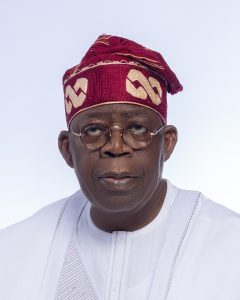
The administration will need to convince voters that its policies are producing tangible improvements and that Nigerians can expect better economic conditions if it secures another term.
Security remains another major challenge facing the Tinubu administration. Insecurity persists across different parts of the country, particularly in the Muslim-majority northwest and northeast, where banditry, kidnapping, insurgency and attacks on communities continue to claim lives, displace residents and disrupt economic activities. Other regions have also recorded serious security threats.
The government’s response to these challenges, including its efforts to protect vulnerable communities, secure the release of abducted persons and restore public confidence in security agencies, will remain an important issue for Muslim voters, particularly those in the affected regions.
Tinubu’s appointments have also attracted criticism from sections of the Muslim community, particularly over the representation of Muslims in influential government positions. Critics have pointed to the number of Yoruba Christians appointed to strategic positions, including prominent individuals associated with the Redeemed Christian Church of God (RCCG), where the First Lady, Senator Oluremi Tinubu, is a Deaconess. They argue that Muslim professionals from the southwest have not received comparable representation in some key appointments.
The concerns have influenced the positions of some Islamic organisations and clerics ahead of the 2027 election. While some have openly opposed Tinubu’s re-election, others have withheld their endorsement or expressed support for his administration.
For instance, the Coalition of Over 1,000 Islamic Clerics, known as Ko Da Naka, has warned against his re-election. The Supreme Council for Shari’ah in Nigeria (SCSN) has also not endorsed Tinubu for a second term, while its leaders have been critical of aspects of his administration, particularly issues surrounding appointments and Muslim representation.
The position of the Muslim Ummah of South West Nigeria (MUSWEN), the umbrella body for Muslims in the region, is particularly noteworthy. Unlike in 2023, when MUSWEN and several Muslim leaders openly endorsed Tinubu’s presidential ambition, the organisation has indicated that it will not endorse any candidate for the 2027 election.
At a press conference in Ibadan on Thursday, November 12, the outgoing MUSWEN President Alhaji Rasaki Oladejo, urged Muslims to participate actively in the election and vote for candidates who fear Allah and will govern with fairness, justice and compassion.
On the other hand, some prominent Islamic organisations have declared support for Tinubu’s re-election. For example, Jama’atu Izalatil Bid’ah Wa Iqamatis Sunnah (JIBWIS) and the Qadiriyya Sufi order have both endorsed Tinubu and Vice President Kashim Shettima for another term, urging their followers across the country to support the ticket.
Atiku: Political experience, past criticisms and legal uncertainty
Former Vice President Atiku Abubakar remains an important opposition figure and a major contender in the 2027 presidential race, although his participation is now surrounded by legal uncertainty.
Atiku served as vice president under President Olusegun Obasanjo from 1999 to 2007. He has contested the presidency several times, including 2019 and 2023, when he finished second behind President Bola Tinubu.
His experience gives him an established political network and national recognition. However, his record in government has attracted criticism. As vice president, he chaired the National Council on Privatisation and was involved in the Obasanjo administration’s economic reform programme.
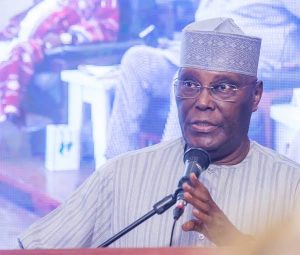
Critics have questioned the outcomes of some privatisation transactions and whether Nigerians received the expected benefits. His relationship with Obasanjo also deteriorated, resulting in a prolonged public disagreement.
ADC crisis and Atiku’s uncertain candidacy
Atiku’s immediate challenge is the leadership crisis within the African Democratic Congress (ADC), which has cast uncertainty over his presidential ticket.
On November 5, 2026, the Federal High Court in Abuja nullified the emergence of the David Mark-led leadership of the party and declared actions taken by it from July 29, 2025, null and void. The ruling has implications for Atiku because the affected leadership organised the primary that produced him as the party’s presidential candidate.
The ADC rejected the judgment and filed an appeal, alongside an application for a stay of execution. However, the party’s lawyer, Kalu Kalu, argued on November 12 that the court did not expressly nullify Atiku’s nomination, despite invalidating decisions taken by the Mark-led leadership.
INEC has said it will study the certified true copy of the judgment and obtain legal advice before deciding on its next course of action. Consequently, Atiku’s eligibility to contest under the ADC remains uncertain pending further legal developments.
If he secures clearance to contest, he will remain one of the leading opposition figures challenging Tinubu. If the legal process ultimately prevents his participation, Tinubu could emerge as the only Muslim among the leading presidential contenders.
Kwankwaso and the Kano political factor
Although former Kano State Governor Rabiu Musa Kwankwaso is not the presidential candidate, his presence as Peter Obi’s running mate makes him an important figure in the 2027 election.
His political influence was evident in 2023, when he contested under the New Nigeria People’s Party (NNPP) and won Kano State with 997,279 votes. He defeated Tinubu, who secured 517,341 votes, Atiku with 131,716 and Obi with 28,513.
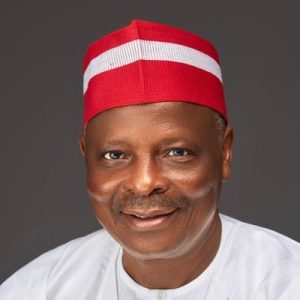
The result demonstrated the strength of the Kwankwasiyya Movement and Kwankwaso’s ability to mobilise voters in Kano. His supporters were instrumental to the NNPP’s success in the state, including the election of his political protégé, Abba Kabir Yusuf, as governor.
However, the political circumstances have changed. Yusuf has since defected to the APC, creating a major division between the governor and his former political mentor. The development raises questions about how much of the political structure that delivered the 2023 result remains firmly under Kwankwaso’s control.
Beyond Kano, another major question is whether Kwankwaso can persuade his northern supporters to back Obi. Some Northern voters may be hesitant because of longstanding concerns about IPOB’s separatist agitation in the southeast and perceptions of Obi’s position on the group.
While Obi has condemned violence and criminal acts attributed to IPOB and other agitators, he has advocated dialogue in addressing separatist grievances. His previous remarks questioning the government’s designation of IPOB as a terrorist organisation have also attracted political criticism.
The Obi-Kwankwaso ticket could benefit from the combination of Obi’s support base and Kwankwaso’s northern political network. However, whether these supporters will translate their loyalty into votes for the joint ticket remains uncertain. Its ability to bridge regional and political divisions could prove decisive in the campaign.
Who should Muslims vote for?
As the 2027 general elections approach, iMuslim voters must carefully consider the candidates seeking their support, particularly their faith, character, credibility, competence and record in public service.
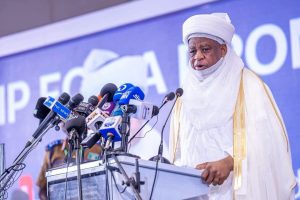
Muslim News Nigeria aligns with the position expressed by the outgoing President of the Muslim Ummah of South West Nigeria (MUSWEN), Alhaji Rasaki Oladejo, who urged Muslims to vote for candidates who fear Allah and are committed to governing with fairness, justice and compassion. This also accords with the broader guidance of the Sultan of Sokoto and President-General of the Nigerian Supreme Council for Islamic Affairs (NSCIA), Alhaji Muhammad Sa’ad Abubakar, on responsible political participation.
For us, the religious identity of a candidate remains an important consideration. As Muslims, we naturally have a responsibility to give serious consideration to credible Muslim candidates who can provide purposeful leadership and protect the interests of the country and its people.
However, being a Muslim should not, on its own, guarantee anyone’s support. The candidate must also demonstrate integrity, competence, accountability, sound judgement and a genuine commitment to justice and good governance.
Where there is no credible Muslim candidate capable of offering such leadership, voters may consider a credible candidate from another faith who can uphold these values and serve the common good.
Muslims should therefore assess candidates’ records and proposals on insecurity, economic hardship, unemployment, education, corruption, religious freedom and the protection of lives and property. They should obtain their Permanent Voter Cards, participate actively in the election and reject vote-buying, intimidation and political manipulation.
Ultimately, our call is for Muslims to make informed choices that reflect both their religious convictions and their responsibility to society. We seek leaders who fear Allah, uphold justice, protect the vulnerable and govern with fairness, competence and compassion.
* By Rasheed Abubakar, for Muslim News Nigeria. Email muslimnewsng@gmail.com
Sponsored
Sponsored

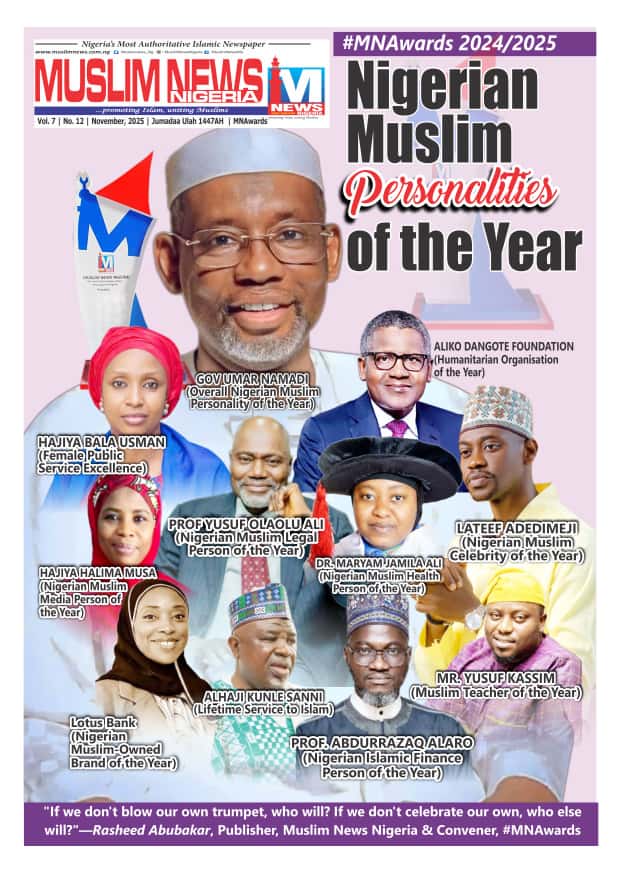
Nigerian Muslim Personalities of the Year 2024/2025
Global Muslim Personalities of the Year 2024/2025




Discover more from Muslim News Nigeria
Subscribe to get the latest posts sent to your email.