

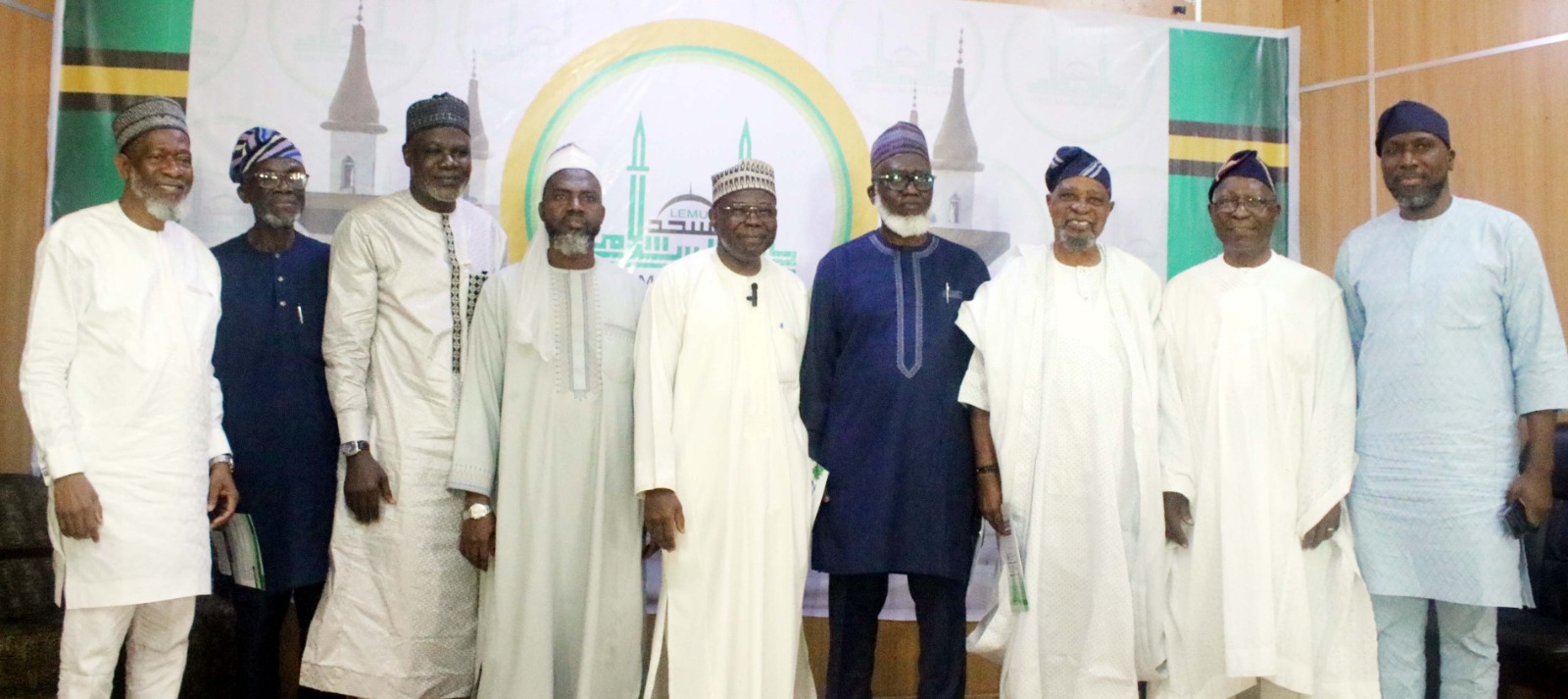
* At quarterly workshop, speakers call for active political participation, engagement with candidates, accountability and fair representation
Muslims have been urged to move beyond voting and political complaints to actively participate in party structures, engage candidates and demand clear commitments on issues affecting their communities ahead of the 2027 general elections.
The speakers also stressed that good governance requires accountability, integrity, justice and fairness, urging Muslim organisations to develop practical strategies for translating their numerical strength into meaningful political influence.
These were among the highlights of the quarterly Da’wah workshop organised by the Lekki Muslim Ummah (LEMU) on Sunday, November 8, 2026, with the theme, “Muslims, Politics and Good Governance.”
The programme, held at the Vice Admiral Jubrila Ayinla Multipurpose Hall, Lekki Central Mosque, Lekki Scheme 1, Lagos, featured lectures by renowned Islamic scholar and preacher, Hon. Dr AbdulHakeem AbduLateef, popularly known as Hon. Iyepe; the Chief Imam of Lekki Central Mosque, Imam Ridwan Jamiu, Ph.D; and the Executive Director of the Muslim Public Affairs Centre (MPAC) Nigeria, Mallam Kamor Disu.
A Consultant Rheumatologist and Physician, Dr Rasheedah Oba, delivered the health talk, while prominent Nigerian businessman, advertising pioneer and politician, Senator Akin Odunsi, chaired the occasion.
Muslim News gathered that former Lagos State Commissioner and legal scholar, Dr Muiz Banire, SAN, was the guest of honour at the workshop, which aimed to educate Muslims, address contemporary societal and spiritual issues, and guide the community on applying Islamic principles to daily life, governance, health and development.
Accountability begins at home – LEMU President
In his welcome address, the LEMU president, Engr. Ibrahim Kayode Akiode, described the workshop as an opportunity to reflect on nation building, civic responsibilities and the values required to sustain a just society.
He said leadership was a trust and that accountability should begin with individuals in their homes, workplaces, businesses and community institutions.
Engr. Akiode challenged Muslims to examine their conduct, including whether they acted fairly, kept promises, protected entrusted responsibilities and treated others with dignity, even when they disagreed.
“The qualities we expect in public life must also be visible in our daily conduct,” he said.
He added that honesty, competence, compassion and fairness should guide people’s service to others, while justice required listening carefully, judging fairly and considering those whose voices were often overlooked.
Muslims should not run away from politics: Odunsi
Chairman of the occasion, Senator Akin Odunsi, urged Muslims to participate actively in politics, arguing that the country needed people of strong moral character to manage its affairs.
He said his experience in active politics had reinforced his belief in the importance of Muslim participation in governance.
“Muslims, true Muslims, should not run away from politics,” the former senator, who represented Ogun West Senatorial District in the 7th National Assembly, said.
Senator Odunsi attributed his conduct in public life to the values instilled in him by his family, education, mosque (referring to LEMU) and friends.
“With all due respect, and without fear of contradiction, I can say very proudly that my years in politics, in active politics, there is nothing that can be written or said that I have done that is not right,” he said.
The former senator, who attended CMS Grammar School, Bariga, Lagos, said his family background and other formative experiences shaped his political values.
Although he left the Senate 11 years ago, he said he remained active in his community.
“We need good Muslims for us to have good governance in this country,” he said, expressing hope that the workshop would further educate participants on their responsibilities.
Muslims must lead nation building through personal responsibility: Hon Iyepe
In his lecture on “Role of Muslims in Nation Building,” Hon. Iyepe, urged Muslims to take responsibility for national development by upholding Islamic values, raising responsible children and participating actively in governance.
Citing Surah Al-Imran, verse 110, he reminded the audience that Allah described Muslims as “the best community evolved for mankind”, explaining that this distinction came with the responsibility to command good, forbid evil and believe in Allah.
“Today’s Muslims, where are they in all these three qualities? Do we truly command what is right? Do we truly forbid what is wrong?” he asked.
The former Chairman of the Nigeria Deposit Insurance Corporation (NDIC) said Muslims must understand that their primary purpose in life is to obey Allah, adding that the Qur’an provides the guidance needed to fulfil that responsibility.
He likened the Qur’an to a manufacturer’s manual, warning that people could not expect a product to function properly if they ignored the instructions provided for its use.
The former Lagos State Commissioner for Home Affairs identified personal responsibility as the foundation of societal change, urging Muslims to reform their own conduct before criticising others.
Hon. Iyepe also described self-discipline as an essential aspect of leadership, urging Muslims to control their desires, speech and actions in accordance with Islamic teachings.
According to him, achieving good governance requires a clear destination, the right direction and determination to follow it.
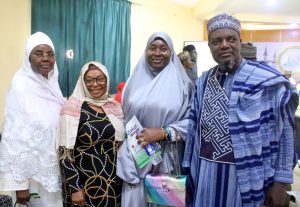
As the 2027 general elections approach, the renowned and eloquent speaker urged Muslims to overcome political apathy, obtain their Permanent Voter Cards and participate in choosing leaders.
He expressed support for Lagos State Deputy Governor Dr Kadiri Obafemi Hamzat, describing him as humble, competent and experienced.
“Use your PVC, be active as far as Islam is concerned, you are doing an act of Ibadah,” he told participants, stressing that nation building requires personal responsibility and active civic engagement.
Muslims must move beyond criticism to political participation, Imam Lekki
Similarly, Chief Imam of Lekki Central Mosque, Imam Ridwan Jamiu, urged Muslims to take an active role in Nigeria’s political process, describing voting as a civic responsibility and an important means of influencing leadership and promoting good governance.
Delivering a lecture titled “2027 General
Elections: Voting as a Civic Responsibility”, Imam Jamiu challenged Muslims to move beyond criticising those in power and become part of the process of choosing leaders.
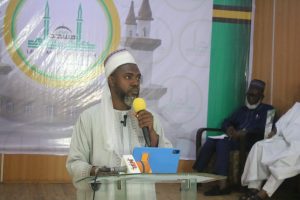
He said Muslims had a responsibility to serve as witnesses for Allah on earth, adding that their conduct should reflect the values of Prophet Muhammad (SAW), whom they regard as the best example for humanity.
According to him, Muslims could contribute to correcting societal ills by using their authority and influence, speaking out against wrongdoing or, at the very least, rejecting it in their hearts.
“We must not be armchair critics. We must be among those who make things happen because things will not happen by themselves,” he said, citing the Qur’anic injunction that Allah does not change the condition of a people until they change what is within themselves.
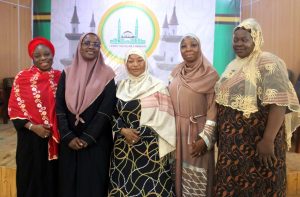
Imam Jamiu dismissed the notion that voting was incompatible with Islam, explaining that elections were essentially a means of choosing leaders.
He cited the different consultative processes through which the first four Rightly Guided Caliphs emerged, arguing that leadership selection should involve consultation and the participation of the people.
The respected Muslim scholar added that Nigeria’s democratic system provided citizens with an opportunity to choose their leaders and exercise constitutionally recognised religious rights, including access to Sharia courts for Islamic personal and family matters.
On the responsibilities of voters, Imam Jamiu warned against vote buying and supporting candidates for personal material gain, arguing that such practices encouraged corruption and undermined accountability.
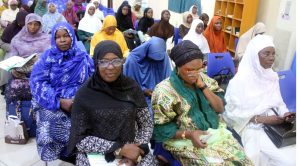
“Anyone you cannot defend in the sight of Allah, you cannot vote for him, and you must not sell your conscience,” he said, urging Muslims to make political choices in the collective interest of society.
Good governance requires fairness and inclusion: Mal. Disu
Executive Director of Muslim Public Affairs Centre (MPAC) said justice, fairness, equity and inclusiveness must be central to governance, warning that political participation would mean little if it did not translate into fair representation and equal protection for citizens.
Speaking on “Justice, Fairness, Equity and Inclusiveness: Essentials of Good Governance”, Mal. Disu said Muslims must assess political leaders not only by campaign promises or party affiliations but also by how they distribute opportunities and protect the rights of different communities.
He reflected on the debate surrounding the 2023 Muslim-Muslim presidential ticket, arguing that the emergence of Muslim candidates in prominent positions should not be confused with equitable representation in government.
Citing figures from MPAC’s research and other reports, he questioned the distribution of political appointments in the Southwest and at the federal level. He also referred to the organisation’s report, A Fair Deal or None, published in July 2026, which examined the representation and treatment of Muslims over a 10-year period.
Mal. Disu presented figures on the religious composition of commissioners across Southwest states, including Lagos, Ogun, Oyo, Osun, Ekiti and Ondo, to support his argument that political inclusion should be assessed through verifiable appointments and opportunities.
He also cited reports on the composition of federal appointments, urging political leaders to ensure that no section of the population was unfairly excluded.
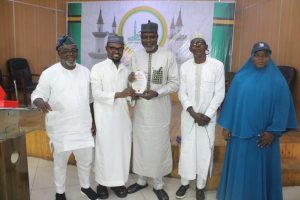
The Executive Director said the concerns extended beyond political appointments to religious freedom, the establishment of mosques, access to justice and the implementation of rights relating to the wearing of hijab.
Referring to MPAC research on discrimination against hijab-wearing women, Mal. Disu said a significant number had experienced discrimination, while many incidents remained unreported because of fear of retaliation.
He also emphasised the importance of equal protection under the law, particularly in cases involving accusations of religious or communal wrongdoing. “Accusation is not proof, and a mob is not a court,” he said, stressing that every citizen deserved due process and protection irrespective of religious identity.
The human rights advocate argued that exclusion could undermine public trust, waste human talent and create grievances that could be exploited by extremist or separatist groups. He described equity as not only a matter of justice but also a strategy for national security.
He maintained that merit and inclusion were not mutually exclusive, urging Muslim organisations to demand fairness for all Nigerians while ensuring that qualified people from their communities were not overlooked.
Oba: Healthy living essential to ageing gracefully
One of the highlights of the workshop was a health session titled “Prevention and Treatment of Degenerative Diseases”, during which Dr Rasheedah Oba advised participants to adopt healthier lifestyles to reduce the risk of degenerative conditions and maintain their independence as they age.
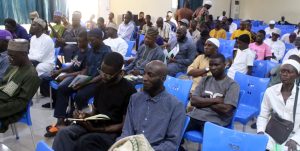
Oba, a Consultant Rheumatologist and Physician, explained that degenerative diseases involved the gradual deterioration of the structure or function of body organs and tissues, often associated with ageing and influenced by factors such as genetics, diet, physical activity and the environment.
She identified the nervous system, muscles, bones, joints, cardiovascular system and eyes as some of the areas that could be affected. Symptoms, she said, might include memory loss, difficulty recognising familiar people, behavioural changes, joint pain, stiffness, poor mobility and changes in vision.
The physician warned that poor dietary habits, excessive salt and sugar consumption, obesity, smoking, alcohol and highly processed foods could increase health risks. She also explained how pain could reduce mobility, contribute to weight gain and worsen existing conditions.
“My food is my medicine, before taking any medicine,” she said, emphasising the importance of nutritious meals as part of preventive healthcare.
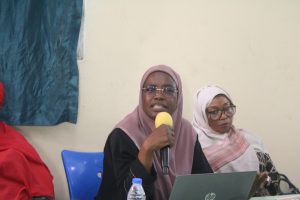
She encouraged participants to remain physically active through activities such as walking, climbing stairs where safe and taking breaks from prolonged sitting. She also recommended maintaining a healthy weight, using supportive footwear, observing good posture and seeking medical attention when symptoms persisted.
Oba further advised older adults to keep their minds active through reading, learning new skills and engaging in social activities. She stressed the importance of adequate sleep, hydration and routine medical checks, particularly for people with chronic conditions or a family history of certain diseases.
She cautioned against self-diagnosis and relying on online searches or artificial intelligence for medical decisions, urging participants to consult qualified health professionals and follow prescribed treatment.
Engage candidates before mobilising Muslim votes: Banire, SAN
Guest of honour, Dr Muiz Banire, SAN, challenged Muslim organisations to develop a clear political agenda and negotiate with candidates before mobilising their members to support them during elections.
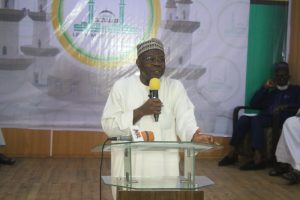
Banire, SAN, described the workshop’s theme as timely, noting that Muslims could not afford to remain outside politics if they wanted to influence decisions affecting their communities and the country.
He cited Prophet Muhammad (SAW) as an example of a religious leader who also provided political leadership, but acknowledged that active participation in Nigeria’s political environment could be difficult for Muslims committed to Islamic values.
“It is not politics itself that is dirty, but the people involved in it,” he said, urging Muslims to develop the capacity to navigate the political environment without compromising their principles.
The former Lagos State Commissioner for Special Duties, Transportation and the Environment said numerical strength did not automatically translate into political influence, arguing that Muslims in Lagos, despite their considerable population, had not always converted their numbers into commensurate political benefits.
The legal practitioner also urged Muslims to encourage more people with good character and competence to participate in politics, saying that a stronger Muslim presence in decision-making positions would help address concerns about representation and governance.
“If you are able to mobilise 10 per cent good people into politics, everything will change,” he said.
Sponsored
Sponsored

Nigerian Muslim Personalities of the Year 2024/2025
Global Muslim Personalities of the Year 2024/2025



Discover more from Muslim News Nigeria
Subscribe to get the latest posts sent to your email.