

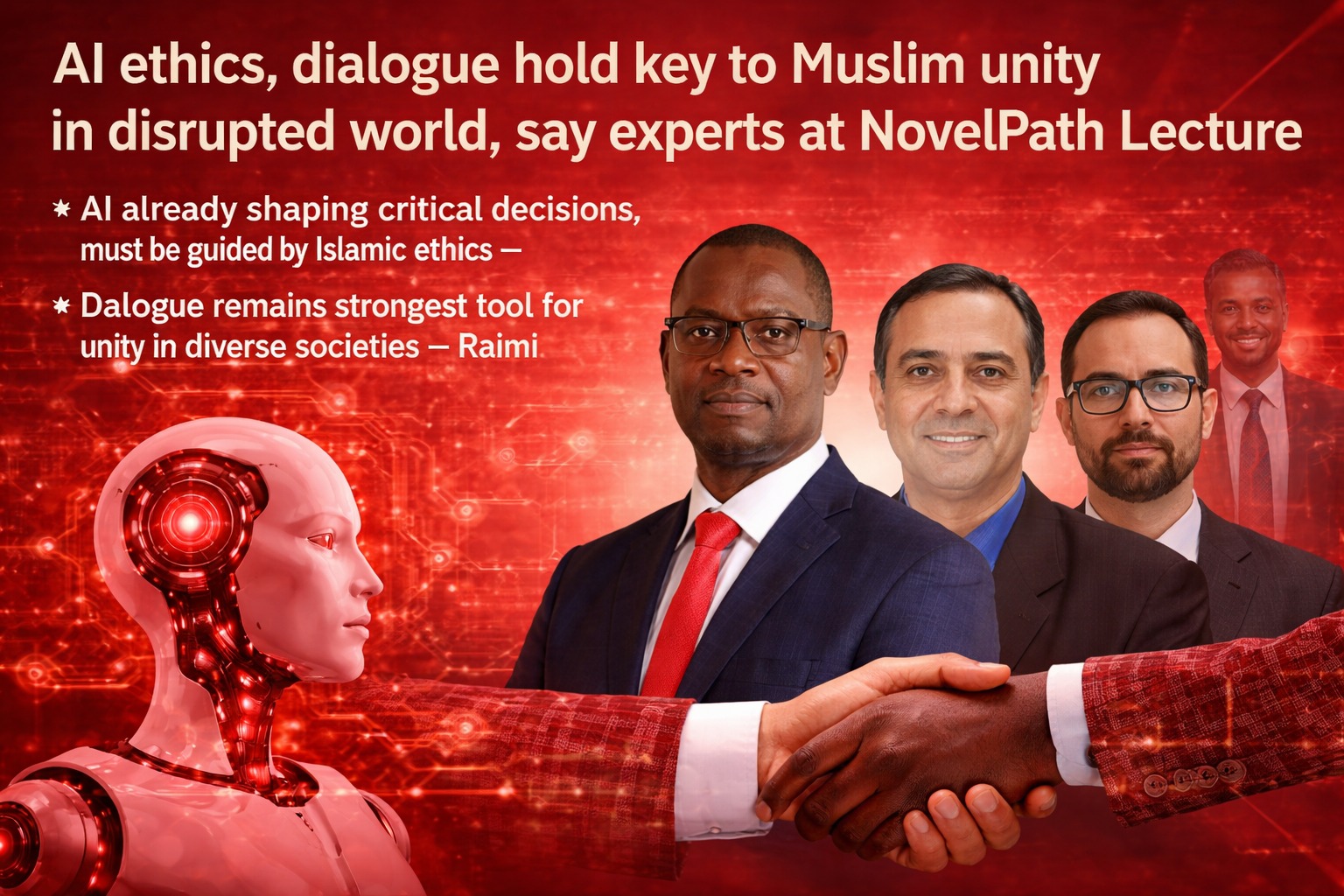
* AI already shaping critical decisions, must be guided by Islamic ethics: Habaebi
* Dialogue remains strongest tool for unity in diverse societies: Raimi
Artificial intelligence and automation pose both significant opportunities and ethical challenges for Muslim communities, experts said at the 2025 Annual Lecture Series organised by NovelPath Limited, where participants examined how emerging technologies can be engaged responsibly in line with Islamic values.
The two-day virtual lecture, themed “Navigating Faith, Wellness, and Prosperity in a Disrupted World,” was held between Saturday, December 27 and Sunday, December 28, bringing together scholars and professionals from across continents to discuss faith-based responses to social, economic and technological disruption.
AI already shaping critical decisions: Habaebi
Speaking on the topic, “AI, Automation, and the Ummah: Opportunities and Ethical Challenges Ahead,” Prof. Mohamed Hadi Habaebi of the Kulliyyah of Engineering, International Islamic University Malaysia, said artificial intelligence is already reshaping key sectors such as education, finance, healthcare and governance.
“AI is not a distant future,” Habaebi said, adding that, “It is shaping our decisions today.”
The versity don identified several areas where AI could support Islamic scholarship and community development, including intelligent access to classical texts, advanced Qur’anic learning tools, ethical screening in Islamic finance, educational platforms, and improved efficiency in managing zakat and charitable distributions.
He however cautioned against uncritical adoption of the technology, warning that issues such as data privacy, algorithmic bias, misinformation, surveillance and the erosion of human judgement could undermine justice and human dignity if left unchecked.
According to him, “Technology is not neutral. Without ethical guidance, AI can magnify injustice rather than reduce it.”
Prof Habaebi urged Muslim scholars, technologists and policymakers to take an active role in shaping the design and governance of AI systems, rather than remaining passive consumers.
Dialogue, strongest tool for unity in diverse societies
Earlier on Day 1, the focus shifted to social cohesion during a session titled “Bridging Divides: Dialogue, Diversity, and Brotherhood.” Dr Lukman Raimi, Assistant Professor of Entrepreneurship and Programme Leader at Universiti Brunei Darussalam, used Nigeria as a case study, while Ustadh Yusuf Kara, Manager of the Nursi Research and Training Centre (NRTC) in Malaysia, shared valuable lessons from Turkey.
The two speakers said misunderstanding and exclusion often thrive where dialogue is absent, stressing that diversity is an unavoidable reality of modern societies.
Dr Raimi argued that dialogue is not about erasing differences, but about managing them ethically. He stressed that Islam promotes justice, empathy, and respect for human dignity, values that are essential for coexistence in plural societies.
Ustadh Yusuf Kara encouraged the participants to see dialogue as a civic responsibility, especially in contexts where ethnic, religious, and ideological tensions threaten social cohesion.
NovelPath’s shift from academia to community impact: Bamiro
In his welcome address, the Director of NovelPath Limited, Dr Akeem Bamiro, reflected on the organisation’s evolution from a voluntary academic platform to a registered public education and community-focused organisation.
He said NovelPath began as the Association of Muslims in Academics, established to promote intellectual exchange and mentorship.
“As the years passed, our conversations expanded beyond academic spaces,” Bamiro said.
“We began to engage questions of livelihood, wellness, family, technology, and national responsibility. That growth led to our transition into NovelPath Limited.”
He explained that the organisation now runs initiatives including Ramadan public lectures, welfare and Qurbani programmes, youth and professional development activities, alongside the Annual Lecture Series, which has become its flagship platform.
Organisers said the lecture series reinforced the interconnectedness of faith, knowledge and social responsibility, noting that ethical technology use, respectful dialogue and community wellbeing must be addressed together.
They added that the discussions would inform future engagements aimed at promoting responsible leadership and inclusive development in a rapidly changing world.
Sponsored
Sponsored

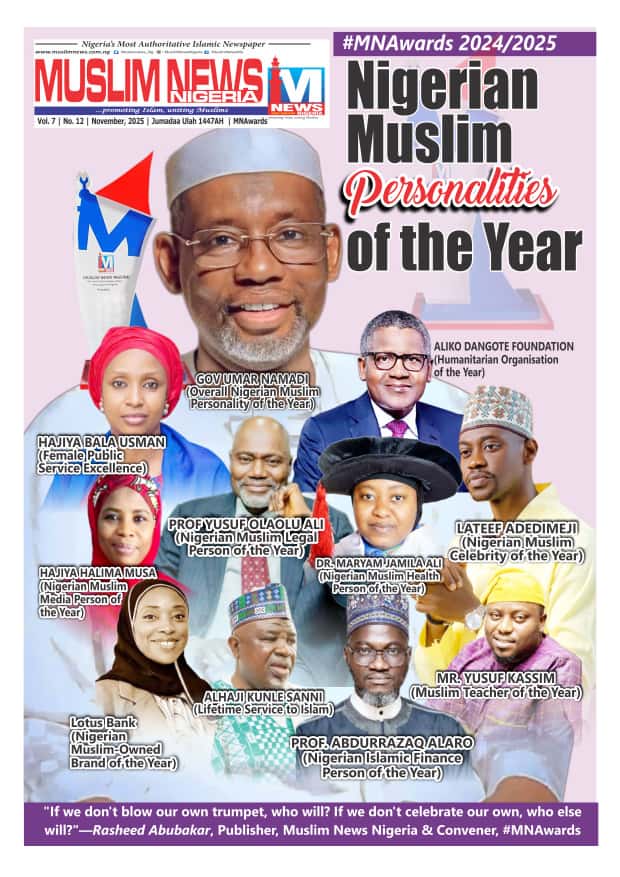
Nigerian Muslim Personalities of the Year 2024/2025
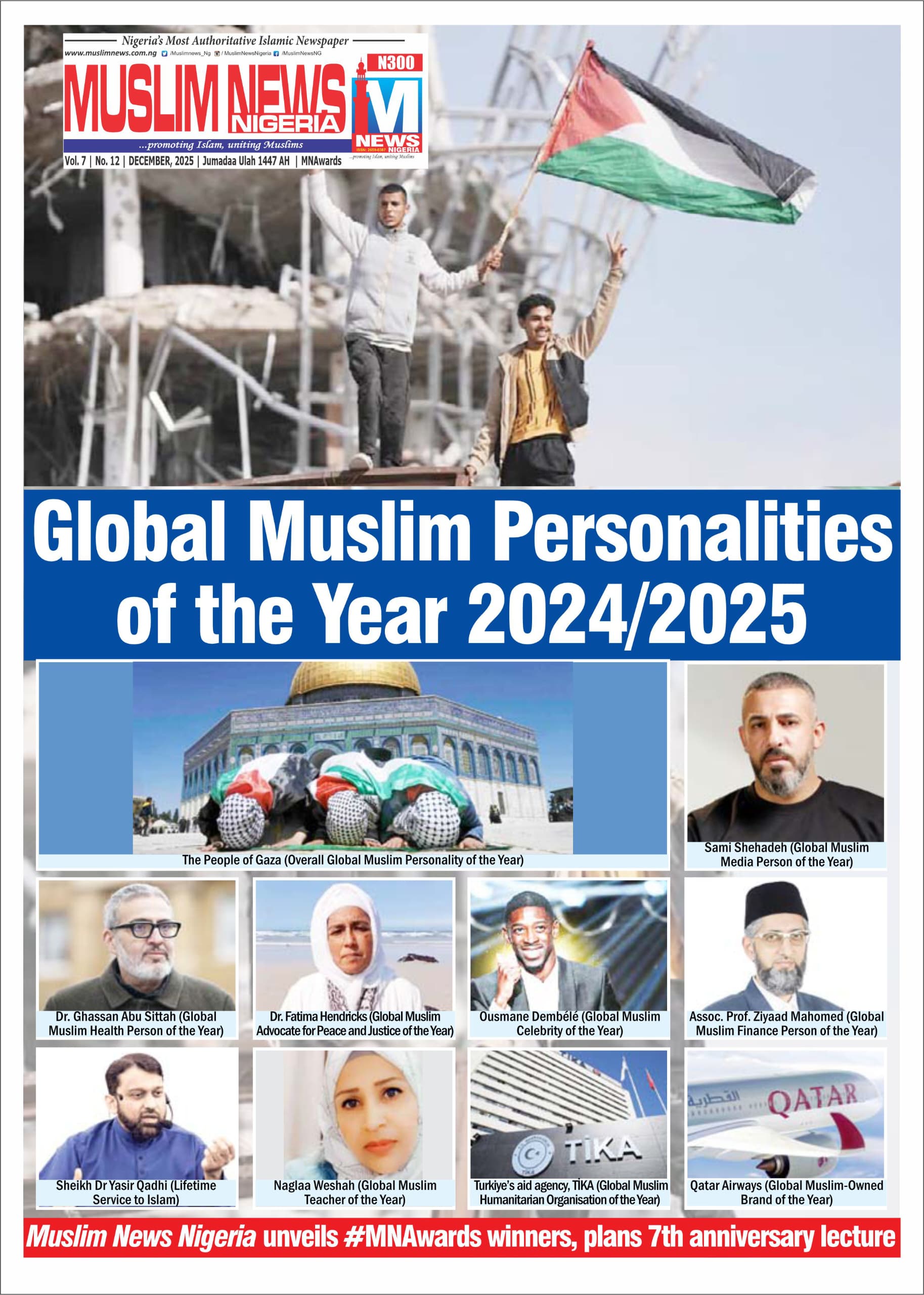
Global Muslim Personalities of the Year 2024/2025



Discover more from Muslim News Nigeria
Subscribe to get the latest posts sent to your email.