

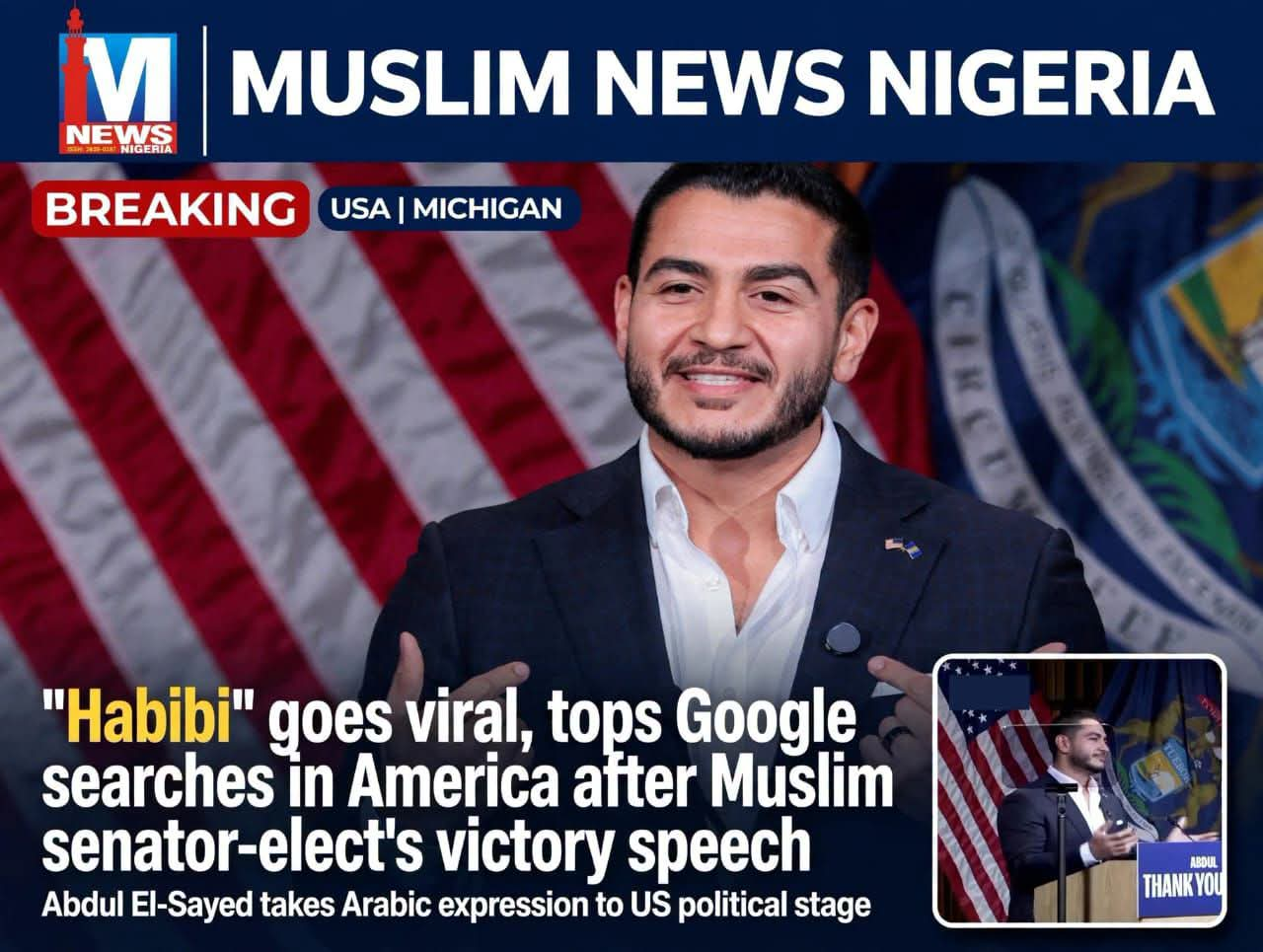
* ‘Abdul El-Sayed takes Arabic expression to US political stage
An Arabic expression of affection, Habibi, has attracted widespread attention across the United States, becoming a trending Google search term following the victory speech of Egyptian-American Muslim politician, Dr Abdulrahman Mohamed El-Sayed, who used the word while addressing US Vice President JD Vance.
The expression, which means “my beloved”, “my dear” or “my love”, sparked curiosity among Americans after El-Sayed used it during his speech in Detroit on Wednesday, November 4, following his victory in Michigan’s US Senate election.
Searches for “Habibi meaning” reportedly surged after the remark, with people turning to Google to understand the Arabic word and its context. The development has brought an expression familiar to millions of Arabic speakers and Muslims worldwide into the spotlight of American public conversation.
El-Sayed defeated Republican candidate and former Congressman Mike Rogers in the November 3 election, making history as the first Muslim elected to the United States Senate. His victory also marked a significant moment for Muslim representation in American political institutions.
How ‘Habibi’ entered American political conversation
Addressing Vance during his victory speech, El-Sayed highlighted the irony that the vice president, who had criticised him during the election campaign, would be constitutionally required to administer his oath of office when the new Senate convenes in January 2027.
“JD, habibi, there is this delicious irony in the fact that you’re constitutionally obligated to swear me in in January,” he said, drawing loud cheers and laughter from supporters.
He subsequently made a humorous reference to the sporting rivalry between the University of Michigan Wolverines, which he attended, and Ohio State University’s Buckeyes, Vance’s alma mater.
“So you know what that means? Wolverine 1, Buckeye 0,” he added.
El-Sayed also addressed US President Donald Trump, who had repeatedly struggled with the pronunciation of his name during the campaign.
“Donald, look, I know you struggle with my name. So after JD swears me in January, you can just go on and call me Senator,” he said.
What does Habibi mean?
Habibi is an Arabic term of endearment derived from Habib, meaning beloved, with the suffix i meaning “my”. It is commonly used to address loved ones, family members and friends, although its meaning and tone can vary depending on the relationship and context.
The feminine equivalent is Habibti. Both expressions are widely used across Arabic-speaking communities and have become familiar among Muslims around the world.
Although Habibi is not exclusively a religious expression, Arabic holds a special place in Islam as the language of the Holy Qur’an and the original language of the teachings of Prophet Muhammad (peace be upon him).
From Nigeria to Indonesia, Türkiye to Egypt, and across the Middle East and beyond, Arabic expressions form part of the everyday vocabulary of millions of Muslims, including those whose mother tongues are not Arabic.
Expressions such as Insha Allah (God willing), Alhamdulillah (all praise is due to Allah), Masha Allah (what Allah has willed) and Habibi are widely recognised in Muslim communities, reflecting the enduring influence of Arabic language and culture.
A moment of cultural pride for Arabs and Muslims
Beyond the political humour, El-Sayed’s use of the expression resonated with Arabs and Muslims, many of whom celebrated his election and his willingness to embrace his Egyptian heritage on a major American political stage.
The Associated Press reported that Arabs across the Middle East and beyond celebrated his victory, with social media users sharing music clips and humorous posts featuring Habibi following his remarks.
Egyptian academic Khalil al-Anani also praised the moment, describing Habibi as “the sweetest word” and thanking El-Sayed for bringing joy to Egyptians.
The development is particularly significant given the religious and identity-based attacks El-Sayed faced during the election campaign. President Trump and other Republican figures reportedly used labels such as “jihadist” against him, while questions were raised about his Muslim identity and political positions.
Rather than distance himself from his background, the senator-elect openly embraced his name, faith and Egyptian heritage throughout the campaign.
During his victory speech, he also recalled how some parents had struggled to explain to their children why a president would openly mock someone because of their name or how they pray.
He urged them to tell their children that “the bad guys lost”, following his electoral victory.
From Insha Allah to Alhamdulillah
Interestingly, Habibi was not the only Arabic expression that featured prominently in El-Sayed’s victory speech.
He recalled repeatedly saying Insha Allah, meaning “God willing”, whenever people asked about his chances of winning the election.
Following his victory, he told supporters: “Today, tonight, we can turn that ‘Insha Allah’ into an ‘Alhamdulillah’.”
He explained that Alhamdulillah means “praise be to God”, an expression of gratitude commonly used by Muslims worldwide.
His open use of these expressions brought familiar elements of Muslim religious and cultural life into the American political conversation, attracting attention beyond his immediate supporters.
For Muslims, the moment serves as another reminder that their faith, names, language and cultural heritage are not obstacles to public participation or leadership. They are part of the identities they have every right to express with dignity and confidence.
While the sudden popularity of Habibi may have been triggered by a political exchange, its wider significance lies in the visibility it has given to Arabic language and the rich cultural heritage shared by Muslim communities across the world.
Sponsored
Sponsored

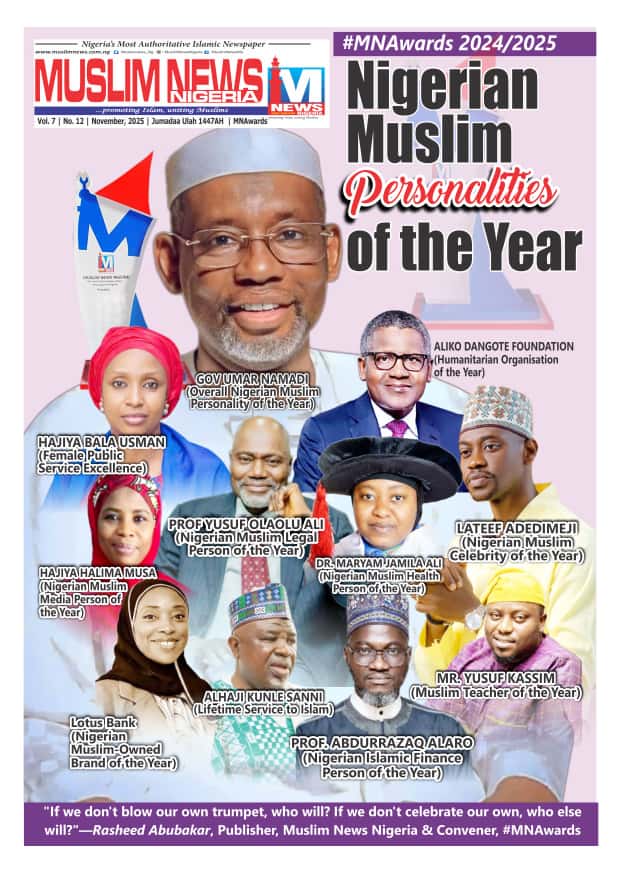
Nigerian Muslim Personalities of the Year 2024/2025
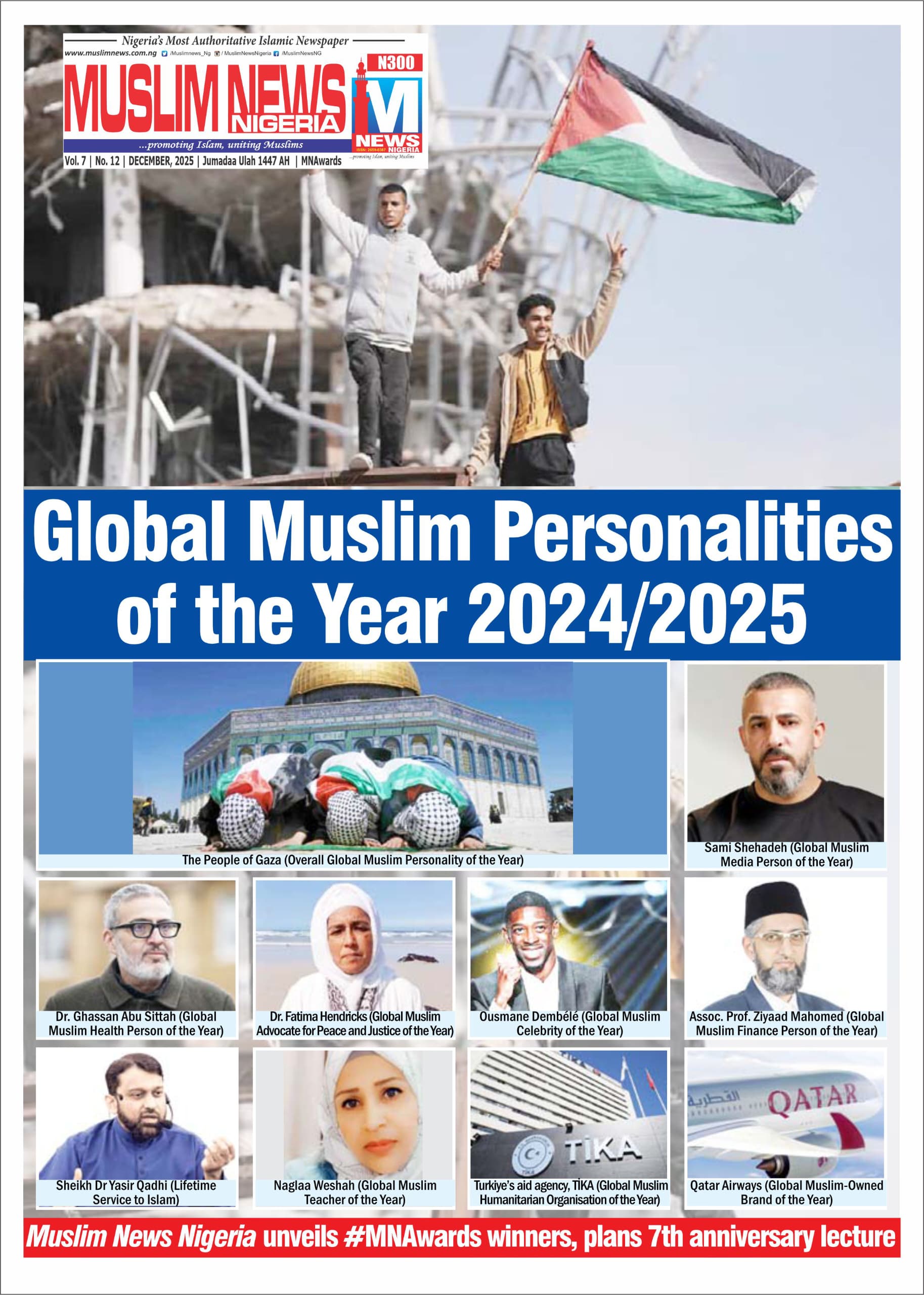
Global Muslim Personalities of the Year 2024/2025



Discover more from Muslim News Nigeria
Subscribe to get the latest posts sent to your email.