

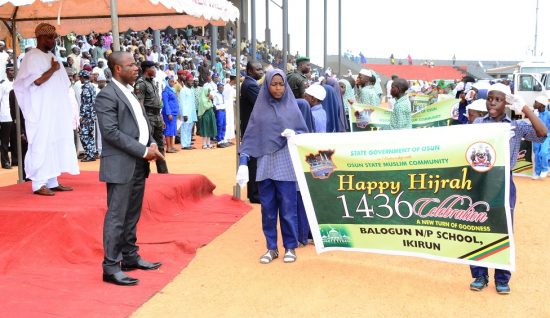
The arrival of the Muḥarram crescent signals more than the turning of a calendar; it marks a quiet invitation to reflection, renewal, and reorientation. For Muslims across the world, the beginning of a new Hijri year is not merely a temporal transition, but a symbolic reminder of the Hijrah i.e the migration of the Prophet Muhammad (peace be upon him) which notably redefined the course of human civilization.
Yet beyond remembrance lies a pressing question: what does Hijrah mean for Islamic education in the 21st century?
Historically, the Hijrah from Makkah to Madinah was not simply a physical relocation. It was a civilizational transformation. It marked the transition from persecution to community-building, from isolated faith to structured society, and from revelation as theory to revelation as lived reality. As Allah declares regarding the believers who undertook this migration:
Indeed, those who have believed and emigrated and striven with their wealth and lives in the cause of Allah (Quran Chapter 8:72)
This was not merely movement across geography, it was movement toward purpose, structure, and knowledge-based society.
However, in todays context, Islamic education urgently requires a similar Hijrah: a migration from stagnation to renewal, from repetition to innovation, and from tradition without reflection to tradition with understanding.
At the heart of this rebirth lies an intellectual Hijrah, from rote memorization to critical engagement. For too long, segments of Islamic education have emphasized the transmission of information without nurturing analytical thinking, problem-solving, or contextual application. Yet the Quran repeatedly calls for reflection:
Do they not reflect upon the Quran, or are there locks upon their hearts? (Quran Chapter 47:24)
It is incumbent to know that, the word Reflection (tadabbur) is not optional in Islamic epistemology; it is foundational. A rebirth of Islamic education must therefore produce learners who not only recite but comprehend, not only inherit knowledge but engage with it meaningfully in all ramifications.
Closely connected is a pedagogical Hijrah; from teacher-centered rigidity to learner-centered dynamism. The Prophet Muhammad (P.B.U.H) embodied a transformative teaching model, interactive, contextual, and deeply human. His method was not mere transmission but transformation of character, intellect, and society.

This rebirth also demands a technological Hijrah. In an age defined by digital ecosystems, Islamic education must not remain detached from technological realities. Instead, it must harness digital tools for constructive learning, dawah, and intellectual expansion. The Prophet (P.B.U.H) emphasized relevance and adaptability when he said:
Make things easy and do not make things difficult; give glad tidings and do not repel people.” (Ṣaḥīḥ al-Bukhārī, 69)
Ease and accessibility in education today necessarily include thoughtful integration of digital platforms, while maintaining ethical discipline in their use.
Apparently, Islamic education requires a moral and societal Hijrahfrom education as personal achievement to education as civilizational responsibility. Knowledge in Islam has never been isolated from ethics and service. The Quran elevates knowledge alongside responsibility:
Allah will raise those who have believed among you and those who were given knowledge, by degrees. (Quran Chapter 58:11)
This elevation is not for status alone, but for contribution. Education must produce individuals who serve society, uphold justice, and contribute meaningfully to human development.
The Hijrah itself provides a living model for educational transformation. It was strategic, intentional, and collective. It involved planning, trust in Allah (tawakkul), and the participation of diverse individuals the likes of youth, women, and companions, each playing a critical role in success. It was not passive migration but active construction of a new society grounded in knowledge, faith, and order meaniful things.
It was evident enough that, the Prophet (P.B.U.H) further reminds us of the urgency of time and opportunity:
“Take advantage of five before five: your youth before old age, your health before illness, your wealth before poverty, your free time before being busy, and your life before death.” (Al-Ḥākim, al-Mustadrak)
This narration reinforces the urgency for educational reform today. Time is not neutral; it is a trust. Islamic education systems must therefore treat time, learning, and intellectual development as sacred responsibilities.
As the Hijri year renews itself, educators, institutions, and learners are imperatively called to reflect deeply:
Are we building an education system that reflects the spirit of Hijrah?
Are we nurturing minds capable of engaging contemporary realities while remaining anchored in revelation?
Or are we preserving systems that no longer serve the needs of the Ummah?
The rebirth of Islamic education in the 21st century is not a luxury, BUT A NECESSITY. And like every meaningful transformation in Islam, it begins with Hijrah: the courage to leave what is insufficient and the determination to embrace what is transformative.
In conclusion, Hijrah is not a historical memory to be annually acknowledged, but a living methodology for renewal. If properly embraced, it can reposition Islamic education as a global force for intellectual excellence, moral clarity, and societal transformation.
May this new Hijri year mark not only the passage of time, but the beginning of renewed purpose in knowledge, learning, and action.
I pray your time be filled with barakah.
MUḤARRAM MUBAARAK!
* Kewulere Adam Olasunkanmi (B.A. Ed, IFLL, PCIBF) is an Islamic Religious Studies Instructor at the Lagos State University International School (LASUIS).
Sponsored

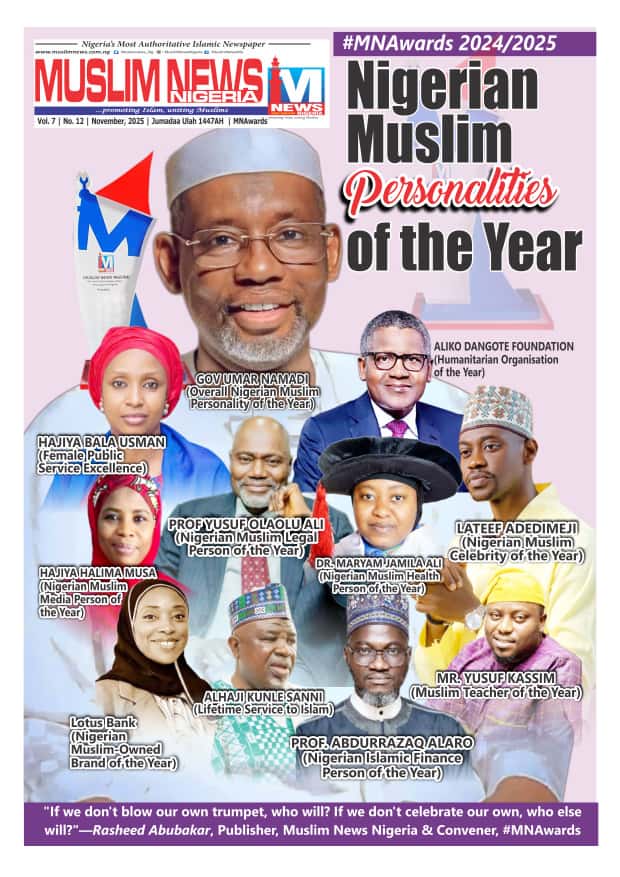
Nigerian Muslim Personalities of the Year 2024/2025
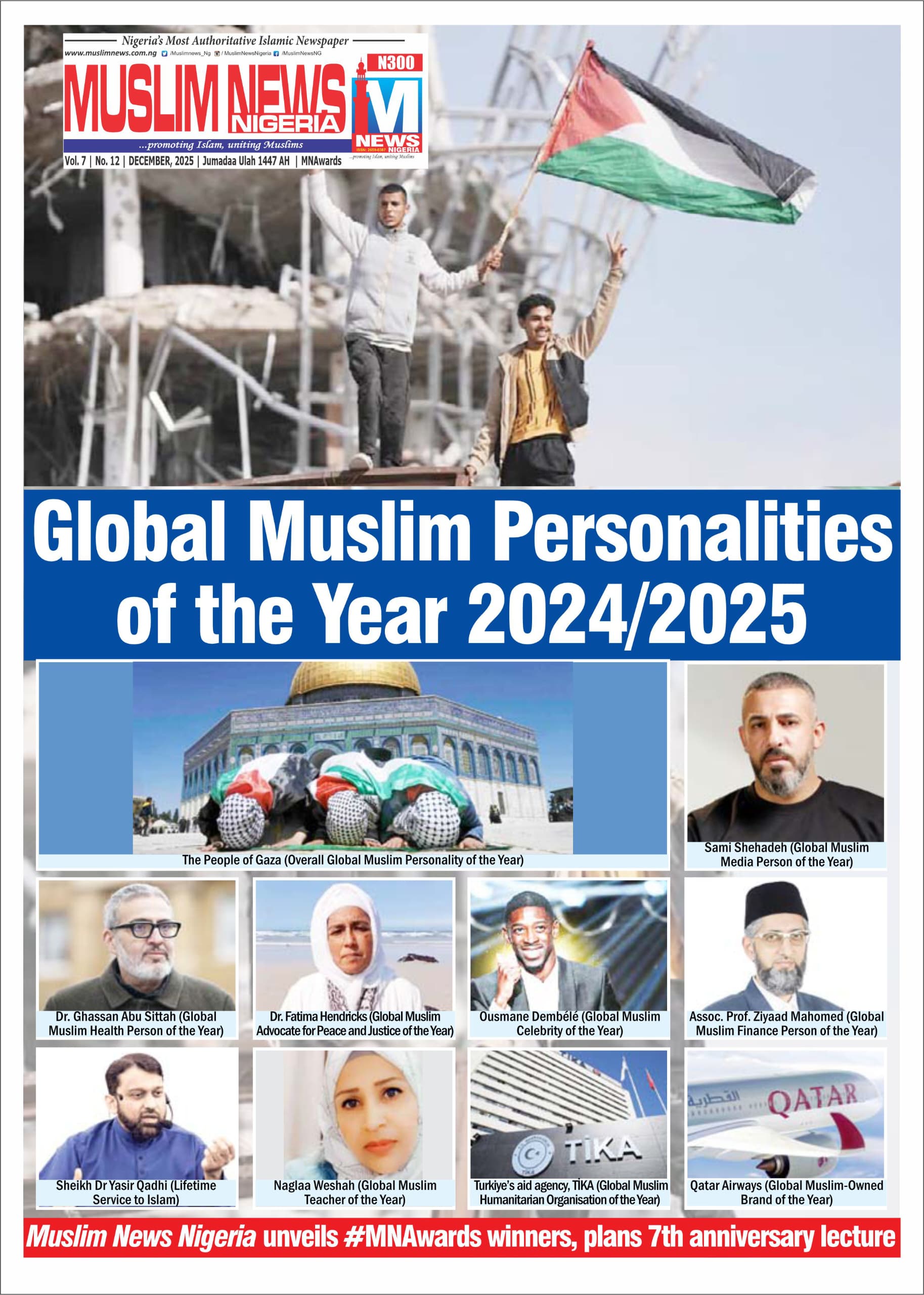
Global Muslim Personalities of the Year 2024/2025



Discover more from Muslim News Nigeria
Subscribe to get the latest posts sent to your email.