

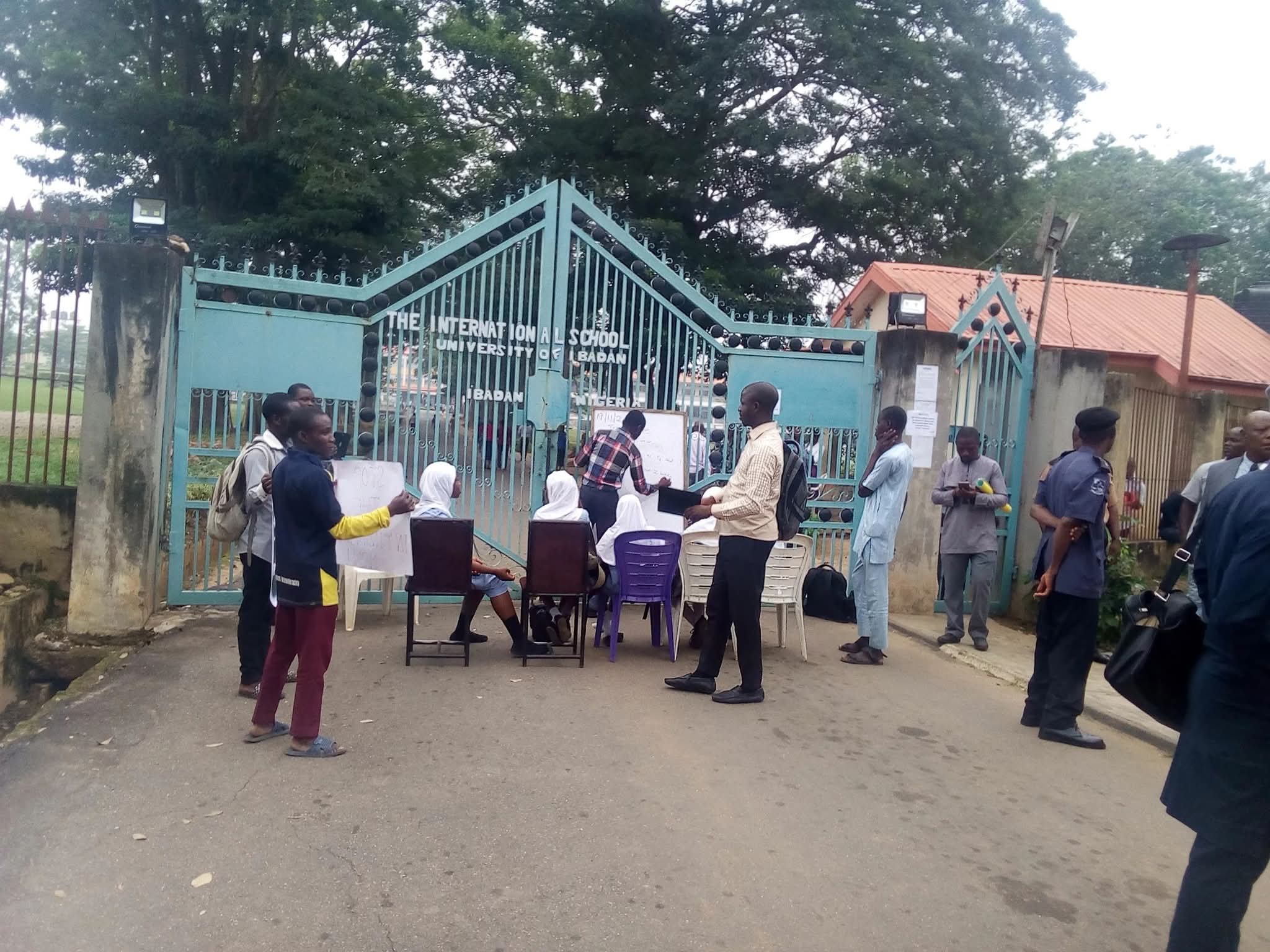
The recent Court of Appeal ruling in Ibadan, Nigeria, that overturned a 2024 High Court judgment, which previously permitted female Muslim students to wear the hijab at the International School, University of Ibadan, has reignited an important national conversation about religious freedom, tolerance, and coexistence in Nigeria, especially given that a lower court had earlier reached a different conclusion.
As Nigerians, we should ask ourselves a sincere question. For those sponsoring the appeal in the Appeal Court, they should search their conscience if they are truly promoting tolerance and unity with their actions. They should tell us if, by their actions, they are truly practicing the tolerance preached in the Holy Bible. How does a Muslim girl’s hijab prevent learning? How does it interfere with teaching, academic excellence, or the rights of Christian students who prefer to wear berets? If there is evidence that it disrupts the school environment or infringes on the rights of others, let it be presented openly and objectively.
Why is it that when it comes to businesses such as petrol stations and supermarkets, etc., Christian businessmen and women will not mind creating space to allow Muslims pray, but when it comes to public institutions, opposition to Muslims happens?
As for me, I have a Christian family friend’s girl who schools in Ilorin and is staying with me. Why would I stop her from going to worship on Sunday? I would rather drop her off at the church to satisfy my conscience of tolerance. What do we gain in standing in the way of other faiths?
I can make bold to say that I was part of those who wrote to condemn Muslims blocking roads while praying on Friday. I have written on this platform to call for a ban on loudspeakers for the call to prayer that disturb neighbourhoods because my religion does not allow us to be the source of worry and pain for other human beings and even animals.
Our educational system already accommodates many traditions and practices that originated from Christianity, and many Muslims have accepted them as part of our shared national experience without turning every difference into a conflict. The same spirit of mutual respect should apply to every faith.
Nigeria often speaks about peace, unity, and religious harmony. However, these values can only thrive where there is fairness, justice, and respect for the constitutional rights of all citizens. Tolerance is not simply accepting those who are like us; it is respecting the rights of those whose beliefs differ from ours.
Across Nigeria, Muslim women and girls wear the hijab in their homes, communities, workplaces, when going to farms, and in their daily activities without causing harm to anyone. In many countries where Muslims are a minority, students are allowed to wear the hijab while pursuing their education. This raises an important question: Why should something that peacefully expresses one’s religious identity become a source of division?
Protecting the rights of one religious group does not diminish the rights of another. A society becomes stronger when every citizen is free to practice their faith peacefully, provided it does not infringe on the rights of others.
Of course, in every religion, there are extremists whom we should never support, irrespective of the religion the person professes.
I will always emulate Prof. Zulu Sofola of blessed memory. It was in the GRA Staff Quarters of Unilorin, sharing the home with “Mama” Zulu and her beloved husband, Prof. Jafeto Adeyemi Sofola, that I truly learned the meaning of humility draped in genius.
Prof. Zulu Sofola’s compassion transcended religious lines. Though a devout Christian, she would set the alarm on her table clock for Sahur, the pre-dawn Ramadan meal, just to ensure I woke up for my fast, and she always had fresh fruits ready for me to break my fast at sundown. Her husband, too, mirrored this open heart. I remember him sponsoring his own mother’s pilgrimage to Hajj. They were a testament to love and mutual respect. This action of tolerance rather venerated them while alive and now that they are no more.
This conversation should not be about Muslims versus Christians. It should be about whether we are willing to uphold the principles of justice, equality, and mutual respect for everyone. A Nigeria built on fairness is a Nigeria where every child can learn with dignity, regardless of religious affiliation. It should be about how we are injuring the innocent minds of those who choose to use the hijab as commanded by their religion.
Let us choose dialogue over division, understanding over suspicion, and justice over prejudice. That is the path to lasting peace and national unity.
* Rasaq, a Professor of Peace Journalism, writes from the Department of Mass Communication, University of Ilorin.
Sponsored

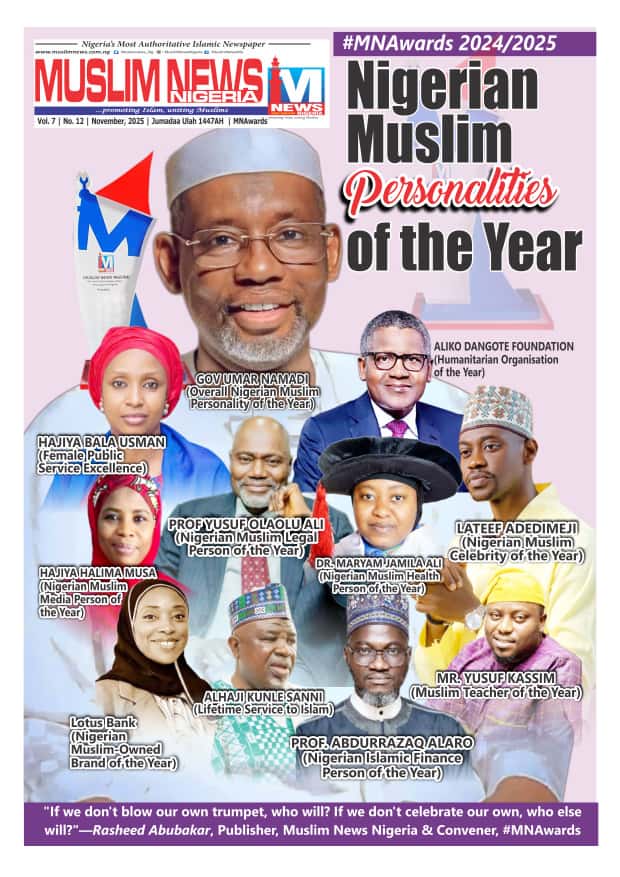
Nigerian Muslim Personalities of the Year 2024/2025
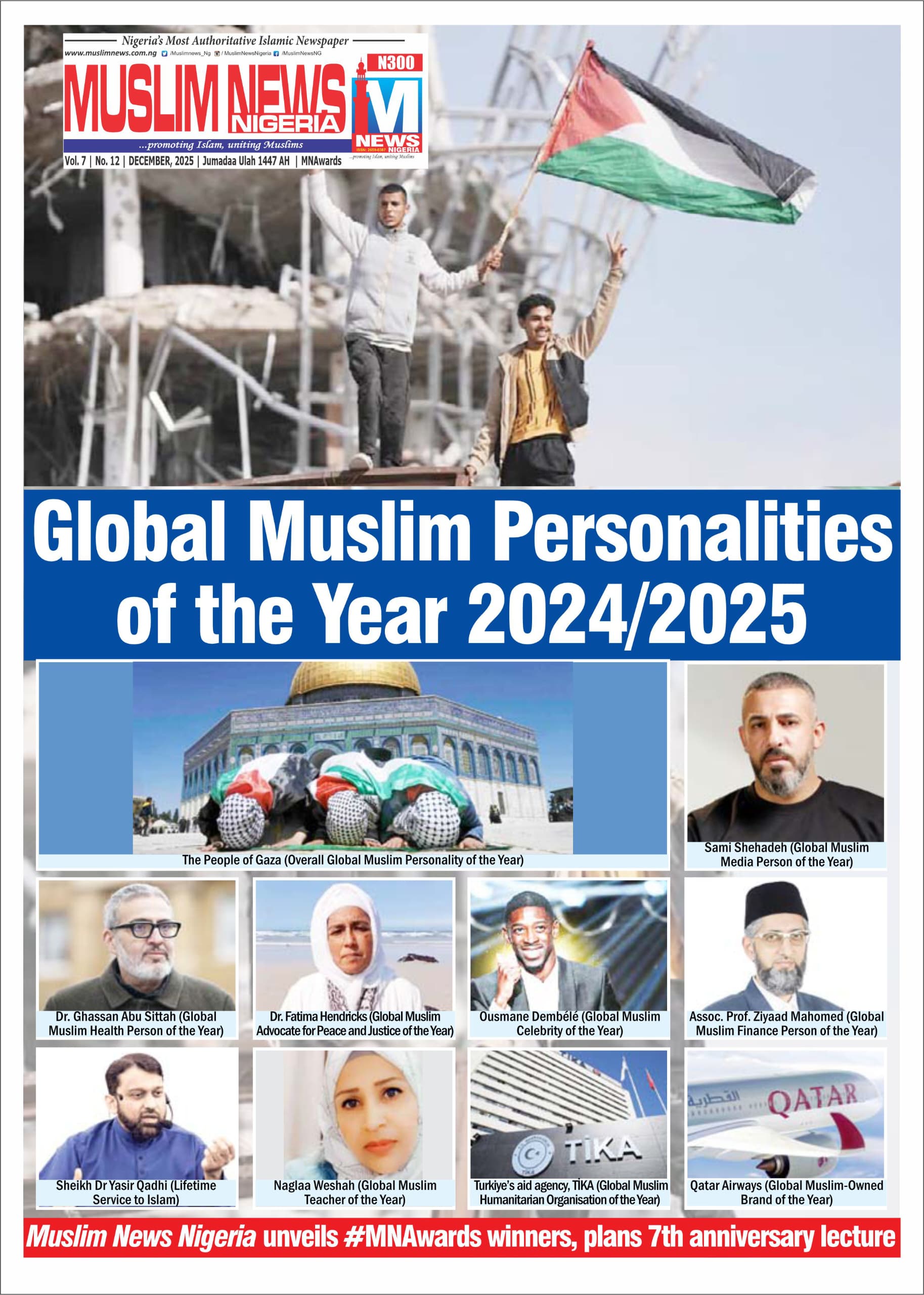
Global Muslim Personalities of the Year 2024/2025



Discover more from Muslim News Nigeria
Subscribe to get the latest posts sent to your email.