

Nigeria is a nation blessed with immense religious, ethnic, and cultural diversity. The strength of such a country lies not in forcing uniformity, but in ensuring that every citizen enjoys equal rights regardless of religion, ethnicity, or background. Unfortunately, many Nigerians still struggle to accept and respect differences, particularly when those differences are visibly expressed through religious beliefs and practices.
For many Muslims in Nigeria, especially in the southern part of the country, practising their faith often comes with challenges. Muslim women who wear the hijab have, on numerous occasions, encountered restrictions in schools, workplaces, and public institutions. Likewise, Muslim candidates have reported difficulties during examinations such as WAEC and JAMB because of issues relating to religious dress or identification procedures.
Muslim men are not exempt from these challenges. Some face discrimination for maintaining beards or wearing their trousers above the ankles in accordance with the Sunnah of Prophet Muhammad (peace and blessings be upon him). Others encounter unnecessary obstacles during facial capture for official documents such as international passports and national identity cards, despite the availability of reasonable accommodations that preserve both security requirements and religious observance.
The experience of Muslim corps members during the National Youth Service Corps (NYSC) scheme has also generated concern. Many Muslim women believe that aspects of the prescribed uniform do not sufficiently accommodate the Islamic requirements of modest dressing, particularly regarding the covering of the neck, arms, lower legs, and the overall loose fitting of clothing. They therefore seek reasonable adjustments that would enable them to fulfil both their civic responsibilities and their religious obligations.
Because administrative solutions are often unavailable, many Muslims have had to seek justice through the courts. While several judgments have eventually affirmed their constitutional rights, these victories frequently come only after years of expensive and emotionally draining litigation.
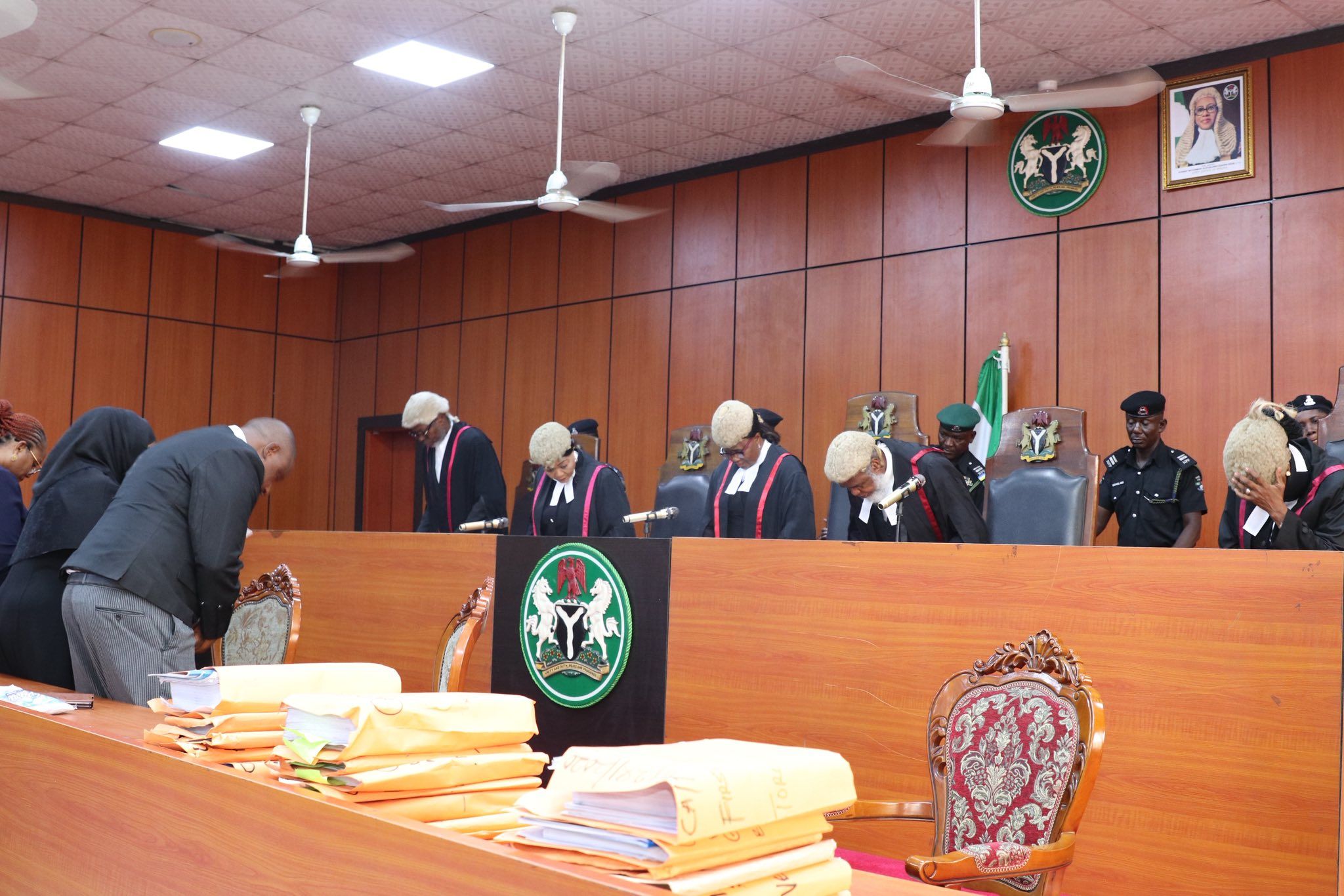
One notable example is the prolonged legal battle involving Muslim female students in Lagos State over the right to wear the hijab in public schools. After years of legal proceedings that reached the Supreme Court, the students’ constitutional right to wear the hijab was finally upheld. The case demonstrated that the hijab is not merely ceremonial attire but an essential aspect of religious observance for many Muslim women.
Another significant example is the case of lawyer Fridaus Amasa, who insisted on wearing her hijab during her Call to Bar ceremonies, including the official dinner. She was denied entry, prevented from participating fully, and subjected to considerable pressure to remove her hijab. Rather than surrendering her religious convictions, she pursued legal and constitutional remedies. Following sustained public engagement and legislative intervention by the National Assembly, the policy was eventually changed. Today, Muslim female lawyers attend their Call to Bar ceremonies wearing the hijab without restriction.
More recently, concerns have arisen over the case involving Muslim female students of the International School, Ibadan (ISI). Although the High Court in Ibadan ruled in 2024 that the students should be allowed to wear the hijab, subsequent developments at the Court of Appeal have generated fresh debate. The school’s position has been that it is a private institution, while the opposing argument maintains that the school is situated within the University of Ibadan, operates under its regulatory framework, and should therefore uphold constitutional guarantees of freedom of religion. The legal process remains an important avenue for resolving these questions.
The broader issue extends beyond individual court cases. It concerns whether Nigeria’s laws, institutions, and administrative practices adequately reflect the country’s religious diversity. No citizen should be compelled to choose between loyalty to the Constitution and obedience to sincerely held religious beliefs where reasonable accommodation is possible without infringing upon the rights of others.
As Professor Abdur-razaq Abdulmajid Alaro mni has observed, colonial history inevitably influenced Nigeria’s legal and institutional development. The British colonial administration introduced not only modern governmental structures but also legal and cultural traditions shaped largely by Christian European society. Had Nigeria experienced a different colonial history, such as one influenced predominantly by Arab-Islamic civilisation, the legal and cultural landscape might have evolved differently, potentially placing adherents of other faiths in similar circumstances. This historical observation reminds us that no society should permanently privilege one tradition at the expense of another.
The lesson is not that one religion should replace another in public life, but that justice requires equal treatment. A truly democratic Nigeria must ensure that its laws and public institutions accommodate the legitimate religious practices of all citizens, provided such practices do not threaten public safety or infringe upon the rights of others.
Encouragingly, many developed democracies have moved beyond approaches that unnecessarily restrict religious expression. Across various jurisdictions, governments have increasingly adopted policies that balance security, institutional order, and individual religious freedom. Nigeria can likewise strengthen national unity by embracing policies rooted in fairness, constitutional equality, and mutual respect.
This responsibility belongs to everyone. Government officials should review policies that unintentionally discriminate against religious minorities. Legislators should ensure that existing laws provide effective protection for religious liberty. Judges should continue interpreting the Constitution impartially. Educational institutions and employers should adopt reasonable accommodations where practicable.
Muslim scholars, Imams, community leaders, and philanthropists also have important roles to play. They should continue educating their communities on lawful, peaceful, and constitutional means of protecting their rights while promoting patience, wisdom, dialogue, and respect for the rule of law.
Likewise, Christians and leaders of other faith communities should recognise that protecting the religious rights of Muslims ultimately protects the religious freedom of everyone. A society that defends the liberty of one faith strengthens the liberty of all. Genuine national unity is built not by suppressing religious identity but by respecting the constitutional rights of every citizen equally.
Nigeria’s diversity should remain a source of strength rather than division. Lasting peace, justice, and national cohesion can only be achieved when every Nigerian is able to practise his or her faith freely, responsibly, and without fear of discrimination.
* Ibn Robiu Sulaimon Olalekan is a graduate student in the M.A. programme at King Saud University, Riyadh, Saudi Arabia. Monday, July 6th, 2026
Sponsored

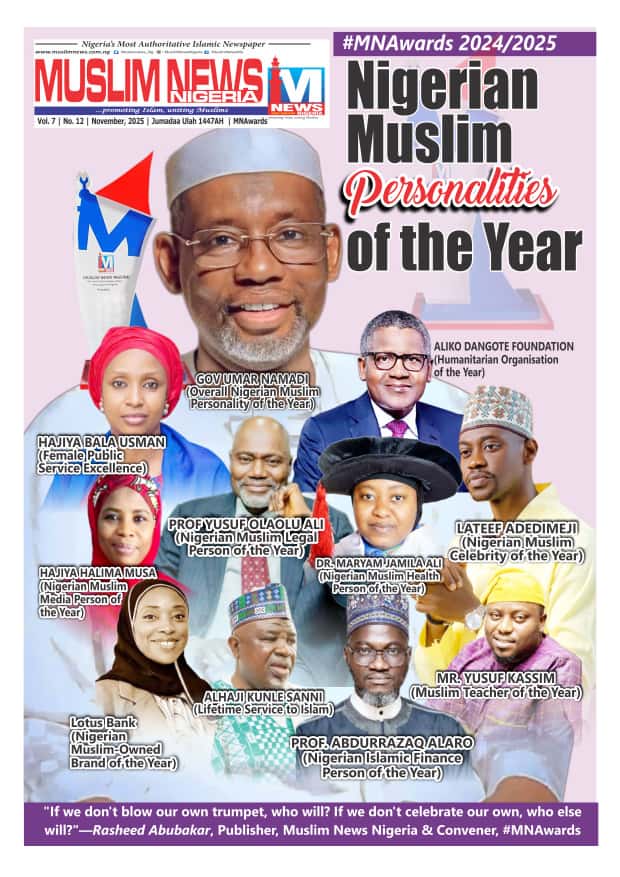
Nigerian Muslim Personalities of the Year 2024/2025
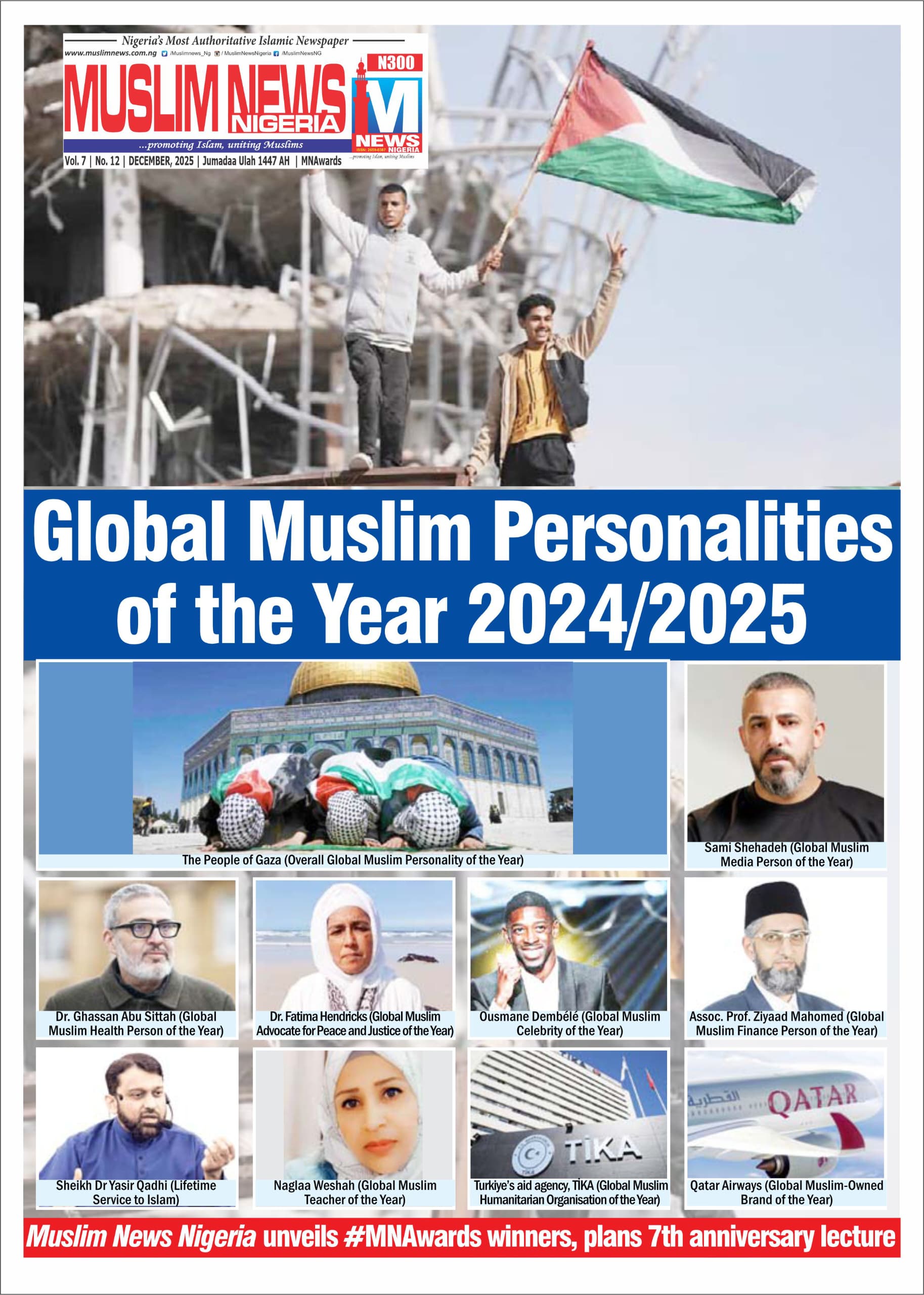
Global Muslim Personalities of the Year 2024/2025



Discover more from Muslim News Nigeria
Subscribe to get the latest posts sent to your email.