

* Says halal includes hygiene, ethics, sustainability
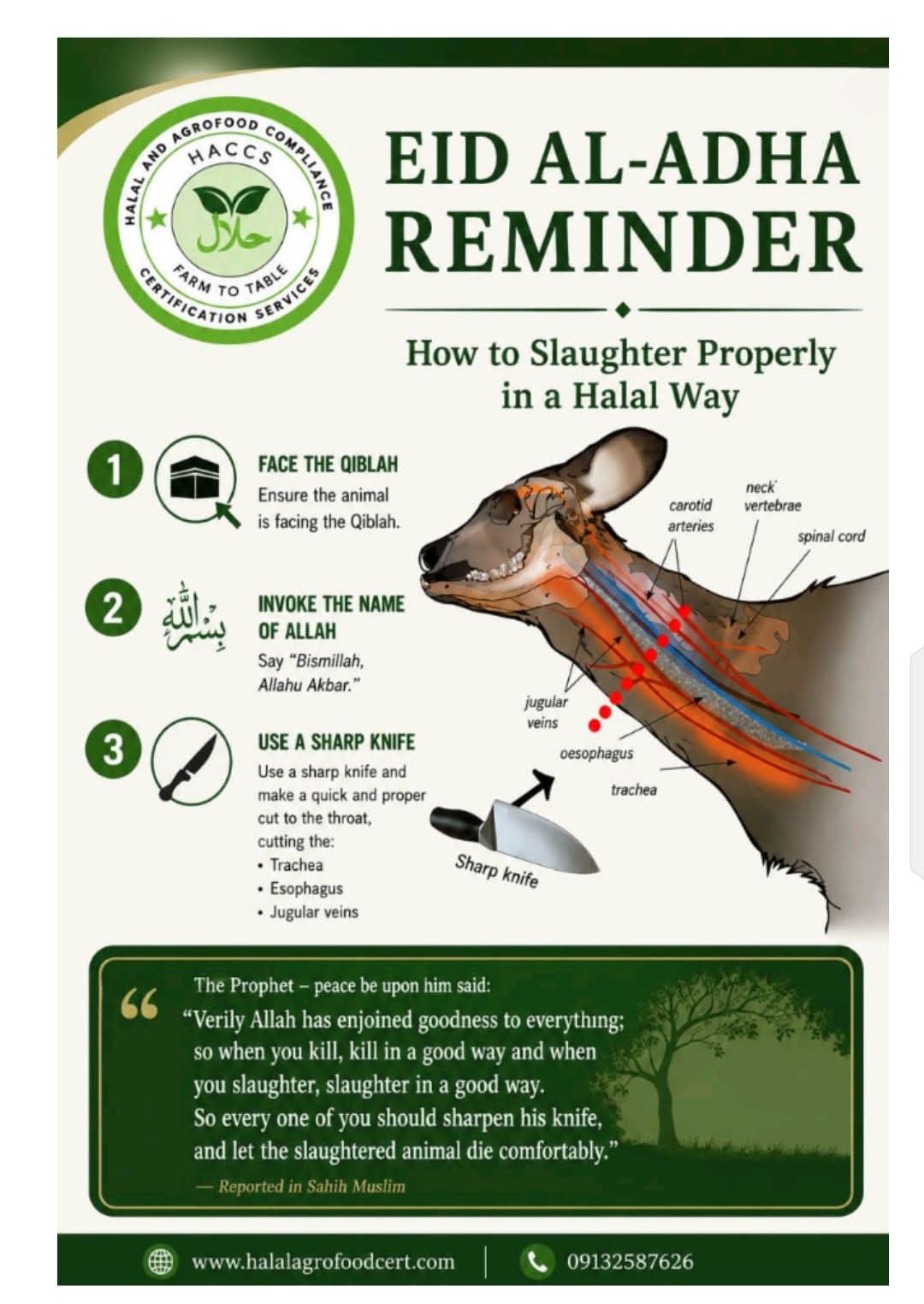
The Halal and Agrofood Compliance Certification Services (HACCS) has called on Muslims in Nigeria and across the world to uphold the true principles of halal by ensuring humane animal handling, strict compliance with Islamic slaughter requirements, hygiene, and environmental responsibility during the Eid Al-Adha celebration.
In his eid message, the Chief Executive Officer of HACCS, Dr. Muhideen Amusa, said halal goes far beyond the act of slaughtering an animal, describing it as a faith-based ethical system rooted in piety, compassion, public health, and responsible stewardship.
“Islam teaches that Allah has made animals permissible for human benefit, but this privilege comes with responsibility. Halal slaughter is not merely about cutting; it begins with humane treatment of the animal before slaughter and strict adherence to Islamic guidelines throughout the process,” he said.
Dr. Amusa explained that proper halal slaughter requires the animal to be handled with care to minimise distress, slaughtered by a competent Muslim, and processed with a sharp knife to ensure a swift and humane procedure in accordance with Islamic principles.
He added that complete blood drainage remains essential for both halal integrity and food safety.
He stressed that hygiene and environmental sanitation must not be overlooked, noting that a clean slaughter environment is critical to preventing contamination and protecting public health.
According to him, sustainability is also an integral part of the halal ecosystem, as the global halal industry increasingly embraces ethical production, environmental responsibility, and consumer protection as core standards.
“HACCS wishes to remind Muslims that halal is not just a religious label, but a comprehensive lifestyle framework built on faith, compassion, accountability, and quality assurance,” he added.
The organisation congratulated Muslims in Nigeria and across the globe on the Eid Al-Adha celebration, urging them to reflect the true values of Islam through responsible halal practices that promote consumer confidence, food safety, and the sustainable growth of the halal industry.
Sponsored

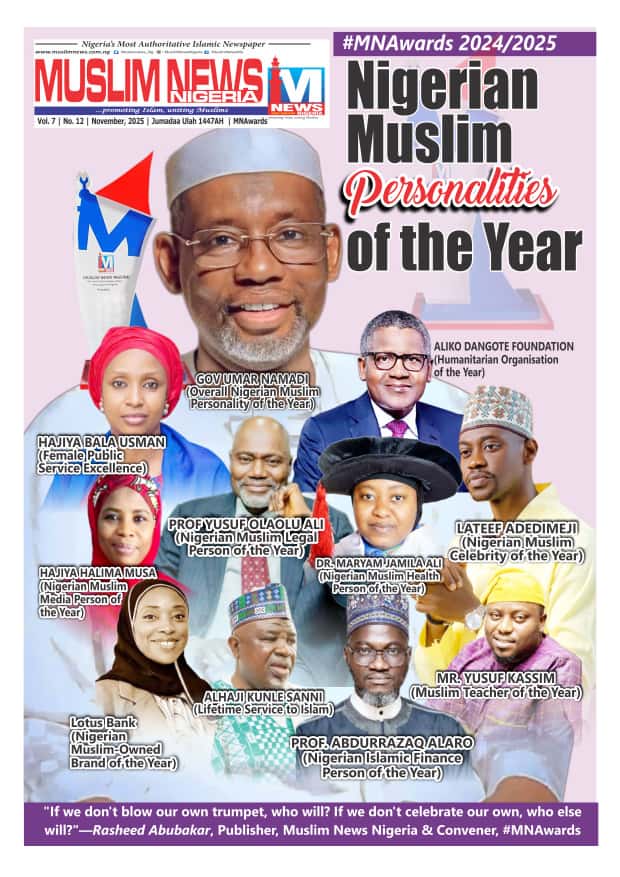
Nigerian Muslim Personalities of the Year 2024/2025
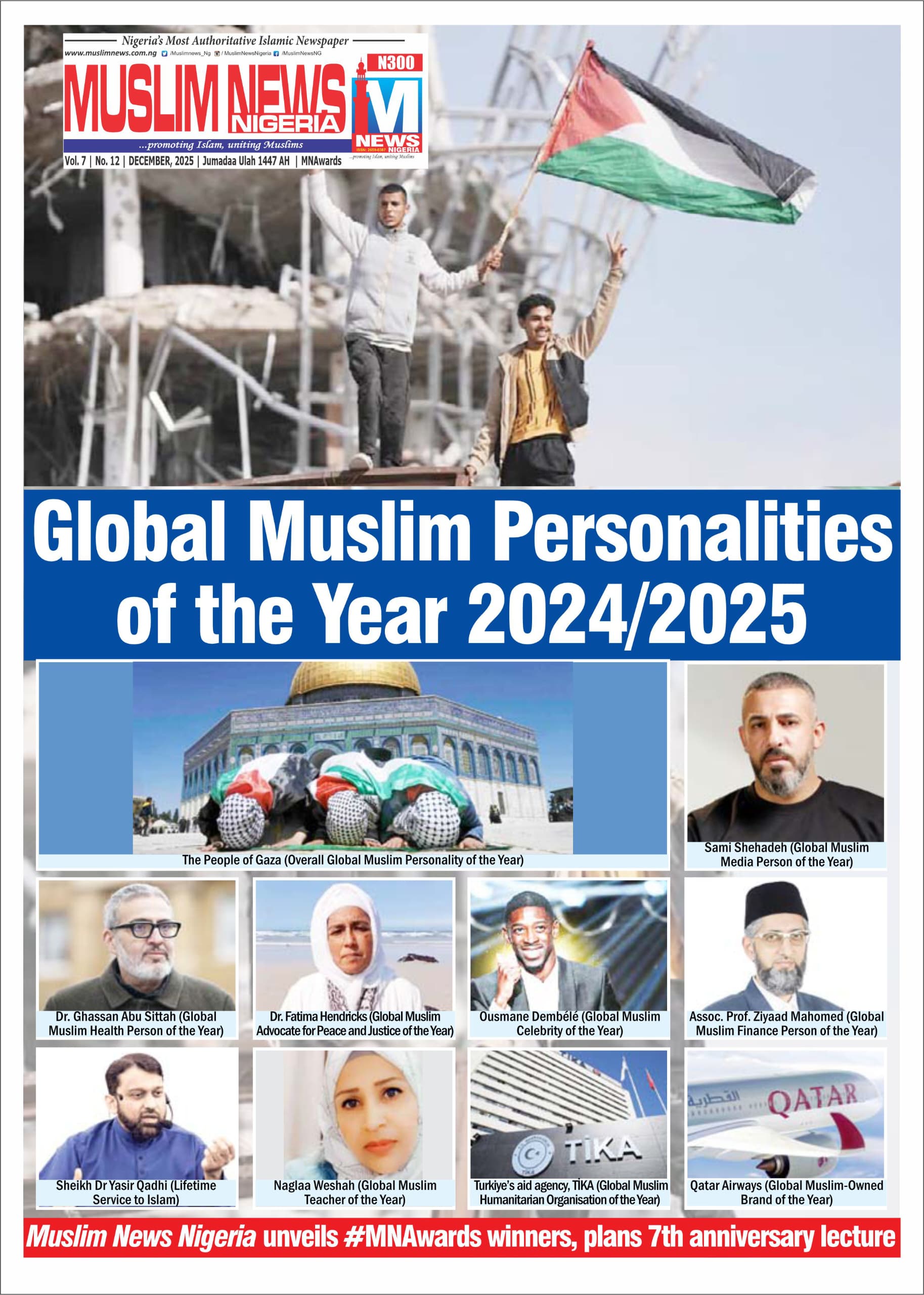
Global Muslim Personalities of the Year 2024/2025



Discover more from Muslim News Nigeria
Subscribe to get the latest posts sent to your email.