

* As Hajj rites continue on day 3 with stoning, shaving and sacrifice
* Hajj should transform character, national imam preaches renewal
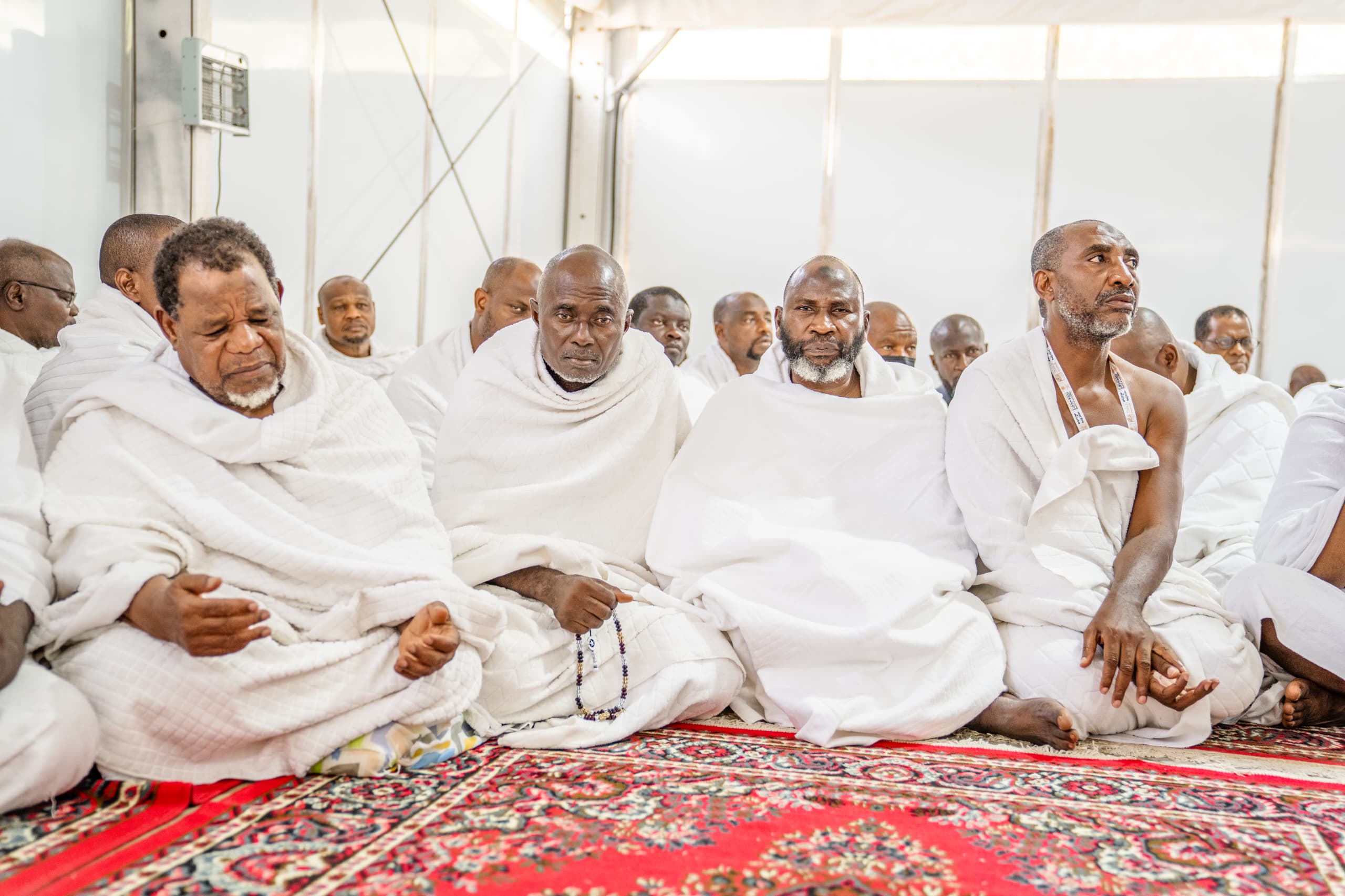
On Tuesday, May 26, the plains of Arafah in Makkah became the focal point of the 2026 Hajj as pilgrims from across the world gathered for the most significant day of the pilgrimage, with Saudi Arabia’s General Authority for Statistics confirming a total of 1,707,301 participants in this year’s rites.
Among those present were over 50,000 Nigerian pilgrims performing the exercise under the coordination of the National Hajj Commission of Nigeria (NAHCON), alongside thousands more who travelled through private tour operators.
Throughout the Day of Arafah, pilgrims from Nigeria engaged in individual and group prayers within their tents, spending the entire day in supplication, Qur’anic recitation, and deep spiritual reflection as they sought Allah’s mercy and forgiveness.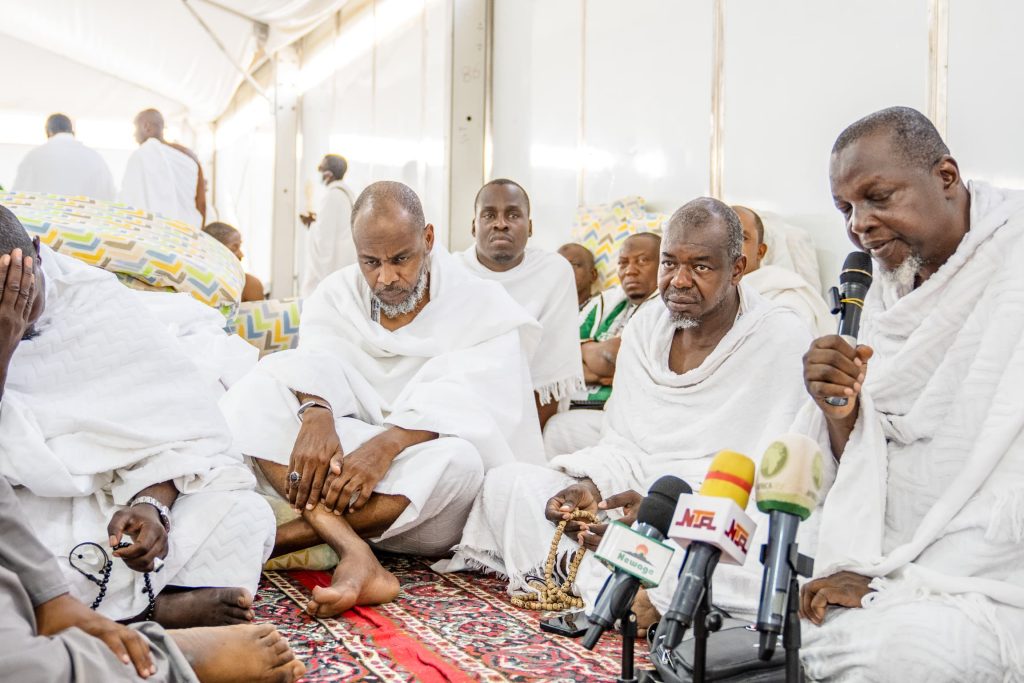
Muslim News gathered that the atmosphere across the Nigerian tents was deeply devotional, with pilgrims devoting their prayers to personal needs, family wellbeing, and wider national concerns affecting Nigeria.
Many of the supplications centred on peace, unity, and an end to insecurity across the country, while others prayed for national development, stability, and progress.
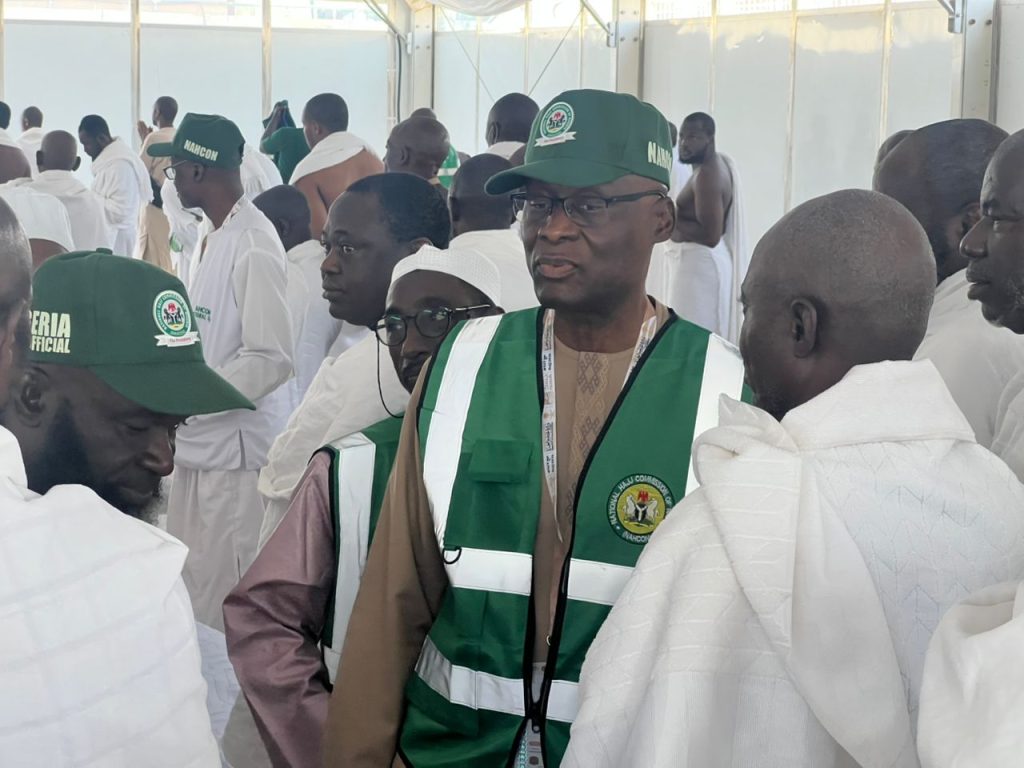
The Chairman of the Commission, Amb. Ismail Abba Yusuf, moved through the pilgrims’ tents in Arafah to assess their welfare and monitor the quality of services provided during the Mashair operations.
During the visit, he interacted with pilgrims and officials from various state contingents, while inspecting feeding arrangements, accommodation facilities, medical services, and other logistics designed to support Nigerian pilgrims.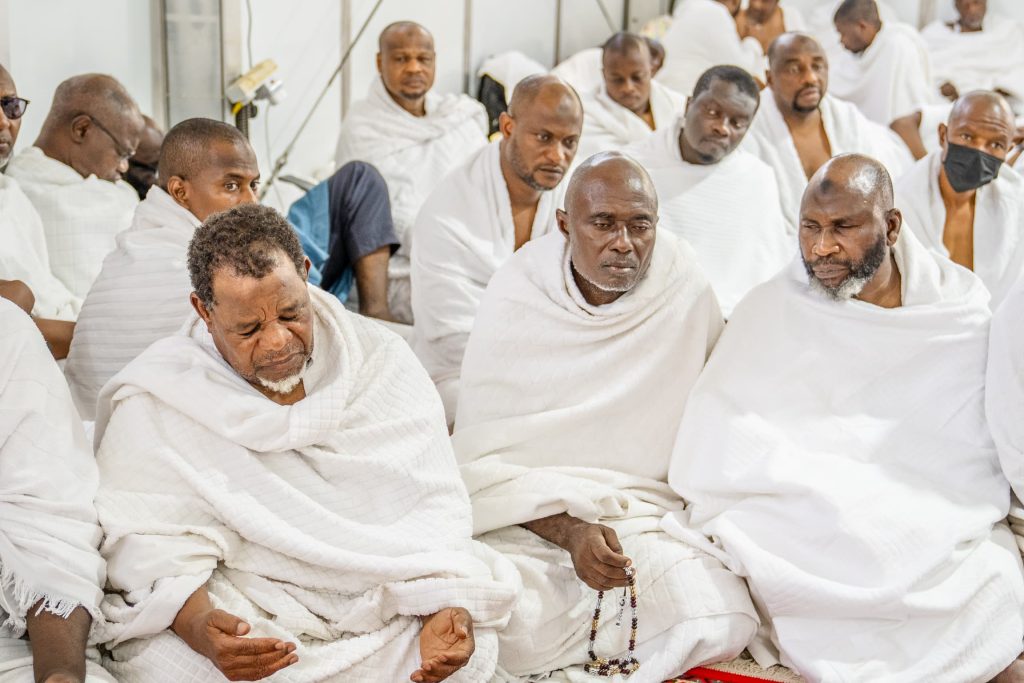
Amb. Yusuf expressed satisfaction with the level of coordination among officials, service providers, and pilgrims, describing the operation as orderly and well managed.
He urged all stakeholders to remain patient, disciplined, and prayerful as the Hajj rites progress toward completion, emphasizing the importance of maintaining focus on the spiritual essence of the pilgrimage.
The Chairman later joined the National Ulama Team for the Day of Arafah special prayer session dedicated to Nigeria. During the gathering, Islamic scholars offered extensive supplications for the country, its leaders, and its citizens, asking for enduring peace, national unity, economic prosperity, and political stability.
The prayers were conducted in multiple languages to reflect Nigeria’s diversity and ensure inclusiveness in the national intercession. Sheikh Nasir Adam led the Arabic supplications, while Professor Bashir Aliyu rendered prayers in English.
Dr Ibrahim Jalo Jalingo and Sheikh Jelani Abdulkadir led the Hausa prayers, focusing on appeals for an end to insecurity and the restoration of peace in troubled regions across the country.
In the Yoruba segment, Sheikh AbdurRahman Ahmad offered prayers centred on national unity, moral renewal, and responsible leadership, while Professor Ilyas concluded the multilingual session with Igbo supplications, praying for stability, reconciliation, and shared prosperity across all regions of Nigeria.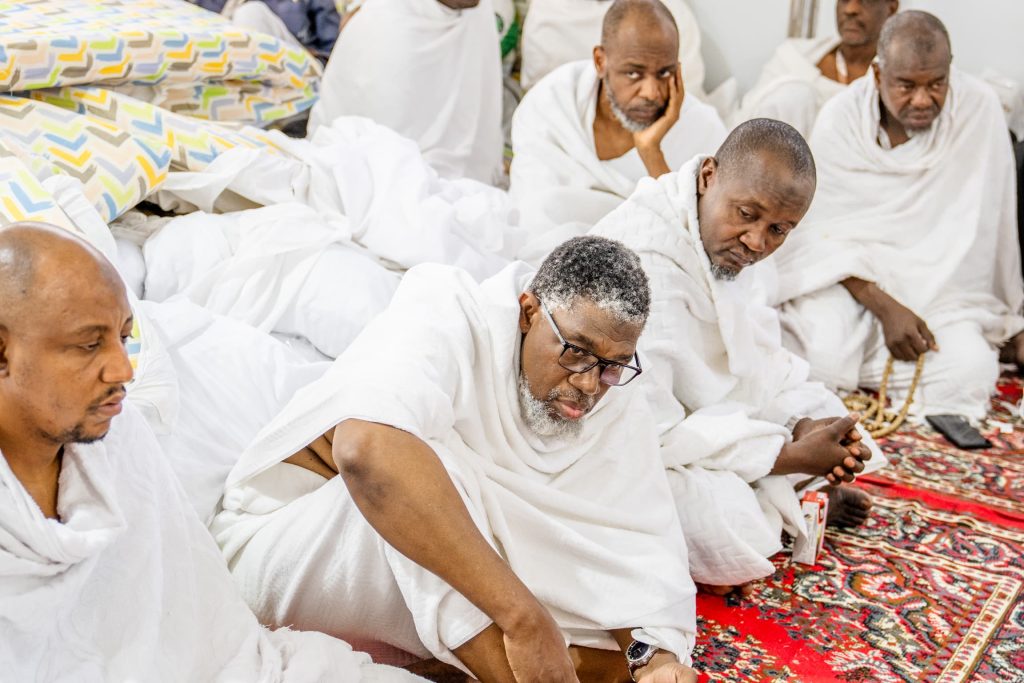
Across all language sections, the prayers carried a unified message of hope and urgency, with consistent appeals for security, peaceful coexistence, and divine intervention in Nigeria’s social and economic challenges.
Members of the Ulama Team and other Islamic scholars also joined in wider supplications, calling on Allah to protect the country from violence, strengthen national cohesion, and guide leaders at all levels. Particular emphasis was placed on prayers for an end to insecurity and for peaceful political transitions in the coming electoral period.
As Hajj rites continue on day 3 with stoning, shaving and sacrifice
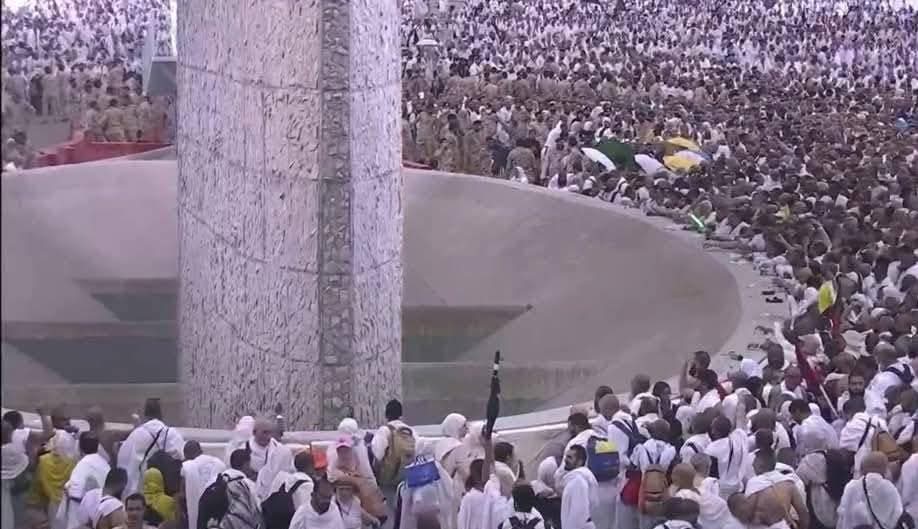
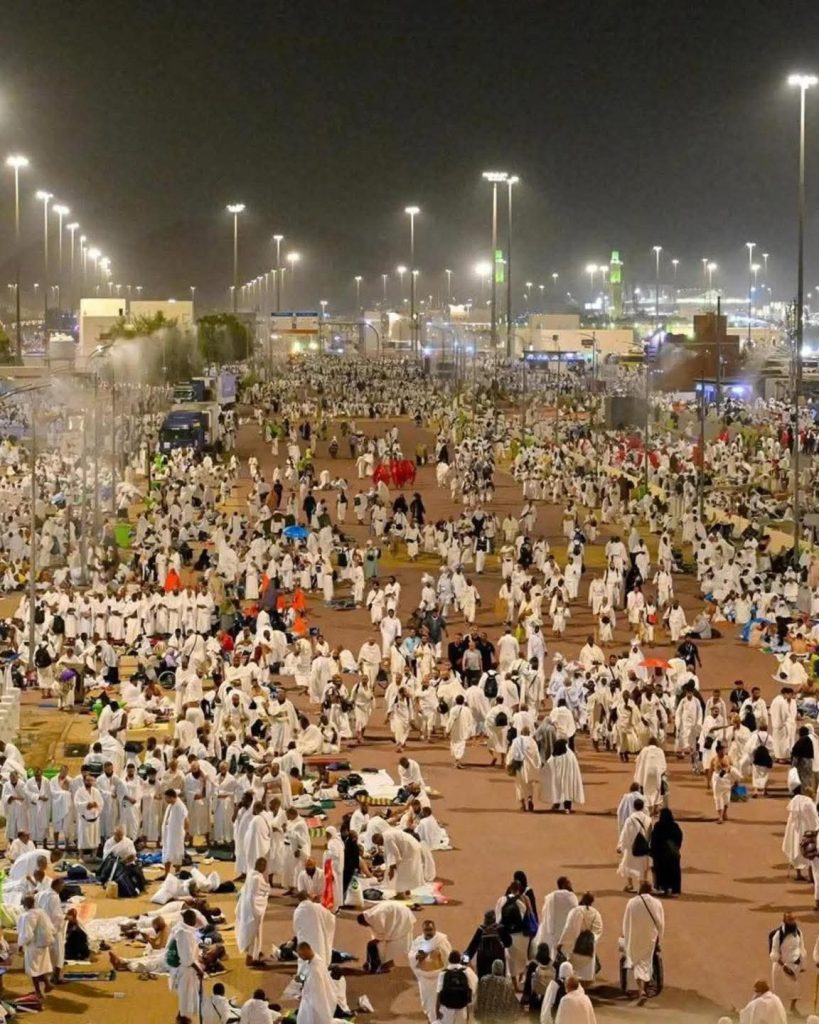
Meanwhile, as the Hajj rites continued on the third day (Wednesday, May 27), pilgrims from Nigeria and other countries moved through the core rites of Eid al Adha following their overnight stay in Muzdalifah. They proceeded to Mina and then to the Jamarat, where they began the symbolic stoning of Jamrat al Aqabah, an act signifying the rejection of evil and reaffirmation of obedience to Allah.
After the first stoning, pilgrims carried out the animal sacrifice otherwise known as Adiya in observance of Eid al Adha rites, followed by shaving or trimming of the hair, which marks partial release from the state of Ihram.
Many pilgrims then proceeded to Makkah to perform Tawaf al Ifadah at the Grand Mosque, one of the essential pillars of Hajj, followed by Sa’i between Safa and Marwah for those required to complete it, before returning to Mina for the continuation of the days of Tashreeq, during which the remaining stoning rituals are performed.
Speaking with Muslim News, the Imam of the National Mosque, Professor Luqman Zakariyah, described the movement from Arafah to Muzdalifah and then to Mina as a deeply spiritual journey, noting that pilgrims spent the night in Muzdalifah in remembrance of Allah as prescribed in Islamic teachings.
He said, “Well today, we descended from Arafat to Muzdalifah where we spent our night and did some adhkar as Allah commanded in the Qur’an. After we had performed our Fajr prayer we proceeded to Mina, some went straight to the Jamarat and some went to the Mina camp for grouping as planned by the FCT board.”
Professor Zakariyah, who is performing Hajj under the FCT Abuja pilgrims for the first time in decades, described the experience as unique and emotionally fulfilling after about 30 years of participating in Hajj in different capacities.

He said, “It is a unique and reflective moment to me after my 30 years of Hijrah and 29 years since my last Hajj. I came as a pilgrim under the presidency.”
Hajj should transform character: National Imam preaches post pilgrimage renewal
Speaking further after shaving his hair following the first stoning at the Abuja tent, he reflected on the spiritual meaning of Hajj and urged pilgrims to translate their experience into positive conduct after returning home.
He said Muslims should see themselves as carriers of divine blessings and role models in their communities, adding that the values of Hajj must reflect in everyday life.
He said, “Nigeria can be like the United States, Saudi Arabia and other developed countries if we return home with discipline and sincerity.”
He also emphasized that the essence of the declaration of Labbaik should be reflected in behaviour after Hajj, urging pilgrims to avoid sinful acts and maintain moral integrity in their workplaces and communities.
“If your co workers or staff are doing evil at work, you should stand out so that they know you are a new being after returning from Hajj. Let your attitude in your workplace be distinct from others. That is the true essence of Labbaik,” he said.
Professor Zakariyah further called for unity among Nigerians, stressing that ethnic differences such as Hausa, Yoruba, Fulani and Igbo should not divide people, as all are equal before Allah.
He also urged pilgrims not to forget the blessings of Allah in their supplications, encouraging them to pray for their families, communities and the nation, while maintaining focus on the hereafter.
Meanwhile, pilgrims continued to move between Mina and Makkah to complete Tawaf al Ifadah and Sa’i as required, before returning to Mina for the continuation of the days of Tashreeq, which involve repeated stoning rituals in the following days of Hajj.
Sponsored

Nigerian Muslim Personalities of the Year 2024/2025

Global Muslim Personalities of the Year 2024/2025




Discover more from Muslim News Nigeria
Subscribe to get the latest posts sent to your email.