

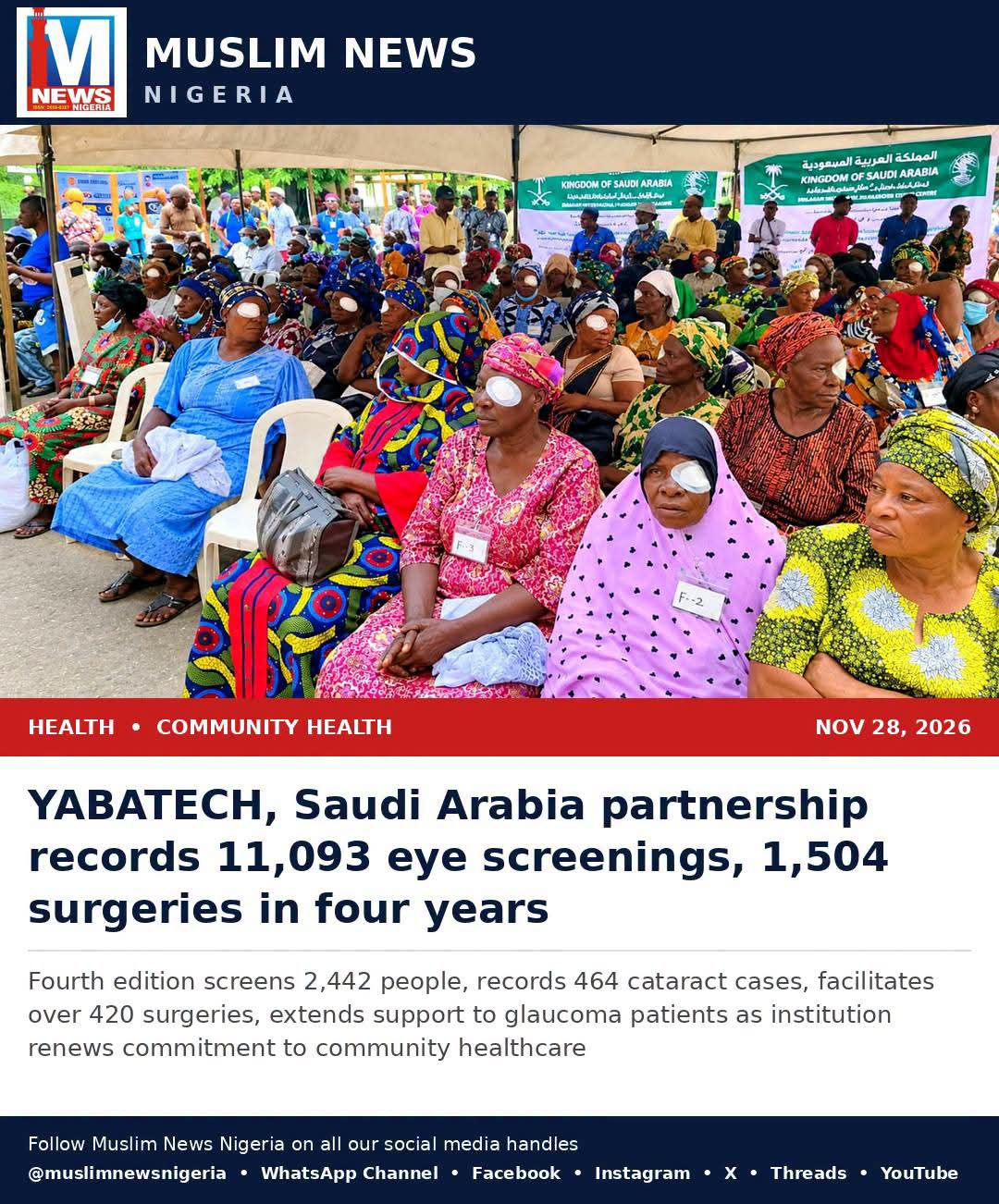
* Fourth edition screens 2,442 people, records 464 cataract cases, facilitates over 420 surgeries, extends support to glaucoma patients as institution renews commitment to community healthcare
Yaba College of Technology (YABATECH), Lagos, in partnership with Al-Basar International Foundation and with humanitarian support from the King Salman Humanitarian Aid and Relief Centre (KSrelief), has screened approximately 2,500 people and facilitated more than 420 eye surgeries during its six-day medical outreach in Lagos.
The fourth edition of the annual Medical Outreach Programme, which commenced on Sunday, November 22, and ended on Friday, November 27, 2026, provided free eye screening, prescription glasses, medications and surgical interventions for people with different eye conditions, particularly cataracts.
The exercise, organised under the leadership of the institution’s Rector, Engr. Abdul Ibrahim, targeted 4,000 free eye screenings and 700 cataract surgeries.
However, approximately 2,500 people were screened, representing 62.5 per cent of the screening target, while 421 surgeries had been performed by the closing day, according to the Deputy Rector (Academics), Dr Engr. Ismail Badmus.
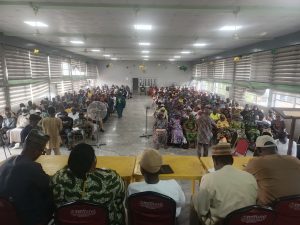
The screening exercise took place at the YABATECH College Hall, while surgical procedures were conducted at the General Hospital, Gbagada, by a team of medical specialists from Saudi Arabia, supported by personnel of the hospital.
Muslim News gathered that the initiative also received support from the Lagos State Government through its Ministry of Health and participating local government authorities, reflecting a wider collaboration aimed at extending specialist eye care to underserved communities.
Beyond teaching and learning
Speaking on the exercise, Dr. Badmus said the intervention reflected YABATECH’s determination to contribute to society beyond its traditional responsibilities of teaching, learning and producing graduates.
He explained that the institution considered the welfare of its host communities an important part of its corporate social responsibility, particularly as many residents struggled to afford specialist medical services.
“We feel that we owe society more than the production of graduates who are fit and future-ready. It is part of our corporate social responsibility to give back to society at large,” he said.
The Deputy Rector noted that many of the beneficiaries were middle-aged and elderly people who had lived with deteriorating eyesight but could not afford the cost of cataract surgery.
He added that the intervention was also intended to protect the productivity of staff and students by ensuring that preventable and treatable eye conditions did not become obstacles to effective teaching and learning.
Beyond cataract treatment, the 2026 edition introduced additional support for people diagnosed with glaucoma, following concerns that some patients who presented for the outreach could not benefit from the original surgical intervention because they had different eye conditions.
Dr. Badmus said the organisers decided to extend the programme rather than continue turning away patients who needed other forms of specialist attention.
He disclosed that plans were made to facilitate 100 glaucoma surgeries at Al-Basar’s hospital in Ibadan, subject to further medical assessment.
Four years of sustained intervention
Dr Engr. Ajala Mosud Taiwo, Chief Lecturer in the Department of Industrial Maintenance Engineering and Director of the Centre for Linkages, Partnerships and International Relations (CLPIR), said the initiative began in 2023 and had continued annually, making the 2026 exercise its fourth edition.
He explained that CLPIR, alongside the centre for information, communication and public relations, Medical Centre, Transport section and Works and Services coordinated the college’s involvement in the programme, which was facilitated through partnerships with organisations possessing the expertise and resources to address specific community needs.
Dr. Ajala said the college’s town-and-gown initiative was designed to strengthen relationships with industries, other institutions and host communities while creating opportunities for meaningful social impact.
“Our belief is that, as a responsible institution, we need to impact our society. That is why the management came up with the idea of collaboration,” he said.
He disclosed that 464 cataract cases were identified during the 2026 exercise, adding that approximately 340 surgeries had been performed as of the day preceding his interview.
Dr. Ajala said the figure represented an improvement over the previous year’s target of 400 surgeries, although the organisers could not utilise all the 700 surgical slots made available for the latest edition.
He explained that the cost of cataract surgery at private medical facilities could range from N600,000 to N1m, depending on the procedure, stressing that the intervention had provided significant financial relief to beneficiaries.
The center director further disclosed that the four editions of the programme had recorded a cumulative 11,093 eye screenings and 1,504 surgical interventions, highlighting the growing impact of the partnership on access to specialist eye care.
According to the figures made available, 3,261 people were screened and 403 surgeries recorded in 2023; 2,283 screenings and 316 surgeries in 2024; and 3,107 screenings and 364 surgeries in 2025. In the 2026 edition, 2,442 people were screened, while 464 cataract cases were identified and 421 surgeries had been performed by the closing day.
The figures, he said, reflected the sustained impact of the collaboration in bringing specialist eye care closer to underserved communities and easing the financial burden of treatment on beneficiaries.
Wider community participation
Ajala disclosed that the 2026 edition expanded its grassroots mobilisation beyond Yaba LCDA, which had participated in previous editions, to include Shomolu Local Government, Lagos Mainland and Bariga.
He said the decision to involve more local councils was informed by their ability to reach residents at the grassroots and identify people who might otherwise not have access to information about the intervention.
Beneficiaries came from different parts of Lagos State, including Bariga, Shomolu, Yaba, Lagos Mainland and Ikorodu, as well as Ojo, Ibadan and Osun State.
He said YABATECH hoped to extend the collaboration to all four local government areas and LCDAs surrounding the institution in subsequent editions to increase the number of beneficiaries.
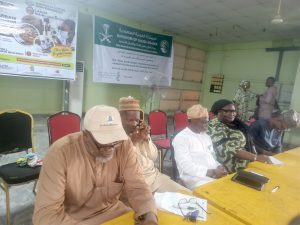
The CLPIR director added that the college was also open to partnerships in other areas of community development, including digital literacy, emphasising that its collaboration drive was not limited to healthcare.
Humanitarian partnership and government support
The Al-Basar representative, Bello Abdullahi Yuguda, Regional Administrative and Human Resources Manager, Kano Regional Office, and Camp Manager for the 2026 exercise, confirmed that an additional 100 glaucoma patients had been referred to the foundation’s Ibadan hospital for further investigation and possible surgery.
He also disclosed that approval had been given for patients requiring retinal and other complicated eye procedures to receive treatment in Kano.
Yuguda said the foundation had recorded more than 450 cataract and pterygium surgical cases admitted during the exercise, while the additional referrals and specialised interventions would further expand the number of people receiving assistance.
Yuguda said the intervention was made possible through the humanitarian support of KSrelief in collaboration with Al-Basar International Foundation, which has been involved in specialist eye care interventions in Nigeria for more than 25 years.
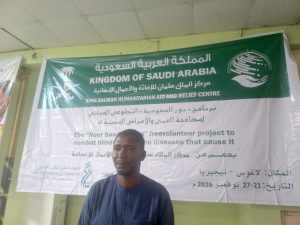
He explained that the foundation’s work included providing free eye treatment, surgical campaigns and other specialist services through its network of Makkah Specialist Eye Hospitals.
He stressed that describing the services as free to beneficiaries should not obscure the financial commitments involved, as the surgeries, medications, glasses and other services were sponsored through humanitarian funding.
“Most times, when people hear free programme or free surgery, they should understand that these services are being paid for by sponsors. They are not without cost,” he said.
Yuguda also acknowledged the contributions of YABATECH and the Lagos State Government, particularly the provision of facilities, operating theatre support, hospital personnel and other logistics required to conduct the surgeries.
Ajala similarly commended the Lagos State Government through the Ministry of Health and the Office of the Commissioner for Health for supporting the initiative.
Beneficiaries celebrate successful surgeries
The venue was filled with excitement as beneficiaries celebrated the successful outcomes of their surgeries. In addition to the surgical procedures, beneficiaries were provided with prescription glasses and medications expected to last for one month, after which they would return for further medical reviews and necessary follow-up care.
One of the beneficiaries, Mr Johnbull Isibo, a pensioner from Edo State, expressed gratitude to the organisers, recounting how the intervention helped him regain sight in his left eye after years of deteriorating vision.
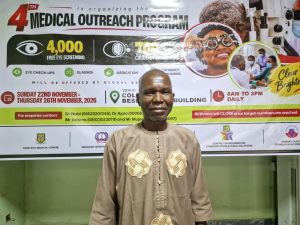
Isibo said his eyesight had begun to deteriorate as far back as 1991, making it increasingly difficult for him to read and carry out everyday activities, despite using prescription glasses.
He explained that previous medical consultations had confirmed cataracts, but the cost of surgery remained beyond his financial capacity.
According to him, a private medical facility had quoted N750,000 for surgery on one eye, with another option costing N1m.
He said he discovered the YABATECH outreach through his Community Development Association’s platform and initially suspected it might be one of the fake free medical programmes advertised to the public.
However, after registering and undergoing the required examinations, he was scheduled for surgery on Wednesday.
“By the grace of God, when they removed the plaster yesterday, my sight was very clear. I was surprised,” he said.
Isibo said the registration, medical examinations, medication and surgery were provided without payment, adding that he only spent money on transportation.
He commended the organisers for their transparency and urged them to improve publicity in subsequent editions to enable more people with eye conditions to benefit.
Follow-up care
The organisers told Muslim News that beneficiaries would return for medical reviews approximately one month after their surgeries, with representatives of the Al-Basar medical team expected to assess their recovery and provide further medical attention where necessary.
The follow-up arrangement is expected to ensure continuity of care beyond the six-day outreach and help beneficiaries maintain the improvements achieved through the intervention.
Sponsored
Sponsored

Nigerian Muslim Personalities of the Year 2024/2025

Global Muslim Personalities of the Year 2024/2025




Discover more from Muslim News Nigeria
Subscribe to get the latest posts sent to your email.