

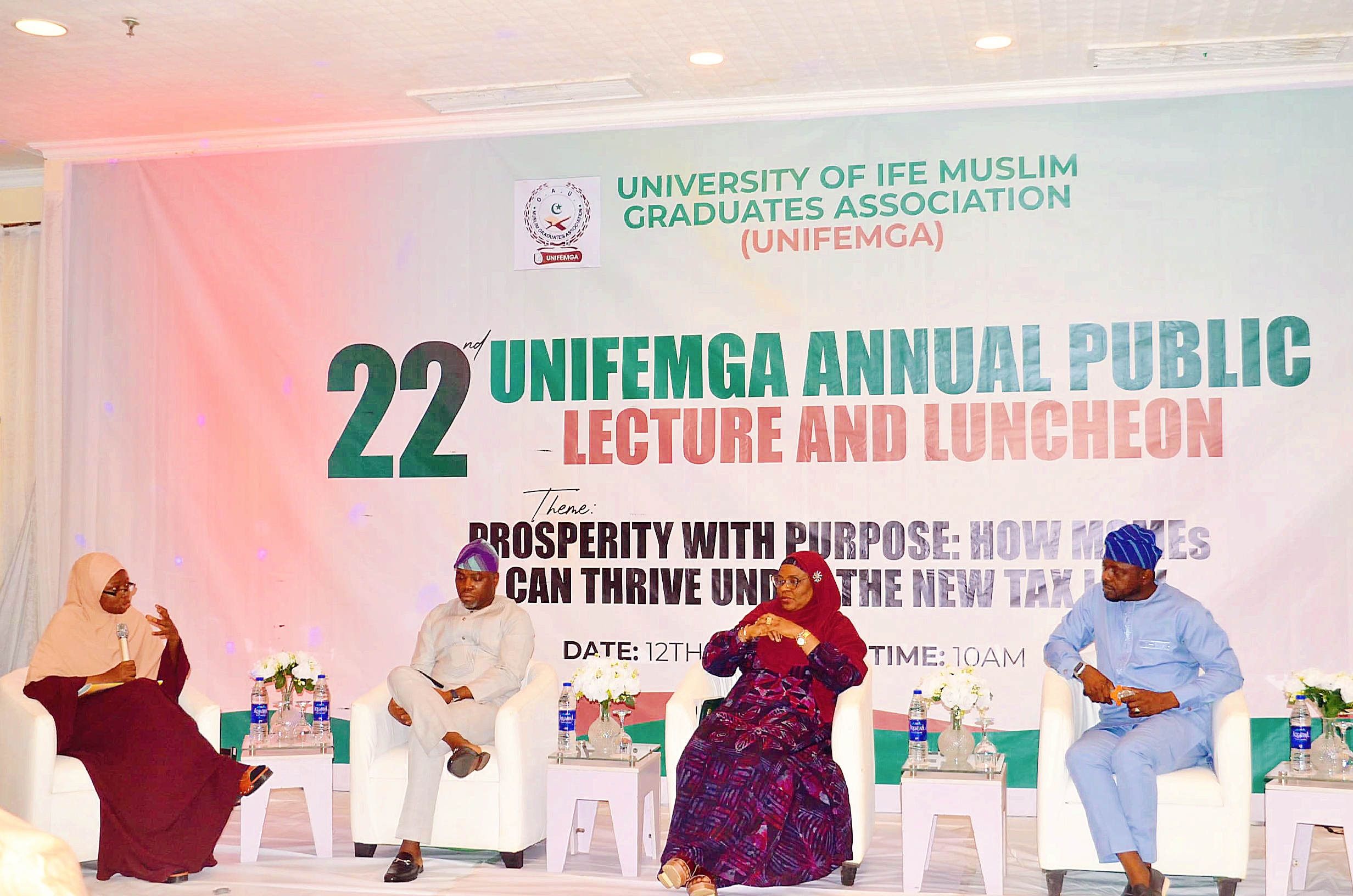
Stakeholders have identified Nigeria’s new tax law as a critical reform capable of driving growth among Micro, Small and Medium Enterprises (MSMEs), while easing the burden on low- and middle-income earners.
They made this known at the 22nd Annual Public Lecture and Luncheon of the Obafemi Awolowo University Muslim Graduates’ Association (UNIFEMGA), Lagos State Chapter, held on Sunday, April 12, 2026, at the Sheraton Hotel, Ikeja, Lagos.
Muslim News gathered that the event, themed “Prosperity with Purpose: How MSMEs Can Thrive Under the New Tax Law,” brought together alumni of the University of Ife from various sets, as well as representatives of UNIFEMGA chapters nationwide and in the diaspora.
Deloitte CEO urges structured economic growth and institutional development
Delivering the keynote address, Chief Executive Officer, Deloitte West Africa, Mr. Fatai Folarin, urged the Muslim Ummah to adopt a more deliberate and structured approach to economic development, stressing that sustainable prosperity comes from building strong institutions rather than pursuing individual gains.
He stated that MSMEs remain the backbone of Nigeria’s economy but must evolve beyond small-scale operations to achieve meaningful growth.
“We cannot continue to remain MSMEs as a permanent status. Small businesses should serve as a starting point for bigger, scalable enterprises,” he said.
Mr Folarin explained that the new tax reforms favour smaller businesses by shifting the burden to high-income earners, thereby creating opportunities for MSMEs to expand and thrive.
He emphasised that prosperity should reflect the ability to build institutions that outlive their founders. “For me, prosperity is about growing institutions and leaving them stronger than we met them,” he said.
The CEO also urged members of the Muslim community to move away from complaints and focus on productivity and collaboration. “We complain too much in the Muslim Ummah. We need to stop complaining and start building,” he added.

Lekki traces evolution of nigeria’s tax system
During the panel session, stakeholders provided further insights into the structure and benefits of the new tax regime.
Assistant Director and Head of Research, Lagos State Internal Revenue Service, Mrs Abimbola Abdurrahman Lekki explained that Nigeria’s tax system has evolved over decades without a comprehensive overhaul until now.
“We had tax laws as far back as 1961. It later moved to a tax decree in 2004 during the military era and then to the Personal Income Tax Act in 2011 before the current reforms,” she said.
She noted that the new framework now covers key aspects of citizens’ lives, including food, health, education, housing, and medical services.
“This is the first time we are having a comprehensive tax system that touches on virtually every aspect of Nigerians’ lives,” she said.
Mrs Lekki described the reforms as people-friendly, noting that they target high-income earners while allowing lower-income individuals to retain more disposable income.
“If you earn above ₦25 million annually, you will feel the impact more. If you earn less, you will have more disposable income,” she said, adding that the policy is largely pro-poor.
She highlighted that MSMEs can access multiple benefits if they adopt proper structures. “If you are willing to put structure in your business, you can access government incentives and grants,” she said.
She urged business owners to separate personal and business finances, ensure proper tax filing, and formalise their operations through incorporation. “You need to separate your business from yourself. That is how you can access opportunities and ensure continuity,” she added.
Mrs Lekki also encouraged entrepreneurs to think beyond subsistence and embrace expansion. “Think bigger so you can go bigger,” she said.
UNIFEMGA chairman calls for purpose-driven prosperity
In his welcome address, Chairman, UNIFEMGA Lagos State Chapter, Alhaji Saheed Olanrewaju Bashiru called on Muslim professionals to pursue prosperity rooted in purpose, integrity, and service to society.
“Prosperity without purpose is hollow, but prosperity anchored in Islamic values becomes a source of barakah,” he said.
He described MSMEs as vital to Nigeria’s economy, noting that they create jobs and drive innovation despite facing numerous challenges.
“Our task is to explore how MSMEs can position themselves not just to survive, but to prosper with clarity and integrity,” he added.
Alhaji Ebiti highlights importance of MSMEs in economic growth
On his part, Chairman, Board of Trustees, UNIFEMGA, Alhaji Rafiu Adisa Ebiti stated that the lecture series aims to educate and empower members on key national issues.
“This is the 22nd edition of our annual lecture in Lagos, focusing on taxation and its impact on small businesses,” he said.
He stressed that economic growth begins with small businesses. “If you need to grow, you have to start small. MSMEs are the business units to focus on,” he added.
Alhaji Ebiti described the new tax law as a progressive reform that promotes uniformity between federal and state tax systems.
Mr. Yusuf stresses tax compliance and business formalisation
Chairman of the Occasion and Chairman, Nigerian Economic Summit Group, Mr. Niyi Yusuf, emphasised the importance of tax compliance among Muslims and business owners.
“We all know that two things are certain in life: death and taxes. As Muslims, we must comply with the laws of Allah and the laws of the land,” he said.
He noted that businesses earning below ₦100 million annually are exempt from corporate income tax, while individuals earning below ₦800,000 per annum are not required to pay personal income tax.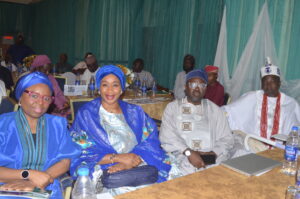
“If your business is properly incorporated, you can access grants and credit facilities to support growth,” he added.
Summit VC warns against misinformation on taxation
Vice-Chancellor, Summit University Offa, Professor Abiodun Musa Aibinu, warned against misinformation on taxation, describing it as a growing concern.
“Tax is compulsory, but there has been an infodemic where people share incorrect information. This event provides the correct perspective,” he said.
He stressed that tax compliance remains essential for national development. “If we do not pay tax, how do we expect government to provide infrastructure?” he queried.
He, however, urged authorities to ensure that taxation policies do not overburden citizens.
The event brought together Muslim professionals, entrepreneurs, and stakeholders, who reiterated the importance of knowledge, compliance, and structured growth in maximising the benefits of the new tax law for MSMEs.
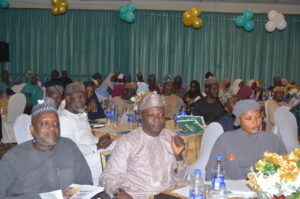
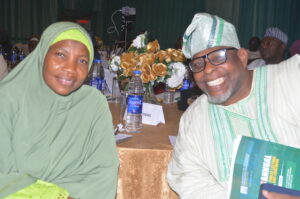
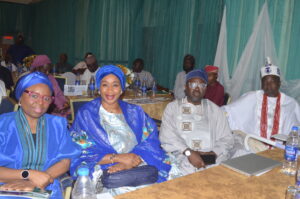
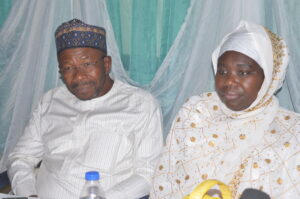
Other faces at the event


Sponsored
Sponsored

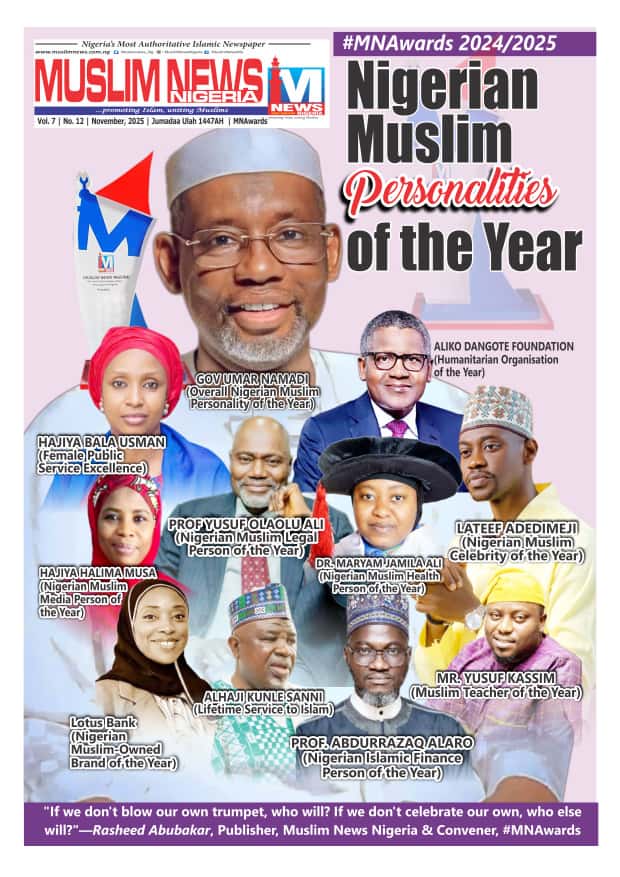
Nigerian Muslim Personalities of the Year 2024/2025
Global Muslim Personalities of the Year 2024/2025




Discover more from Muslim News Nigeria
Subscribe to get the latest posts sent to your email.