

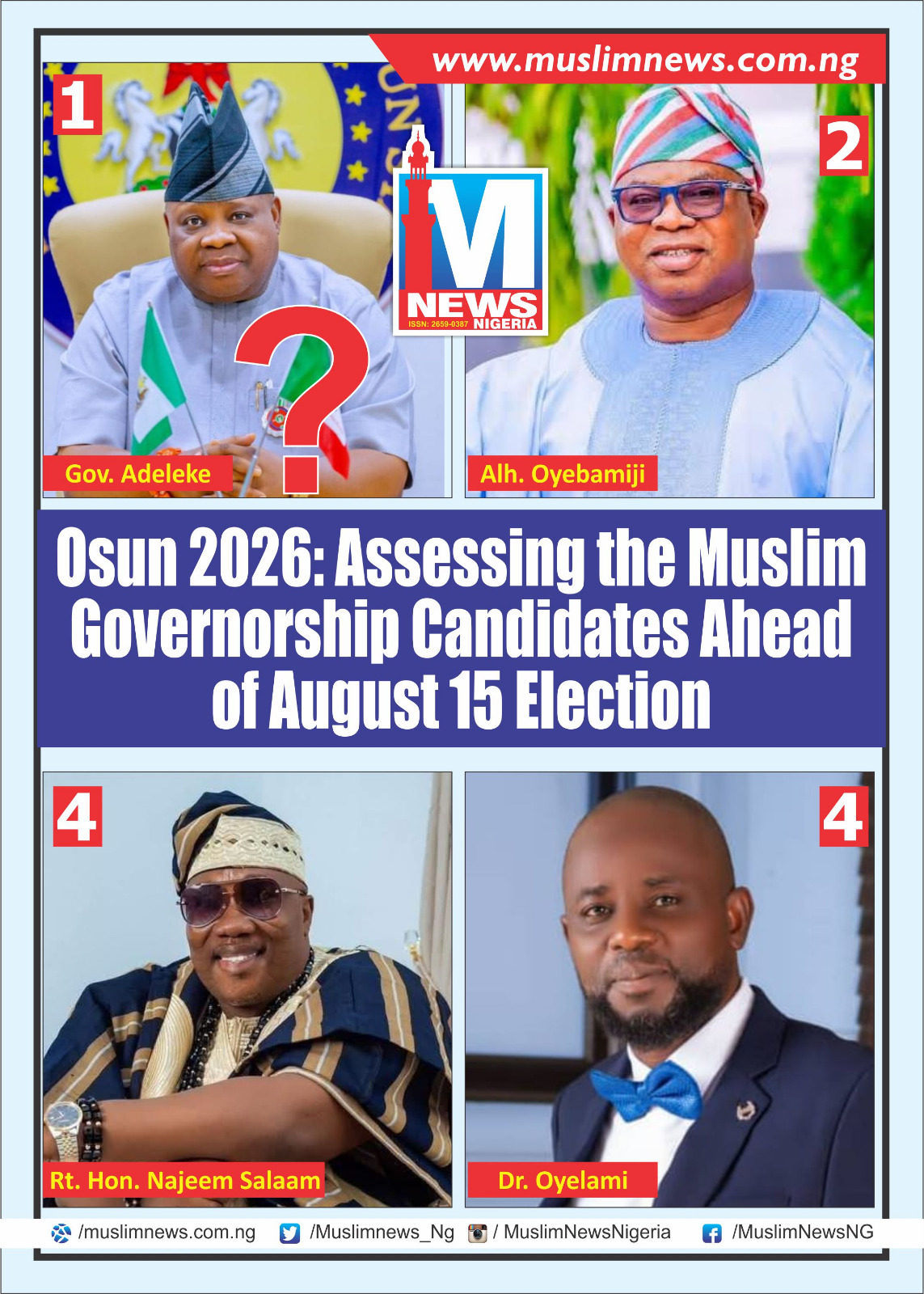
In every election, Nigerians make their choices based on a variety of considerations, including political ideology, performance, party affiliation, regional and ethnic attachments, personality and, perhaps most significantly, religion. These realities have long influenced electoral outcomes across the country and are expected to play a significant role in the Osun governorship race.
Muslim News Nigeria, committed to balanced and ethical journalism, examines the Osun governorship election from the perspective of Muslim voters by assessing the Muslim candidates’ experience, leadership credentials, governance records, public reputation and relationship with the Muslim community.
As Osun State heads for the governorship election scheduled for Saturday, August 15, 2026, Muslim voters once again find themselves at an important political crossroads.
For the first time in recent history, the ballot features four prominent Muslim candidates representing major political parties. Yet, beyond shared religious identity, each candidate brings a different political background, leadership philosophy, governance record and relationship with the Muslim community.
The election has become even more intriguing following the absence of the Peoples Democratic Party (PDP) and the Labour Party (LP) from the ballot. Governor Nurudeen Ademola Adeleke, who won the 2022 election on the PDP platform, is now seeking another term under the Accord Party after his defection.
The contest deserves close attention because Muslims are widely believed to constitute between about 65 – 70 percent of Osun State’s population, making Islam the largest religion in the state. Christians account for an estimated 20 to 25 percent, while adherents of traditional religion make up a small minority.
Gov Nurudeen Ademola Adeleke (Accord)
Governor Nurudeen Ademola Adeleke remains the man to beat. As the incumbent, he enters the race with the enormous advantages of incumbency, political visibility and an extensive grassroots network built over several years.
His administration has recorded achievements in road construction, education, healthcare and workers welfare, earning him considerable support across different parts of the state.
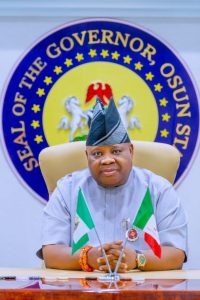
Within the Muslim community, however, his religious identity continues to generate controversy. Although he bears a Muslim name – Nurudeen. While he regularly attends annual Eid prayers and carefully selected Islamic gatherings, he is equally visible at church services, actively participates in the activities and openly identifies with Christianity. His participation in both faith communities has continued to raise questions among Muslims about where his primary religious identity actually lies.
To his credit, the Adeleke administration has introduced policies welcomed by many Muslims. These include the legal recognition of Islamic marriages through the Islamic and Traditional Marriage Law and the state’s decision to align with the Federal Government’s National Halal Economy Strategy. He has also maintained cordial relationships with Islamic scholars and traditional Muslim leaders during major religious celebrations.
Even so, major Muslim groups insist these gestures have not translated into equitable representation in government. The Muslim Rights Concern, the Concerned Muslim Stakeholders and the League of Alfas have repeatedly accused the administration of marginalising Muslims in political appointments, alleging an imbalance in monetary donations, cabinet composition and other strategic positions.
Despite these criticisms, Gov. Adeleke remains one of the strongest contenders. Whether his achievements outweigh the concerns raised by sections of the Muslim community will ultimately be decided by voters on election day.
Munirudeen Bola Oyebamiji AMBO (APC)
Asiwaju Munirudeen Bola Oyebamiji, widely known as AMBO, has emerged as Governor Adeleke’s strongest challenger.
A former Commissioner for Finance under former Governor Adegboyega Oyetola, former Managing Director/CEO of the state-owned investment company, Omoluabi Holdings Limited (formerly Osun State Investment Company Limited, OSICOL) under former Rauf Aregbesola, Oyebamiji is recognised for his experience in public finance, fiscal management and government administration.
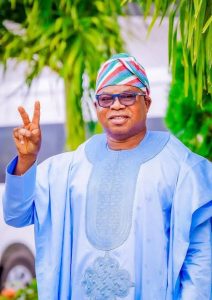
Among Muslim voters, his greatest strength lies in the absence of any controversy over his religious identity. He is widely regarded as a practising and committed Muslim who has maintained longstanding relationships with Islamic scholars, organisations and community leaders across Osun State.
His Islamic credentials received further endorsement when the President of the Osun State Muslim Community, Alhaji Mustapha Olawuyi, publicly described him as “a devout Muslim and the pride of Islam,” praising both his character and commitment to the faith.
Beyond the Muslim community, Oyebamiji has also earned commendation for promoting religious harmony. His donation of the Christian Association of Nigeria Secretariat in Ikire drew praise from Christian leaders, including former CAN President, Reverend Supo Ayokunle, who described the gesture as an example of peaceful coexistence.
With the backing of President Bola Ahmed Tinubu, endorsements from several Muslim organisations and the APC’s formidable political machinery, political observers believe Oyebamiji enters the election with strong political gravitas.
Rt. Hon. Najeem Folasayo Salaam (ADC)
Former two-time Speaker of the Osun State House of Assembly, Rt Honourable Najeem Folasayo Salaam (PhD) is the standard bearer of the African Democratic Congress after leaving the APC (with Aregbesola) to pursue his governorship ambition.
Rt. Hon. Salaam combines legislative experience with visible Islamic activism. During his tenure as Speaker, he sponsored and supported laws aimed at improving public health, security, urban development and economic empowerment.
His connection with the Muslim community extends beyond politics. As the Asiwaju Adinni of Ejigboland, Salaam has consistently participated in Islamic programmes, consulted respected scholars and supported faith based initiatives across the state.
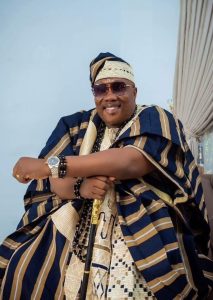
He has also maintained close relationships with Islamic youth organisations, especially the Muslim Students Society of Nigeria, where he has repeatedly encouraged young Muslims to embrace discipline, education and moral leadership.
At the same time, Salaam has consistently projected himself as a leader for all. His recognition by the Christian Association of Nigeria during his time as Speaker reflects his commitment to peaceful coexistence and mutual respect among people of different faiths.
Although the ADC lacks the political structure of the APC and the incumbency enjoyed by Accord, Salaam’s experience, credibility and religious engagement make him a candidate capable of attracting votes across party and religious divides.
Dr Saliu Rasaq Oyelami (PRP)
If humanitarian service is used as a measure of leadership, Dr Saliu Rasaq Oyelami stands out among the contestants.
Popularly known as Orisunlagba, the medical doctor has devoted much of his professional life to providing free healthcare through the Arole-Orisun Medical Mission and numerous outreach programmes across Osun State.
His outstanding humanitarian work earned him the Nigerian Muslim Health Person of the Year Award in 2020, conferred by Muslim News Nigeria.
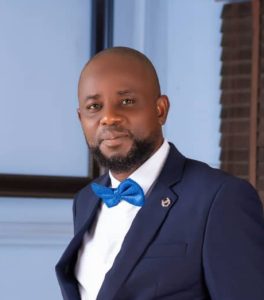
Beyond medicine, Oyelami has distinguished himself within the Islamic community, serving as National Vice President of the Islamic Medical Association of Nigeria while actively promoting faith-based healthcare initiatives and humanitarian interventions.
His campaign is built around healthcare reform, quality education, youth empowerment, agriculture, security and poverty reduction, with particular emphasis on improving the lives of ordinary citizens.
His major obstacle, however, is political rather than personal. Analysts believe the Peoples Redemption Party lacks the statewide structure needed to compete effectively against the dominant political parties.
Nevertheless, many believe his integrity, compassion and record of selfless service make him one of the most credible candidates in the race.
What Should Guide Muslim Voters?
The presence of several Muslim candidates offers Muslim voters a wider range of choices than in previous elections. However, Islam does not encourage support based solely on religious identity.
The Qur’an and the Sunnah emphasise justice, trustworthiness, competence and accountability in leadership. These qualities should remain the primary considerations in choosing those entrusted with public office.
Muslim voters should therefore examine each candidate’s record, competence, commitment to justice, respect for religious freedom, party manifesto, economic blueprint, educational vision, healthcare agenda and ability to improve the welfare of all residents.
The Verdict Belongs to Electorates
The August 15 governorship election is shaping up to be one of the most competitive poll in Osun’s political history.
Governor Adeleke seeks another mandate on the strength of incumbency. AMBO hopes to leverage the APC’s formidable structure and broad endorsements.
Rt. Hon. Salaam offers legislative experience backed by visible grassroots activism, while Dr Oyelami presents a compelling record of humanitarian service.
Ultimately, the choice rests with the good people of Osun State especially the Muslim electorate, whose votes will determine not only who occupies Government House, but also, the direction of governance for the next four years.
Sponsored

Nigerian Muslim Personalities of the Year 2024/2025
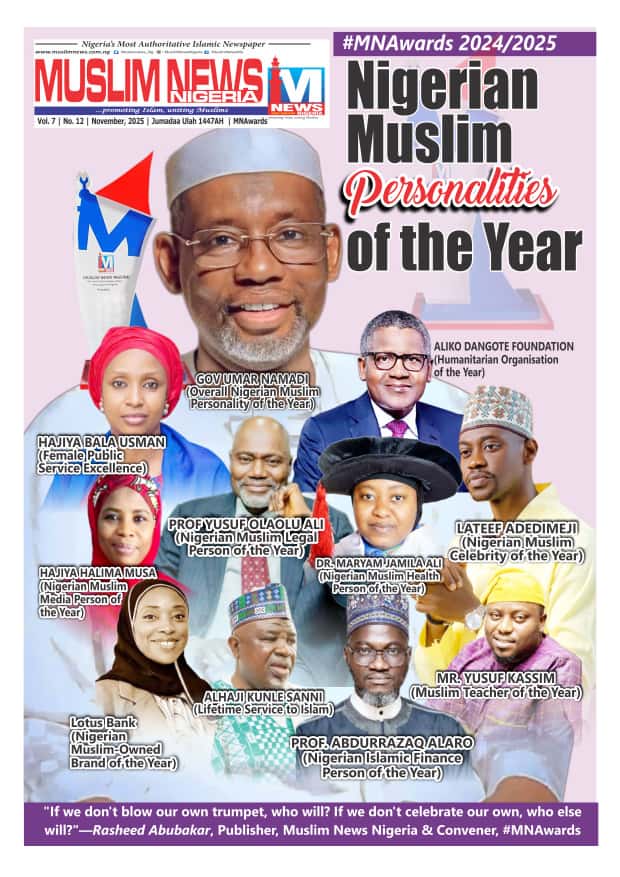
Global Muslim Personalities of the Year 2024/2025