

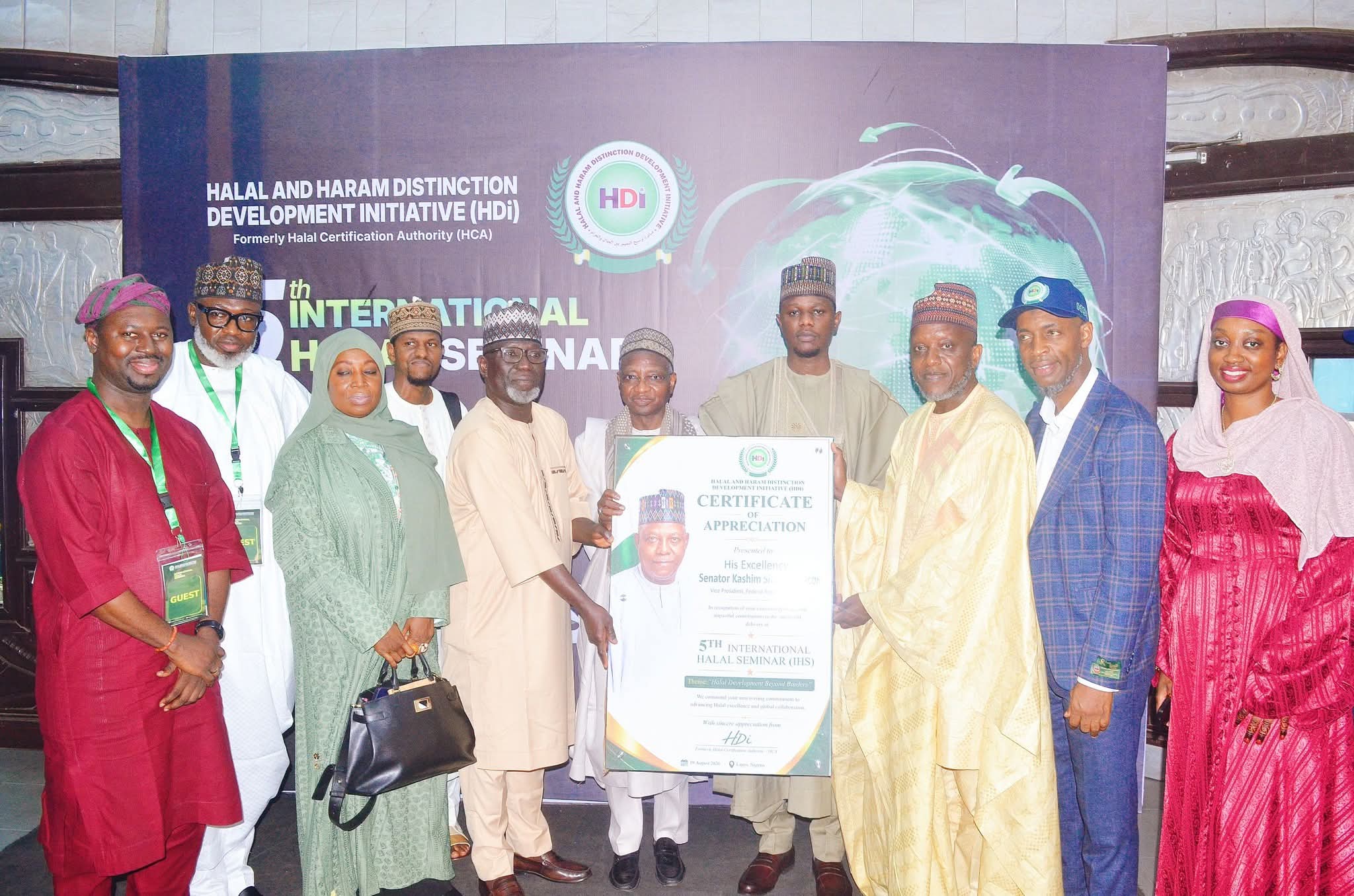
* At HDI 5th International Halal Seminar in Lagos
* Group backs FG’s drive to position Nigeria in global Halal market
Vice President Senator Kashim Shettima has called for concerted efforts to transform Nigeria’s more than $100 billion domestic Halal market into a stronger source of exports, investment, jobs and foreign exchange, saying the country currently accounts for less than one per cent of the global Halal market despite its position as the world’s seventh largest Halal economy.
Sen. Shettima said Nigeria had the population, natural resources and growing consumer demand required to become a major player in the global Halal economy, but needed to strengthen production, certification, financing, infrastructure and access to international markets to unlock the sector’s full potential.
The Vice President stated this through his Special Assistant on Export Expansion, Mr Aliyu Bunu Sheriff, who represented him at the 5th International Halal Seminar organised by the Halal and Haram Distinction Development Initiative (HDI) on Wednesday, August 19, 2026, at NECA House, Alausa, Ikeja, Lagos.
The seminar, themed “Halal Development Beyond Borders,” brought together government officials, financial institutions, business leaders, academics, Halal experts, certification bodies and other stakeholders from Nigeria and beyond to examine opportunities for expanding Nigeria’s participation in the global Halal economy.
Nigeria has market but lacks export share
Mr. Sheriff said Nigeria already possessed a significant domestic Halal market because of its large population, abundant natural resources and growing consumer demand, but much of the country’s Halal economic activity remained informal and concentrated within the domestic market.
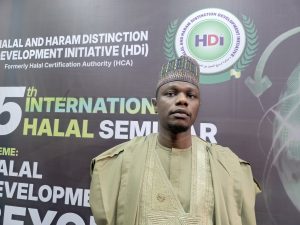
He said the challenge was therefore not a lack of resources or consumers but Nigeria’s limited capacity to convert its domestic strength into internationally competitive production and exports.
“Most of our activities are informal. So now we’re trying to see how we can capture a greater share of this burgeoning market,” he said.
According to him, Nigeria’s less than one per cent share of the global Halal market was inadequate compared with the size of its domestic market and represented a major opportunity to increase foreign exchange earnings, create jobs and diversify the economy.
AfCFTA offers export opportunity
Mr. Sheriff said Nigeria could leverage the African Continental Free Trade Area, AfCFTA, to expand its presence in the African Halal market and position itself as a gateway to markets within and beyond the continent.
He said the government was working under the National Halal Economy Strategy to connect Nigerian producers with international buyers while strengthening the financing, certification, production and market access systems required to compete globally.
“We commend the HDI for these kinds of platforms. It is a sensitisation platform telling them what the government is doing and how we can improve and develop the strategy in line with feedback from the key stakeholders in the sector,” he said.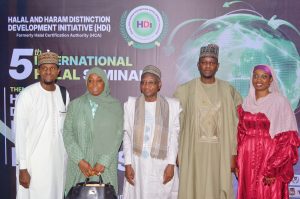
Mr. Sheriff identified Islamic finance, Halal compliance, market access and capacity development as key areas of the National Halal Economy Strategy, noting that many Nigerian businesses already had products but lacked the knowledge and connections required to reach international buyers.
“Some people have the idea, they have the products, but they don’t know how to get it to the market,” he said, adding that the government wanted to connect such businesses with buyers in the Gulf Cooperation Council and other international markets.
FG seeks finance, industrial clusters for SMEs
The presidential aide also called for affordable financing and organised Halal industrial clusters to enable SMEs to increase production, meet international standards and compete in the global market.
“The SMEs need cheap capital, either grants or even interest free loans,” he said, adding that the government would engage international organisations and development partners to attract grants and foreign direct investment into Nigeria’s Halal economy.
He said about 13 clusters had been identified as part of the implementation process for the National Halal Economy Strategy, while stressing the need for logistics corridors linking industrial areas with ports and airports.
Mr. Sheriff urged Nigerians to look beyond food when considering opportunities in the Halal economy, identifying Islamic finance, agriculture, livestock, fashion, tourism and aviation as sectors with significant potential.
He said Nigeria could also leverage its cultural heritage and traditional institutions to develop Muslim friendly tourism and travel services.
“There are a lot of things that need to be done, but we have to take it step by step and develop it gradually and in a structured manner,” he said.
Oreagba backs FG’s drive to position Nigeria in global Halal market
The Chairman of HDI, Professor Ibrahim Oreagba, said the organisation was established to increase awareness about Halal, address misconceptions and strengthen Nigeria’s participation in the global Halal economy.
In his opening remarks, Prof. Oreagba described the seminar as an important milestone in the development of Nigeria’s Halal ecosystem and commended the Federal Government for launching the National Halal Economy Strategy on February 5, 2026.
He also commended Shettima for driving the initiative through the establishment of the National Halal Economy Strategy Implementation Committee, saying the strategy could unlock opportunities in the trillion dollar global Halal market.
Prof. Oreagba used the occasion to announce the strategic rebranding of the Halal Certification Authority (HCA) as the Halal and Haram Distinction Development Initiative (HDI), while marking the organisation’s 10th year of operation as a Halal certifying body.
He disclosed that HDI had certified more than 130 companies and over 600 products across Nigeria and beyond, covering food and beverages, packaging, pharmaceuticals, cosmetics, logistics, tourism and other sectors.
The Chairman of HDI said changing global supply chains and increasing consumer demand for transparency required Halal certification to evolve through technology, digitalisation, collaboration and greater alignment with international standards.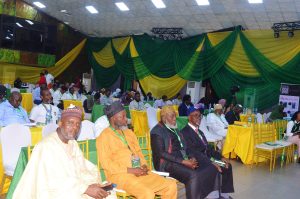
He said HDI was therefore showcasing its digitalisation programme to develop smarter Halal certification and training systems.
Prof. Oreagba stressed that Halal was not exclusively a religious matter but also involved hygiene, wholesomeness, safety and quality.
“Halal is not only about religion. It is also about hygiene. It is also about wholesomeness of food materials. So it is a double guarantee of quality,” he said.
He cited Brazil and India as examples of non Muslim countries that had developed strong Halal meat export industries, saying Nigeria could achieve similar results by increasing consumer awareness and encouraging manufacturers and service providers to obtain Halal certification.
He also stressed the importance of education in developing the sector.
“We must educate the people first of all, let them understand what is Halal,” he said, urging stakeholders to understand Halal requirements and the standard operating procedures for producing Halal goods and services.
Summit VC urges SMEs to enter Halal value chain
The programme featured product exhibitions, partner presentations and a panel discussion featuring the Vice Chancellor and Chief Executive Officer of Summit University, Offa, Professor Abiodun Musa Aibinu; the Director of the Halal Products Industry National Committee for Sharia Economy and Finance in Indonesia, Ir H. Putu Rahwidhiyasa; and the Secretary General of the Standards and Metrology Institute for Islamic Countries (OIC SMIIC), among other local and international stakeholders.
Prof. Aibinu urged Nigerian SMEs to explore opportunities across the Halal value chain rather than restrict their activities to food production.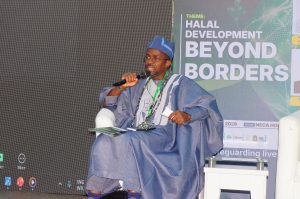
He identified agriculture, tourism, education, finance, technology and digital services as areas where Nigerian owned businesses could participate, saying Halal certification could also help local enterprises access markets across Africa and beyond.
“What HDI is presently doing is more or less like diversifying our economy and making these opportunities available to Nigerians and Nigerian owned SMEs,” he said.
Prof. Aibinu also called for wider Halal education from primary to tertiary levels, including the use of indigenous languages to communicate Halal concepts and the use of social media and multimedia content to engage Generation Z and correct misconceptions about the Halal economy.
BOI, Rite Foods support Halal development
The Special Guest of the Occasion and Chairman of the Bank of Industry, Dr Mansur Mukhtar, commended HDI for creating a platform where stakeholders could exchange ideas on developing Nigeria’s Halal economy and expanding opportunities for Halal products and services.
Dr. Mukhtar said the seminar provided an opportunity for stakeholders to examine how Nigerian businesses could develop Halal products for export while building the capacity required to participate effectively in the sector.
One of the partners at the seminar, Rite Foods Limited, also highlighted the importance of Halal certification in strengthening consumer confidence and demonstrating compliance with recognised standards.
The company’s Compliance and Ethics Manager, Mrs Olutope Adetona, said certification reassures consumers that products meet the required Halal standards.
She said companies must follow appropriate production processes and use the right materials throughout their operations to meet Halal requirements, describing certification as an important milestone for businesses seeking to demonstrate compliance and access wider market opportunities.
The seminar ultimately underscored the need for Nigeria to move from having a large domestic Halal consumer base to building a competitive export oriented ecosystem supported by certification, affordable finance, industrial infrastructure, technology, skills and international market access.
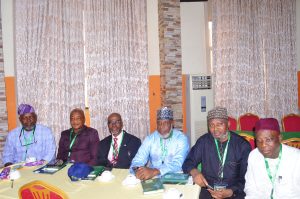
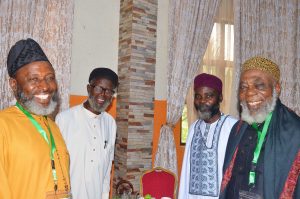
Some of the notable personalities at the event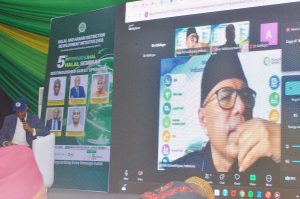
Sponsored
Sponsored

Nigerian Muslim Personalities of the Year 2024/2025
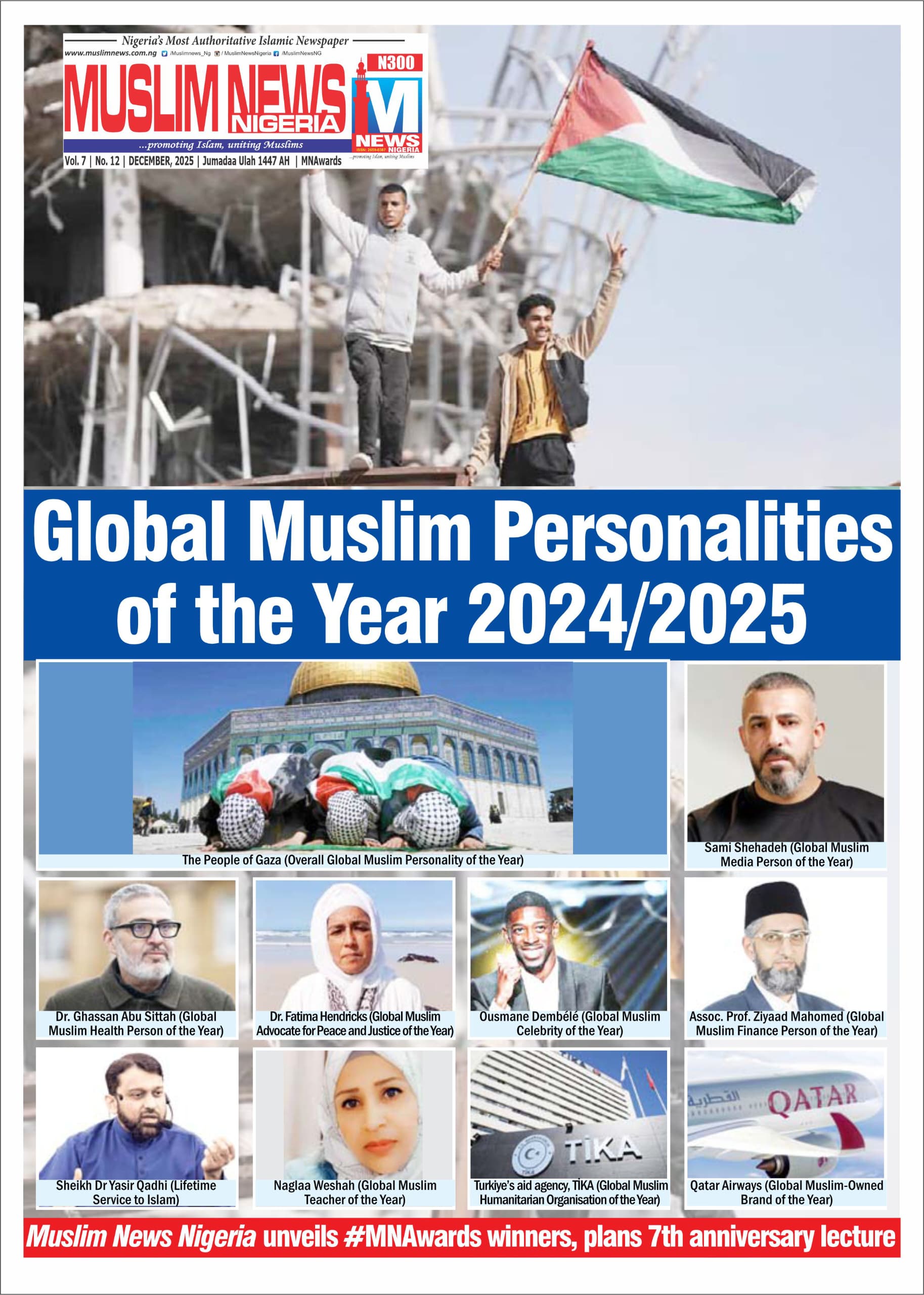
Global Muslim Personalities of the Year 2024/2025



Discover more from Muslim News Nigeria
Subscribe to get the latest posts sent to your email.