

By KEWULERE Adam Olasunkanmi
Reflection should not just be about celebration as Nigeria marks 66 years of independence. The question is not how long we have been a nation, but how well we are forming this nation.
Education is at the heart of this discussion and, more significantly, the type of values that are generated within this process.
Islamic education has been playing its part in the moral and intellectual life of Nigeria for decades. It has formed character, encouraged discipline and reinforced responsibility towards God and society, from the traditional Qur’ānic schools to modern ones. These are not insignificant contributions; they are the building blocks of a solid country.
However, the situation has evolved.
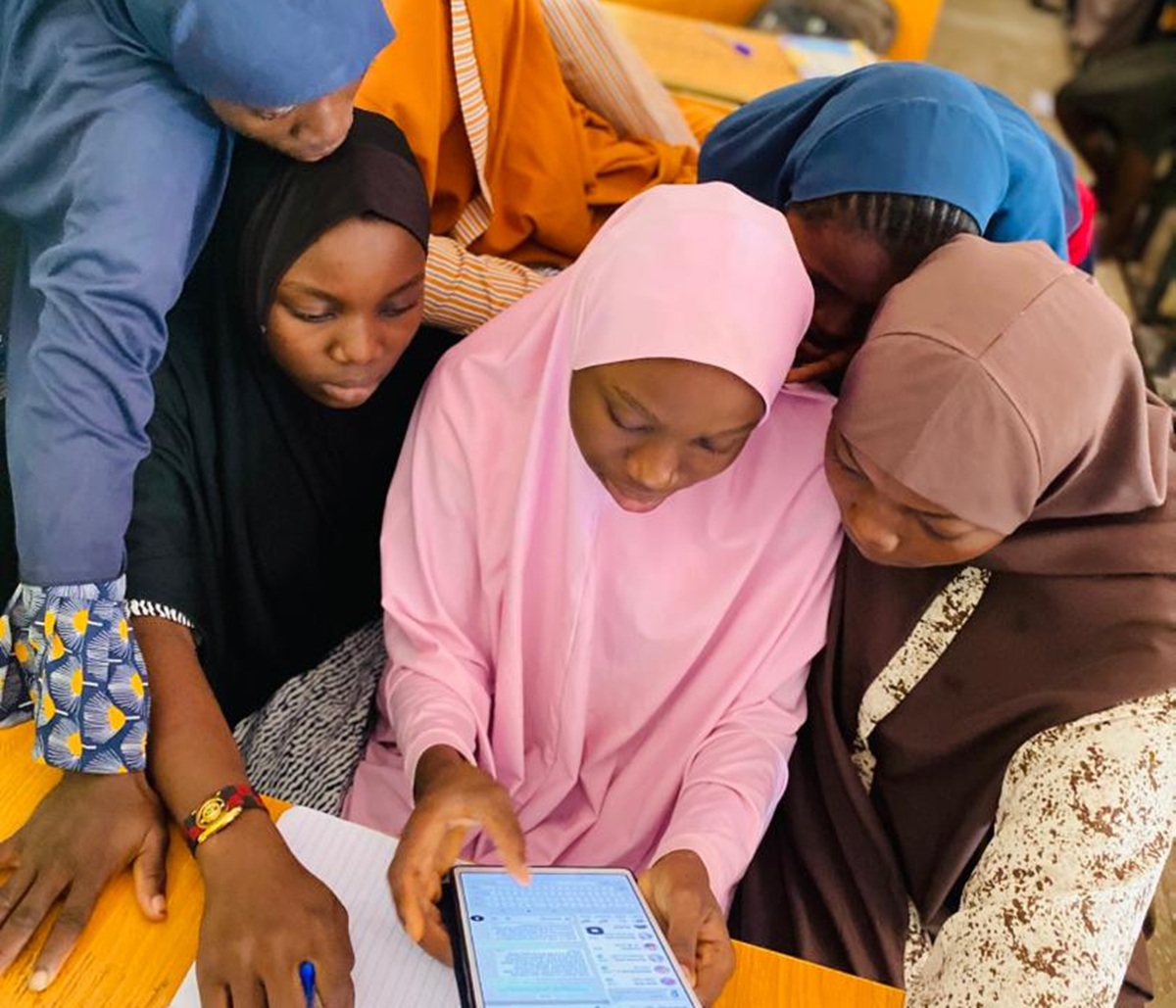
Nigeria is not just a physical society; it is also a digital one today. Young people learn, engage and form their opinions online. Religious knowledge is no longer limited to the confines of a mosque or classroom but can also be accessed through YouTube, TikTok and other platforms where authority may not be obvious and credibility can easily be questioned.
This shift creates both opportunity and risk.
On the one hand, access to Islamic learning has grown to an unprecedented extent. On the other, misinformation, shallow interpretations and performative religiosity are prevalent. In such a setting, the question is not whether people are learning, but what they are learning and from whom.
Nigeria is not only facing political and economic problems; it is also grappling with social problems, insecurity and corruption at 66. These challenges point to a deeper crisis of values, which is now exacerbated in the digital world, where influence spreads quickly and responsibility can easily be overlooked.
This is why Islamic education must evolve
Moral education is no longer sufficient without being connected to the social realities that influence our daily lives. Islamic education needs to directly engage with the digital world. It should equip learners not only to know and practise their faith but also to do so responsibly in online environments.
This implies integrating ethical formation with digital literacy. Students should be taught how to question the information they encounter online, verify information and participate responsibly. They need to understand that their online behaviour, including what they post, share and like, has moral consequences.
Such an approach goes beyond certificate education to character education.
There is also a need to rethink the curriculum. In addition to learning the Qur’ān and Hadith, there should be space for students to develop critical media awareness, ethical technology use and practical skills to equip them for a changing world. This is not an abandonment of the traditional method; rather, it is an extension of it.
Islamic education does not have to choose between tradition and technology. The challenge is to preserve the values, knowledge and moral foundations of Islamic education while ensuring that learners are prepared to navigate the digital environment responsibly.
Preparing for Nigeria’s future
The future will rely not only on policies or infrastructure but also on people who are ethically rooted and digitally conscious as Nigeria crosses the 66-year mark.
It is possible to mould such people through Islamic education. To do this, however, Islamic education needs to engage with the realities of our time.
Nation-building in the digital age demands much more than access to knowledge. It requires direction, accountability and values that are robust enough to withstand the pressures of rapid change in the world.
Interestingly, Islamic education can do just that if it is appropriately reimagined.
As Nigeria moves forward, the goal should not simply be to produce a more connected generation, but one that is also morally grounded, critically aware and responsible in how it uses technology.
May Nigeria forge ahead with wisdom, integrity and a renewed commitment to building not just a connected nation, but a conscientious one.
*KEWULERE is a graduate student in the Faculty of Islamic Studies (Digital Islam), Universitas Islam Internasional Indonesia (UIII).
Sponsored
Sponsored

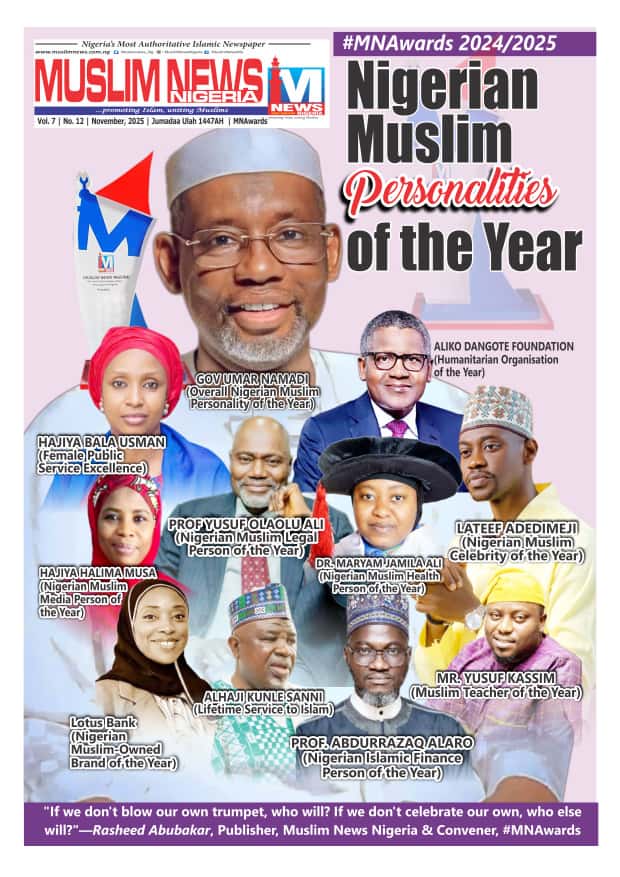
Nigerian Muslim Personalities of the Year 2024/2025
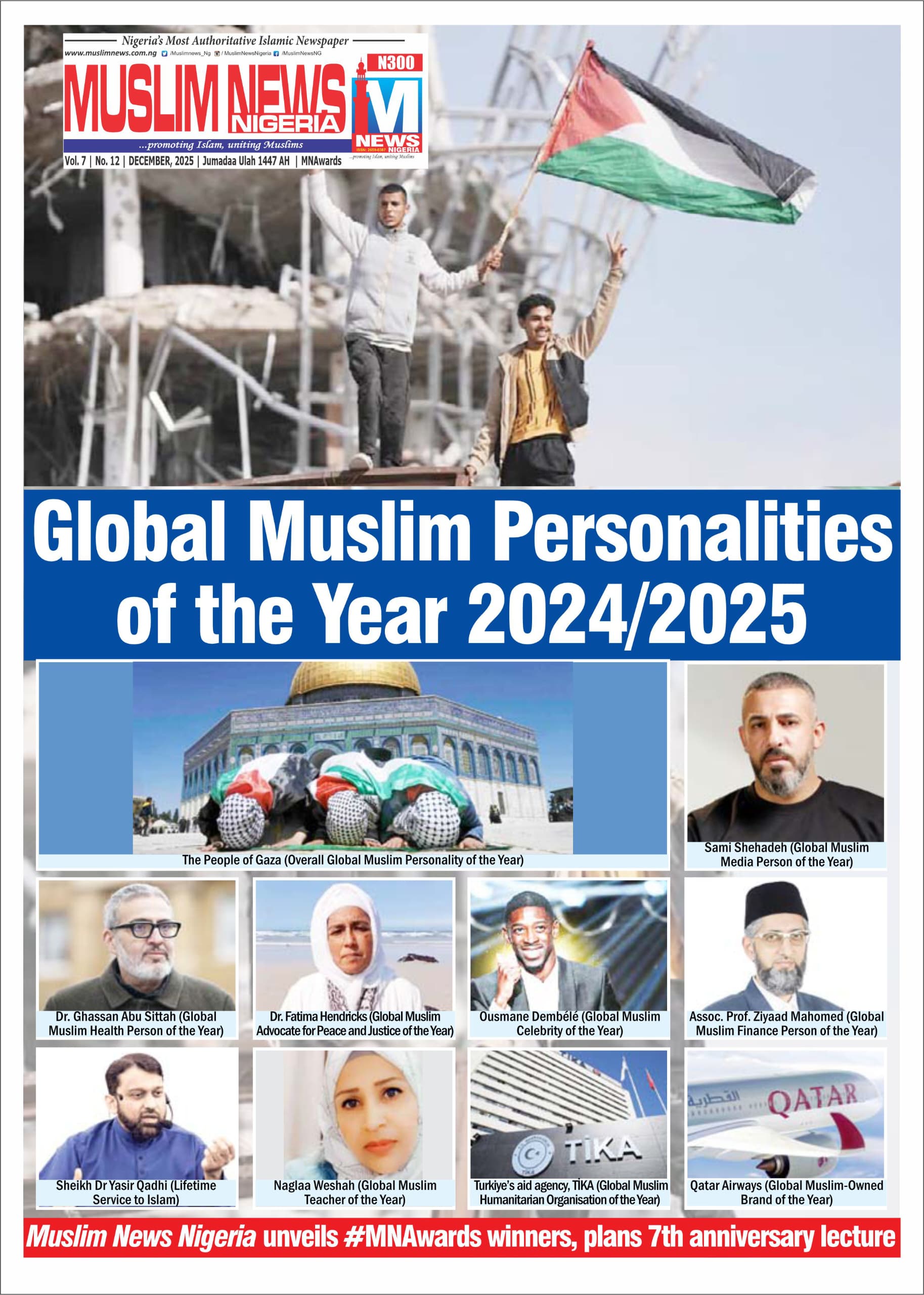
Global Muslim Personalities of the Year 2024/2025



Discover more from Muslim News Nigeria
Subscribe to get the latest posts sent to your email.