

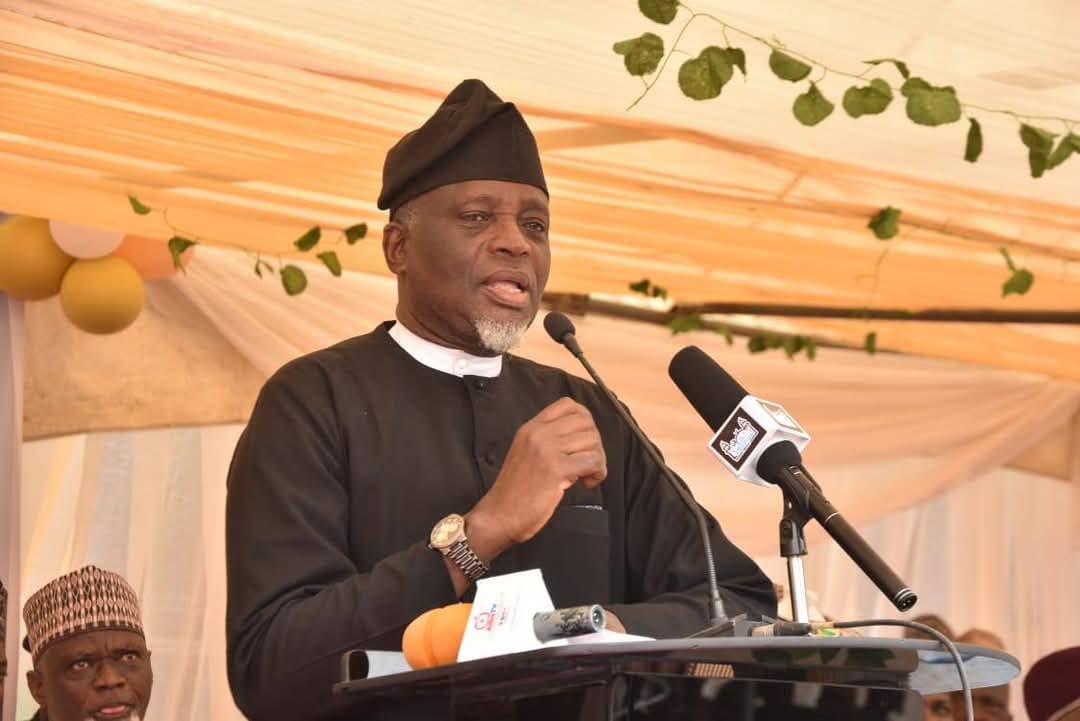
As if Nigeria was programmed for some drama of antithesis, Prof. Is-haq Oloyede’s exit from JAMB with an unprecedented record of integrity coincided with the period the worst of the downside manifested. Fake agencies of the Federal Government…
Oloyede’s inspiring exit from the Joint Admissions and Matriculation Board (JAMB) provides Nigeria with an opportunity to reflect on the qualities expected of those entrusted with public responsibilities.
Oloyede’s appeal goes beyond the office he occupied. What has earned him recognition from different sections of society is the combination of competence, integrity, discipline, accountability, diligence and a strong sense of responsibility that he brought to public service. These are qualities that make citizens comfortable entrusting public institutions to those who possess them.
Nigeria needs more people with such qualities in its public institutions.
Importantly, such people are not difficult to find among Nigerian Muslims. There is a large pool of highly qualified and experienced Muslims across the country who have distinguished themselves in academia, medicine, law, engineering, finance, administration, technology, business and other fields. Many possess the professional competence and personal integrity required to manage sensitive public responsibilities.
The erroneous impression that there are not enough qualified Muslims to occupy important government positions must therefore be challenged. The issue is not a shortage of capable Muslim professionals. The more pertinent question is whether they are being identified, considered and given sufficient opportunities to serve at the highest levels of government.
At the highest levels of government, Nigeria’s history itself provides examples of Muslims who have excelled in public service. Beyond Prof. Oloyede, figures such as former Governor of the Central Bank of Nigeria (CBN) and the reigning Emir of Kano, H.E. Sanusi Lamido Sanusi; Dean of the Faculty of Social Sciences, University of Lagos, Prof. Lai Olurode; former Chairman of the Independent National Electoral Commission (INEC), Professor Attahiru Jega; and former Rector of Lagos State Polytechnic, Dr Oluremi Nurudeen Olaleye, among others, have demonstrated that faith does not diminish the capacity for excellence in public office.
Several other Muslim academics, diplomats, administrators and professionals have also distinguished themselves through exemplary leadership and public service.
The point is not that Muslims should be appointed simply because they are Muslims. Rather, Nigeria should recognise that competence and character exist across its religious communities and that qualified Muslims should not be excluded, consciously or unconsciously, from opportunities to serve.
There have been occasions when qualified Muslims were overlooked for appointments, prompting protests and public concerns from sections of the Muslim community. Such concerns should not be dismissed and deserve careful examination by governments. A system that is transparent, merit-based and fair should be able to demonstrate why qualified candidates were selected or not selected.
Muslims in the Southwest, for instance, have experienced what they perceive as marginalisation, particularly in appointments under the current administration, despite their significant support for the governorship candidates of their respective states.
They are also raising similar concerns under an administration led by a Muslim-Muslim presidential ticket. The expectation of many Muslims was that President Bola Tinubu would not only recognise competent Muslims but also ensure that religious identity would not become a barrier to their participation in national affairs. However, a Muslim-Muslim ticket does not automatically guarantee fair representation, and concerns have been raised about the alleged marginalisation of qualified Muslims in some federal appointments.
Evidently, the qualities associated with Oloyede also have a clear moral foundation in Islam. The religion regards responsibility as an amanah (trust) and teaches that those entrusted with authority must discharge it with justice, honesty and accountability. The Qur’an commands believers to return trusts to whom they are due and to judge with justice.
This principle gives public service a meaning that goes beyond occupying an office. A position of authority is a responsibility before the people and, ultimately, before Allah. Competence is therefore important because an amanah should be entrusted to those capable of carrying it, while integrity is essential because the person entrusted with it must be accountable for how it is discharged.
It is also important to correct a common misunderstanding about Islamic teachings on leadership. Islam does not prohibit a qualified person from seeking public responsibility where there is a genuine intention to serve in a particular office that is within his expertise and where he is capable of delivering justice. Although it is better to be called to serve, there are circumstances in which a person may offer himself for a position because he possesses the competence required to discharge the responsibility.
Prophet Yusuf (Joseph), peace be upon him, offered himself for a position of responsibility when he said, as recorded in the Qur’an in Surah Yusuf, that he was knowledgeable and trustworthy. In the context of the story, Yusuf sought responsibility because he had the expertise to manage the country’s finances and food resources during the impending years of famine and believed he could discharge that responsibility effectively. The lesson is that seeking responsibility for service and the public good is different from pursuing power for personal status or gain.
This is why Muslim News Nigeria believes the Muslim community must rethink its relationship with politics and governance. Muslims cannot remain on the margins of political activities and then complain when they are inadequately represented in government. Politics is one of the principal means through which public policies are formulated, appointments are influenced and national resources are allocated.
Some Muslims regard politics as a dirty game, while sectarian and regional divisions, financial barriers, inadequate political education and disappointment with some politicians have also discouraged participation. Another erroneous belief that democracy is inherently haram (unlawful) has kept some decent and qualified Muslims away from legitimate political engagement. This requires continuous education by scholars, professionals and community leaders on responsible civic participation and the Islamic principles that govern public affairs.
Muslims must, therefore, become more involved in politics, from the grassroots to the national level. Participation should not begin only when elections are approaching. Qualified Muslims should be active in community development, political parties, local government, policymaking, elections, civil society and other legitimate spaces where decisions affecting society are made.
If Muslims are absent from these spaces, they cannot expect government opportunities to simply find their way to them. Participation does not require Muslims to compromise their faith or principles. It requires qualified and principled Muslims to become active while insisting on justice, accountability and good governance.
Muslim professionals must, therefore, be encouraged to see public service as part of their responsibility to the country. Those with the qualifications and experience should not be afraid to participate. Those who possess the ability to contribute to governance should make themselves available. And those already in political spaces must create room for competent people whose primary qualification is their ability to serve.
The responsibility, however, does not rest on Muslims alone. The Federal Government and state governments must broaden their search for talent when making appointments to public institutions. Competence, character, experience and capacity to deliver should carry greater weight than political connections and familiarity.
The next administration should also consider how Nigeria can continue to benefit from the experience of tested administrators such as Oloyede. Completing an assignment at JAMB should not mean that the country has exhausted the usefulness of a professional of his experience.
If Prof. Oloyede can be discovered without being a politician, and he isn’t likely to become one now, and successfully manage an institution as complex and nationally important as JAMB, there is no reason to assume that his capacity is limited to that portfolio. The next administration should explore opportunities to deploy his expertise in a higher or broader national responsibility in the national interest.
This is not about Prof. Oloyede alone. His example should encourage the Muslim community to look beyond one individual and identify more qualified Muslims who combine competence, character and experience, and who can contribute meaningfully to public service. For many Muslims, the concern is not about seeking appointments simply because of religious identity, but about ensuring that qualified Muslims are given a fair opportunity to serve. The present administration has demonstrated that religious identity is not a barrier to occupying the highest political office; the concern is whether that same principle is reflected fairly in appointments and opportunities across government.
The Muslim community has such people. They are in our universities, hospitals, professional bodies, businesses, civil service and communities. They include highly accomplished academics, doctors, lawyers, engineers, administrators, entrepreneurs and professionals. What is required is a political and administrative culture willing to recognise them, consider them on merit and give them the opportunity to serve.
For the Muslim community, the lesson is equally clear. It is not enough to produce competent professionals and celebrate their achievements within Muslim circles. Muslims must prepare their best minds for public service, educate them on responsible political participation and encourage them to serve at every level, from the grassroots to the highest offices of the federation.
By Rasheed Abubakar
Sponsored

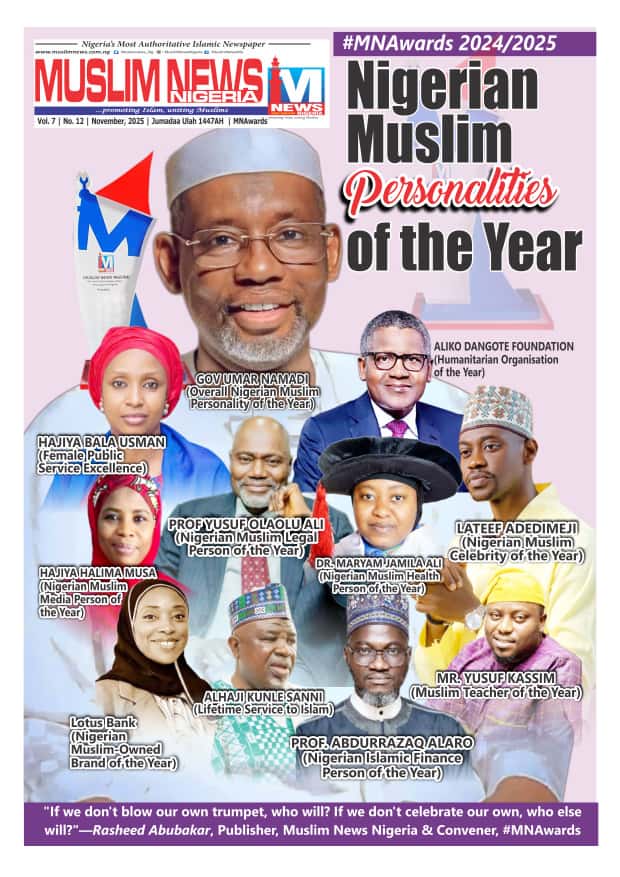
Nigerian Muslim Personalities of the Year 2024/2025
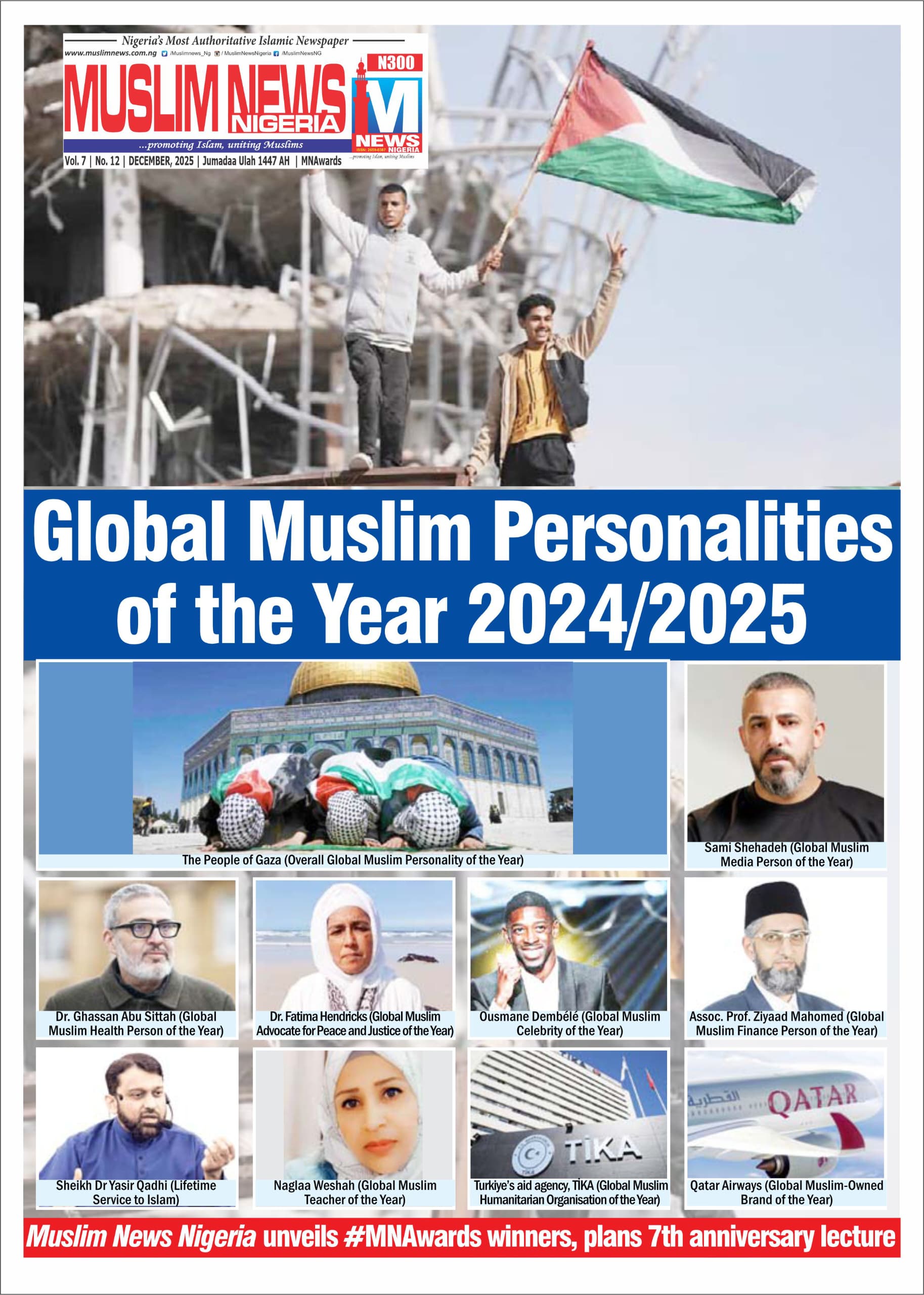
Global Muslim Personalities of the Year 2024/2025



Discover more from Muslim News Nigeria
Subscribe to get the latest posts sent to your email.